
Delhi Govt Releases ₹20 Crore for Cow Welfare, Plans 10 ‘Modern’ Gaushalas
The Delhi government on Monday released over ₹20 crore for cow welfare and announced plans to develop 10 ‘modern’ gaushalas , even as experts note that sustained funding will be crucial to address the scale of the challenge in Delhi.
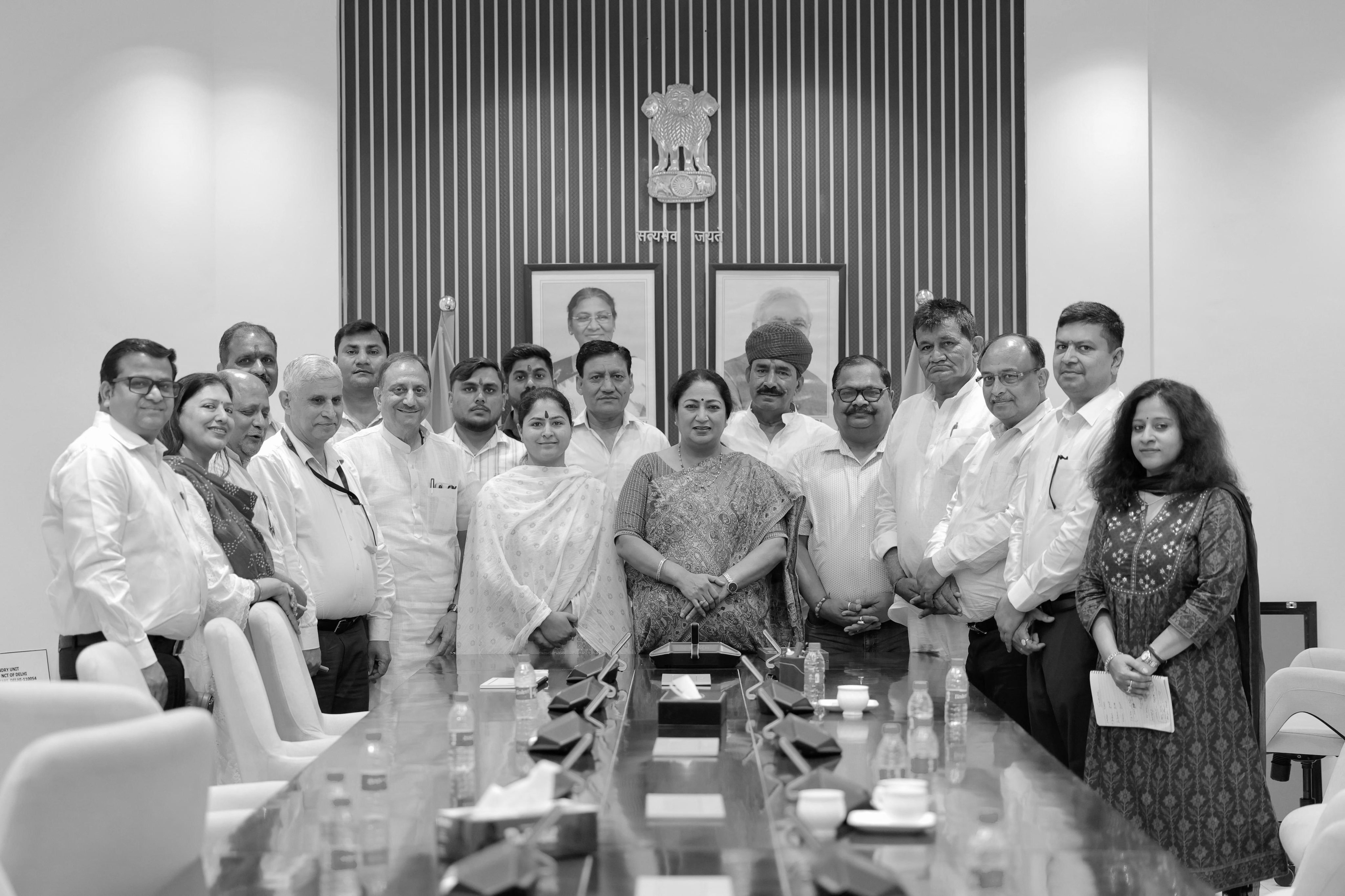
Chief Minister Rekha Gupta made the announcement at an event held at her official residence, Jan Seva Sadan, where she also handed over lease extension certificates to gaushala managers.
According to an official statement, a total of ₹20.26 crore has been sanctioned, including ₹7.64 crore to clear pending liabilities from June 2024 to March 2025 and ₹12.62 crore towards fodder expenses from April 2025 to January 2026. The funds will also support the installation of biogas infrastructure , aimed at promoting clean energy generation using cow dung.
Gupta said the first phase will focus on developing 10 modern gaushalas to ensure better protection and welfare of stray cattle. The broader plan includes upgrading around 40 shelters with improved sanitation and energy systems.
However, officials and sector observers indicate that the allocation is largely for operational support , such as fodder and dues, while long-term improvements like infrastructure upgrades and expansion will require significantly higher investment. Maintaining cattle involves recurring expenses on feed, healthcare, and staffing, which can run into substantial annual costs given the large number of stray animals in the capital.
During the event, the Chief Minister also distributed orders related to fodder payments, clearance of dues, and renewal of licences and lease agreements to representatives of four gaushalas in Sultanpur Dabas, Rewla Khanpur, Harewali, and Surhera . While the initiative was welcomed by beneficiaries, critics argued that such schemes involve substantial public expenditure that could be diverted to other developmental priorities. Supporters, however, defended the programme, saying that fodder support and timely payments are essential to sustain gaushalas , protect stray and domestic cattle, and preserve agricultural livelihoods, highlighting the social and economic necessity of targeted assistance in rural and semi-urban areas.
Gupta emphasised that cow welfare efforts cannot rely solely on government funding and called for community participation to ensure sustainable management of gaushalas.