
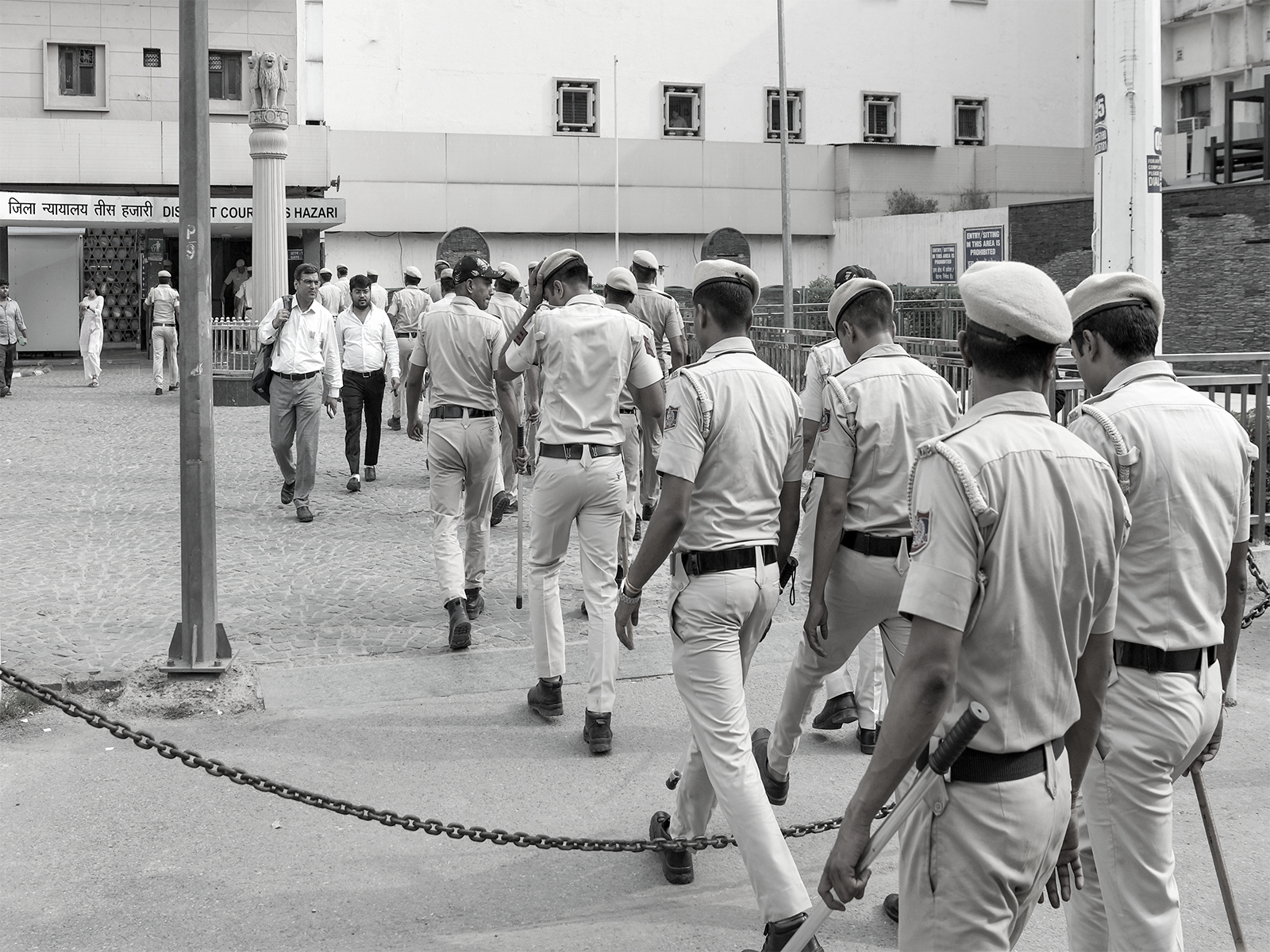
Delhi Court wraps up POCSO trial in 9 Days, sentences man to 25 years for raping 2-year-old
A special POCSO court at Tis Hazari in Delhi delivered a judgment by concluding a child sexual assault trial in just nine days and sentencing the accused, Rajkumar, to 25 years of rigorous imprisonment for the rape of a two-year-old girl. The court, presided over by Additional Sessions Judge Babita Punia, also imposed a fine of ₹5,000 and directed that ₹1.35 lakh be paid as compensation to the victim’s family. The FIR had been registered on October 20 at Nihal Vihar Police Station, and the swift filing of the chargesheet, along with concentrated hearings, allowed the trial to progress quickly. Rajkumar was convicted on November 19 and sentenced the following day.
The court refused to accept the defence’s argument that the accused was under the influence of ganja and liquor at the time of the crime, clearly stating that voluntary intoxication cannot be considered a mitigating factor. The judge observed that the chronological age of the accused held no weight when compared to the extremely young age of the victim. In her sentencing remarks, Judge Punia said the punishment would serve society’s need for deterrence while also leaving room for the convict’s rehabilitation.
Several factors contributed to the unusually fast conclusion of the trial. The case was heard in a designated Fast-Track Special Court set up specifically for offences under the POCSO Act. These courts are meant to reduce delays and prioritise sensitive cases involving minors. The proceedings were held on consecutive days with minimal adjournments, suggesting efficient scheduling by the court. The prosecution presented a strong case backed by immediate evidence, and the clarity of facts ensured that there were no major disputes to prolong the trial. The defence had limited grounds to contest and could not provide sufficient mitigating circumstances.
The case stands in stark contrast to the overall situation in the country, where over two lakh POCSO cases remain pending in fast-track courts. Despite the establishment of special courts, many such cases still face delays due to shortage of judicial officers, heavy caseloads, and procedural challenges. This judgment, however, demonstrates how fast-track courts can function effectively when prioritised and efficiently managed. The swift verdict, strong sentencing, and comprehensive reasoning have highlighted both the potential and the challenges in India’s justice system when dealing with crimes against children.