
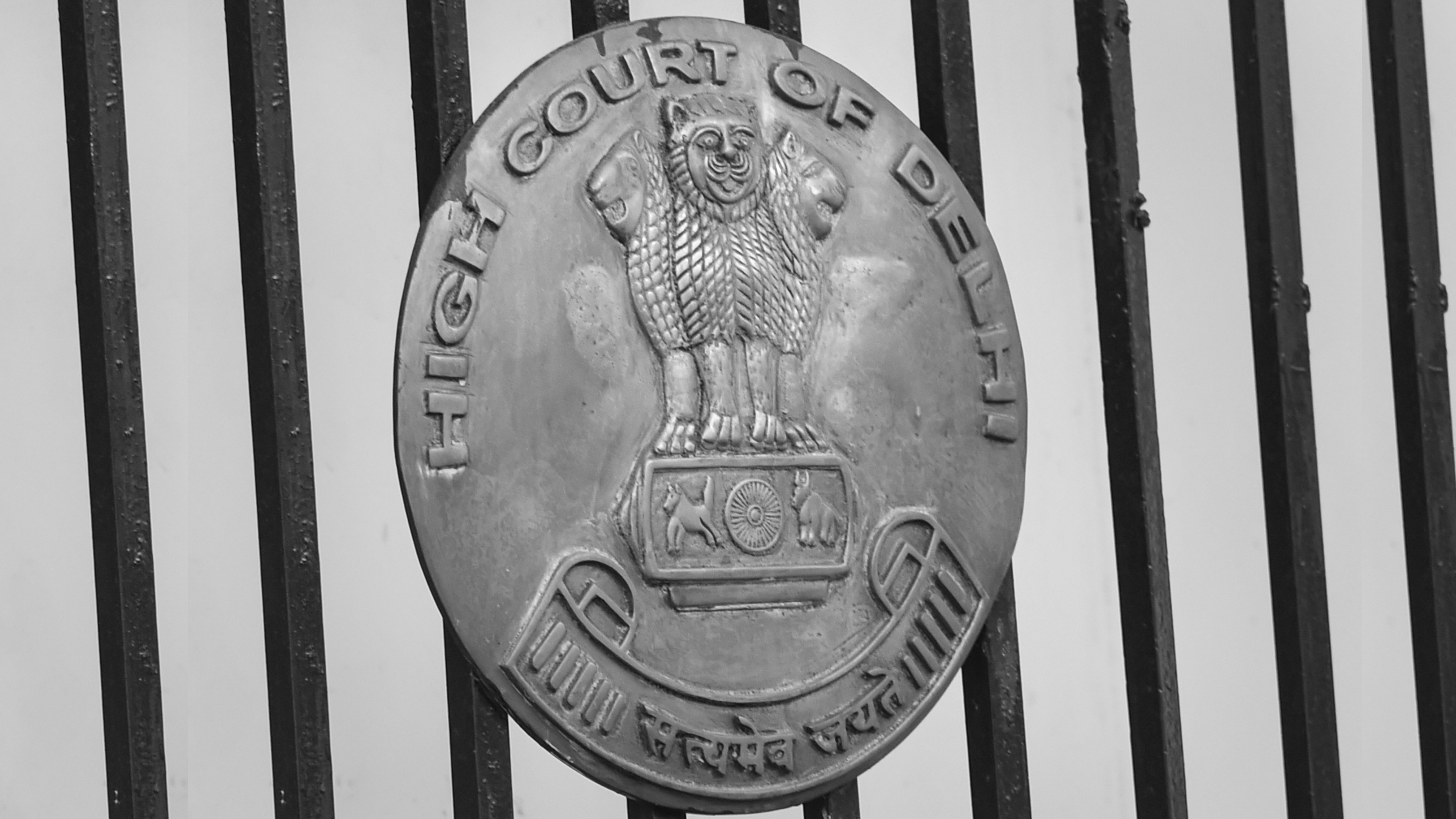
Delhi can cap private school fees:HC
The Delhi High Court has clarified that the city government can regulate the fee structures of unaided private schools, but only to prevent profiteering, commercialization of education, and collection of capitation fees.
A division bench comprising Chief Justice D K Upadhyaya and Justice Tushar Rao Gedela passed the order on October 9, emphasizing that while the government can intervene to curb exploitative practices, it cannot impose blanket restrictions or dictate fee increases of private schools.
"It is not that the fees to be charged by the schools cannot be regulated by the government. However, regulation is permitted only to ensure that such schools do not indulge in profiteering or commercialization of education or charging a capitation fee," the bench stated.
The court noted that regulatory measures could also include ensuring that unaided schools do not misuse profits or surpluses for purposes unrelated to the institution’s development. A fair fee structure, the bench added, should consider factors such as infrastructure, facilities, teacher and staff salaries, and plans for institutional improvement or expansion.
The judgment arose from appeals filed by the Directorate of Education (DoE) and several students, challenging a single-judge decision that had quashed orders restraining Bluebells International School and Lilawati Vidya Mandir from raising fees for the 2017–18 academic session.
The division bench endorsed the single-judge’s findings, stating that the DoE’s scope in regulating fees is limited to cases where schools engage in profiteering or charge capitation fees. If, upon examining a school’s fee statement, the DoE finds that the funds are not being spent according to legal provisions, it can take appropriate action.
The bench highlighted that commercialization of education disproportionately affects middle- and lower-income families. Rapidly rising fees and capitation charges make quality education unaffordable for many, forcing parents to stretch finances, compromise on educational choices, or enroll their children in lesser-resourced schools. Surplus funds collected by schools should benefit the institution and students, not enrich management or unrelated businesses.
The court’s observations also provide a roadmap for other states and the central government. Measures could include mandatory disclosure of school fee structures, independent audits of school finances, setting upper limits on fee hikes, strict penalties for capitation charges, and ensuring that profits are reinvested in educational infrastructure and resources.
This ruling reinforces that education must remain a service focused on learning and development, not a vehicle for profiteering, while offering guidance to governments nationwide on protecting students and families from exploitative practices.