
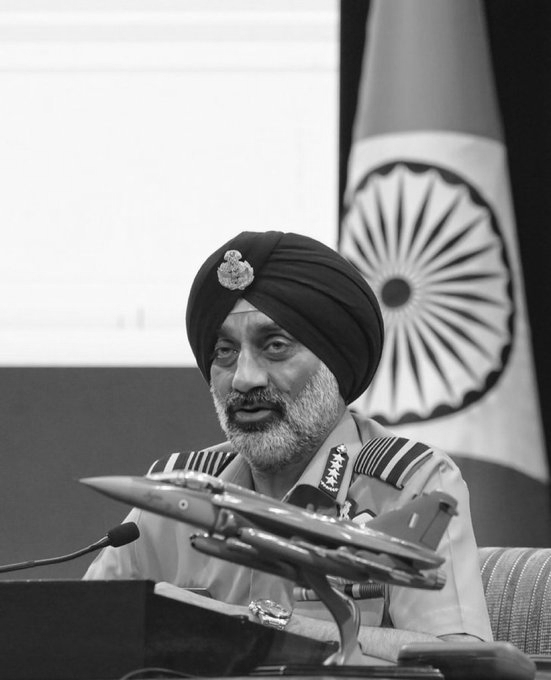
Delayed Fighter Jet Deliveries Hurting IAF As Squadron Strength Falls: Air Chief Marshal AP Singh
The Indian Air Force is facing a widening fighter aircraft gap, with delays in new inductions coming at a time when its combat squadrons have fallen to around 29-30 against an authorised 42. Air Chief Marshal AP Singh has warned that the situation is beginning to hurt the force and said India needs to produce and induct 36-40 fighter jets every year for the next few years.
The requirement translates to roughly two new squadrons annually, but it is not meant only to expand the fleet. The IAF must also replace ageing aircraft as older fighters are gradually retired. Without a steady stream of new jets, its squadron strength could continue to decline even as fresh aircraft enter service.
The most immediate concern is the Tejas Mk-1A. India signed a Rs 48,000-crore contract with Hindustan Aeronautics Ltd (HAL) in February 2021 for 83 aircraft, with deliveries originally scheduled to begin in 2024. Yet, as of October 2026, not a single aircraft from that order has been inducted. A second Rs 62,370-crore contract for 97 more jets was signed in 2025, taking the total order to 180 Mk-1As.
The delay has several causes. The US-made GE F404 engines have been supplied more slowly than planned after production had to be restarted. HAL has also been completing the integration and testing of the Mk-1A's AESA radar, weapon systems and electronic warfare suite. HAL has said dozens of airframes are ready, but final testing and certification remain necessary before delivery.
The wider Tejas programme has also faced scrutiny after two known crashes. A Tejas crashed in Rajasthan in 2024, with the pilot surviving, while a fatal crash at the Dubai Airshow in November 2025 killed the pilot. The causes were investigated, and these incidents should not be treated as the reason for the Mk-1A delivery delays.
The IAF is therefore looking beyond Tejas. A proposed 114-Rafale MRFA deal is being negotiated, while Tejas Mk-2 and the indigenous AMCA are expected to provide longer-term capability. Singh said the MRFA agreement could be signed this financial year, while warning that delays to AMCA could force the IAF to consider other fifth-generation options, including Russia's Su-57, which has been offered to India.
Singh also expressed concern over Pakistan's cooperation with China on fifth-generation fighters, while stressing that India has the capabilities to respond. His broader message was clear: in modern warfare, air power is becoming increasingly decisive, and delays in building that capability carry an operational cost.
The IAF is also seeking greater use of artificial intelligence, drones and loitering munitions, while Singh stressed the need for India to develop a domestic fighter engine. The challenge, ultimately, is not simply buying more aircraft but ensuring that new fighters arrive on time, in sufficient numbers and with the technology needed for future warfare.