
Data doesn’t support US Senator’s claim that India is buying less Russian oil
Claims by US Senator Lindsey Graham that India has reduced its purchases of Russian crude under American tariff pressure are not supported by available shipping and trade data , even as official monthly figures are yet to be released.
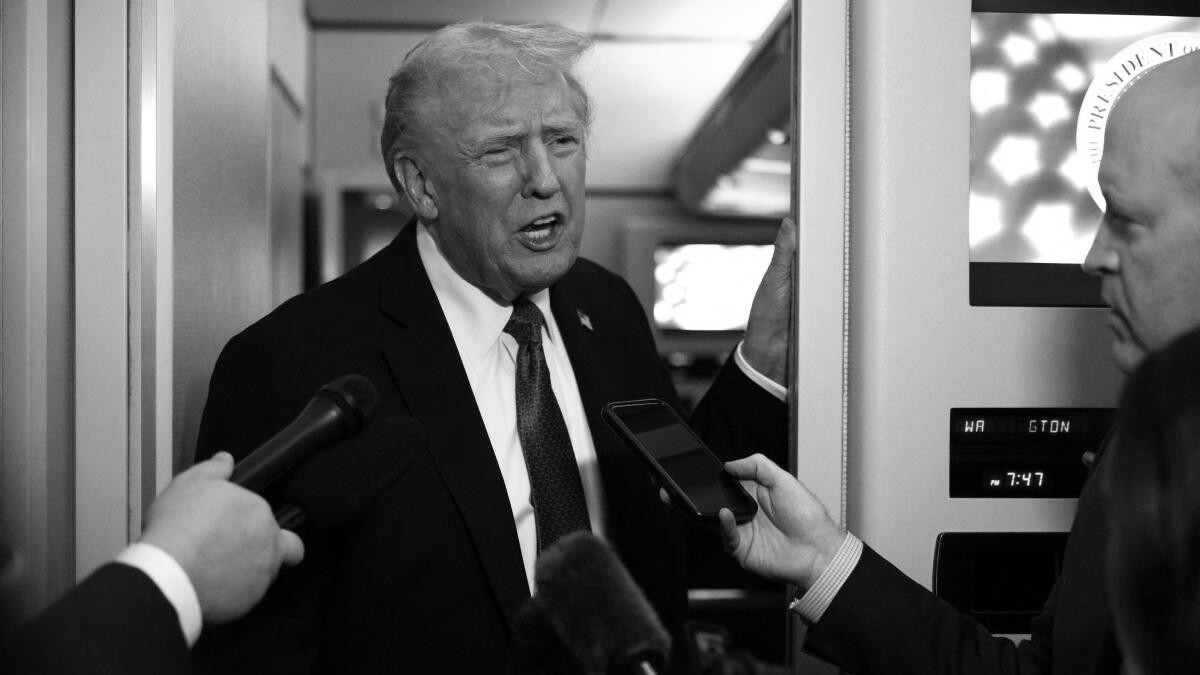
Standing alongside President Donald Trump aboard Air Force One, Graham said tariffs imposed by Washington had forced India to buy “substantially less” Russian oil , referring to private conversations with Indian diplomats and suggesting New Delhi had sought tariff relief. At the same interaction, Trump warned that India could face rapid tariff increases if it continued importing Russian oil, saying, “PM Modi’s a very good man… He knew I was not happy… We can raise tariffs on them very quickly.”
However, independent ship-tracking estimates do not corroborate Graham’s assertion. Available data indicates that India’s Russian crude imports have remained broadly stable, and in some recent months may have increased, pending confirmation once official import statistics are released.
India has issued no official response to either Graham’s or Trump’s remarks. Neither the Ministry of External Affairs nor the Petroleum Ministry has commented. Officials privately note that India does not conduct diplomacy or trade negotiations through press statements, particularly when based on selective references to private discussions.
Diplomatic sources also expressed unease over the public disclosure of what were described as confidential exchanges, saying such remarks risk misrepresenting India’s policy position and depart from established diplomatic norms. “The data will speak for itself once official numbers are released,” a source said.
After a long gap, Trump and Prime Minister Narendra Modi last spoke on December 18, 2025 , during a telephonic conversation in which both leaders agreed to maintain momentum in bilateral trade talks, even as disagreements persisted over tariffs and market access.
India has consistently maintained that its oil purchases are driven by energy security needs, pricing and supply availability, and not political signalling. Officials reiterate that policy decisions are guided by national interest, not external pressure.
As official import data becomes available in the coming weeks, claims made during the Air Force One interaction are expected to be tested against hard numbers, reinforcing New Delhi’s position that trade statistics, rather than rhetoric, remain the final arbiter.