
Cyclone Murasu Damages Crops Across 15 Andhra Districts, Telangana Braces for More Rain
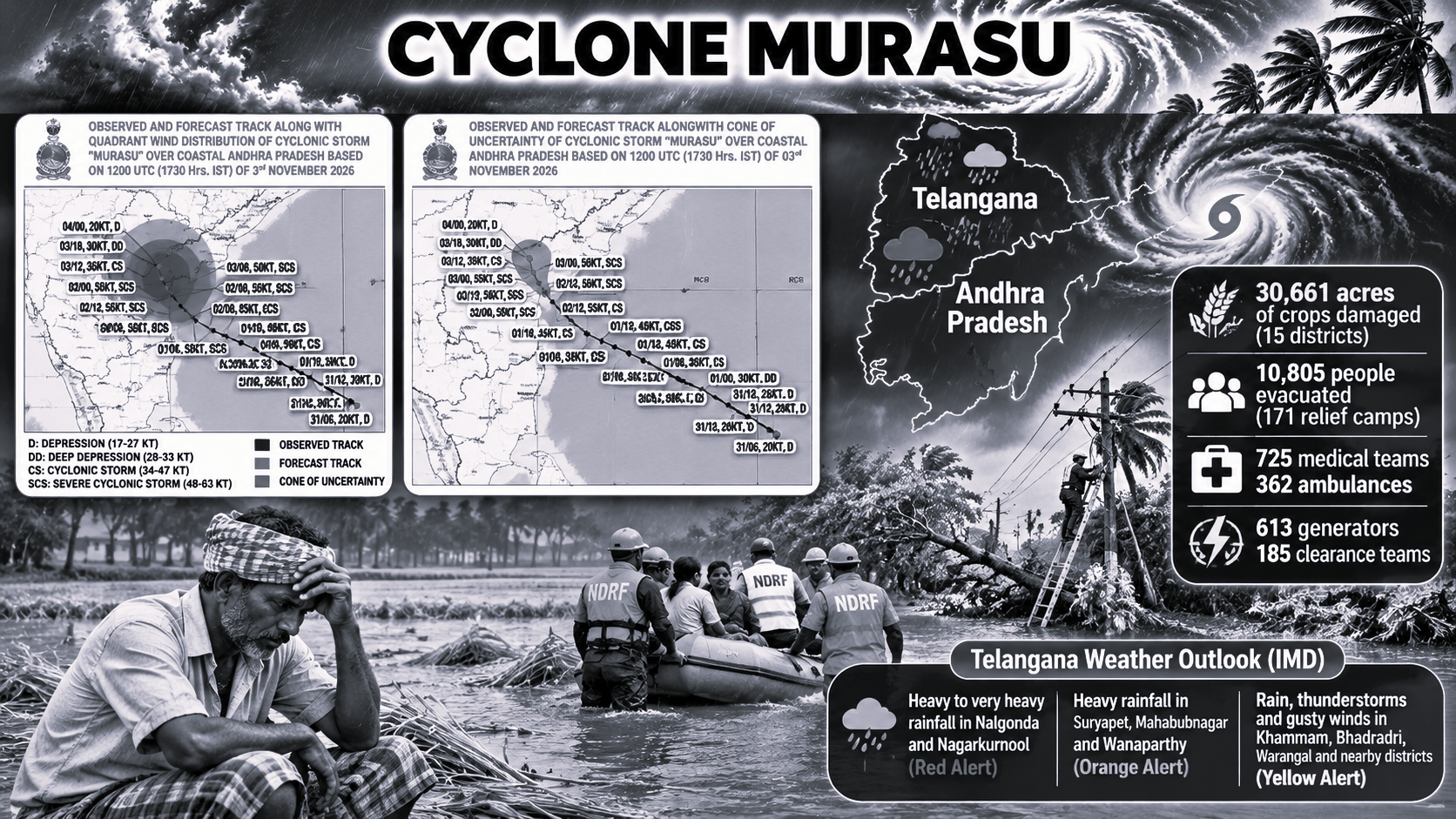
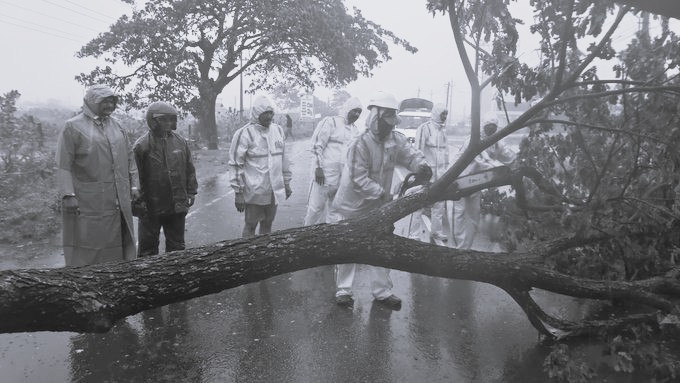
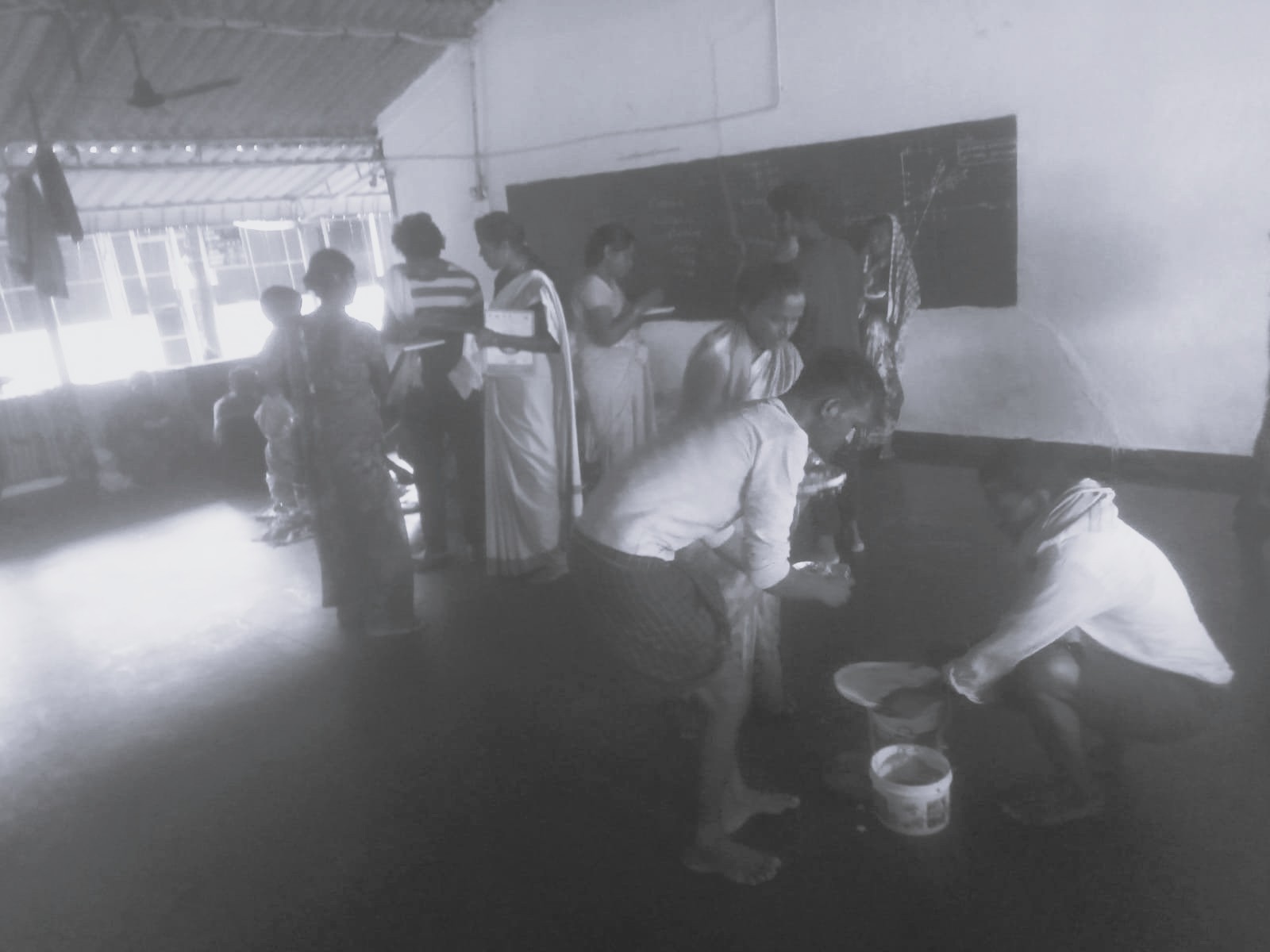
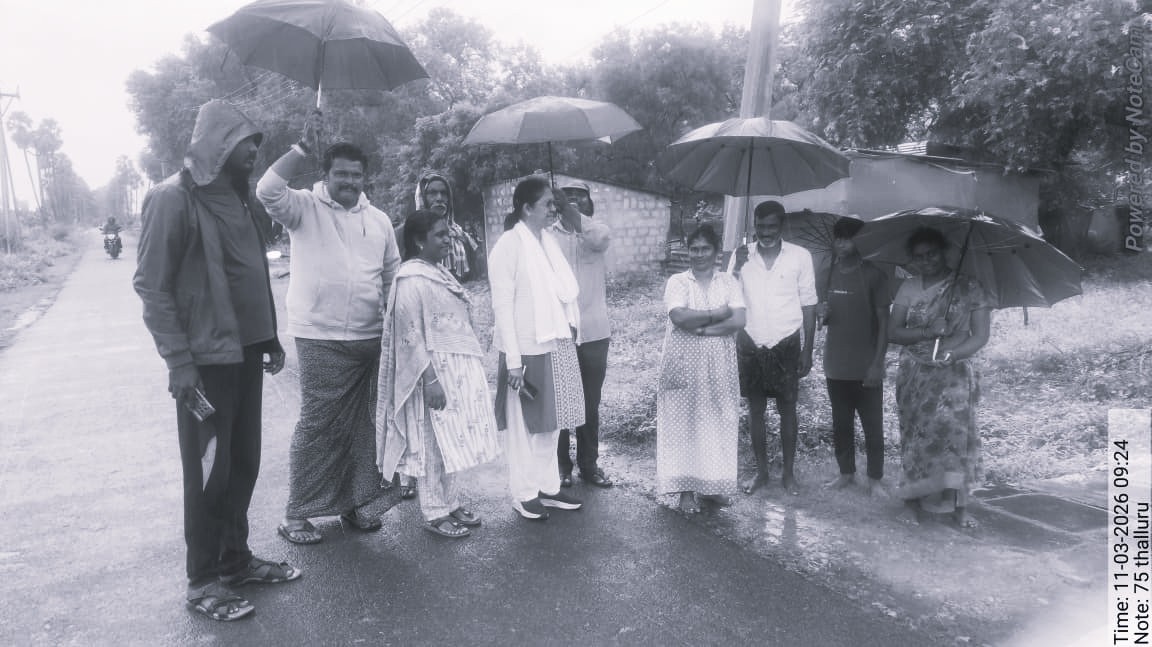
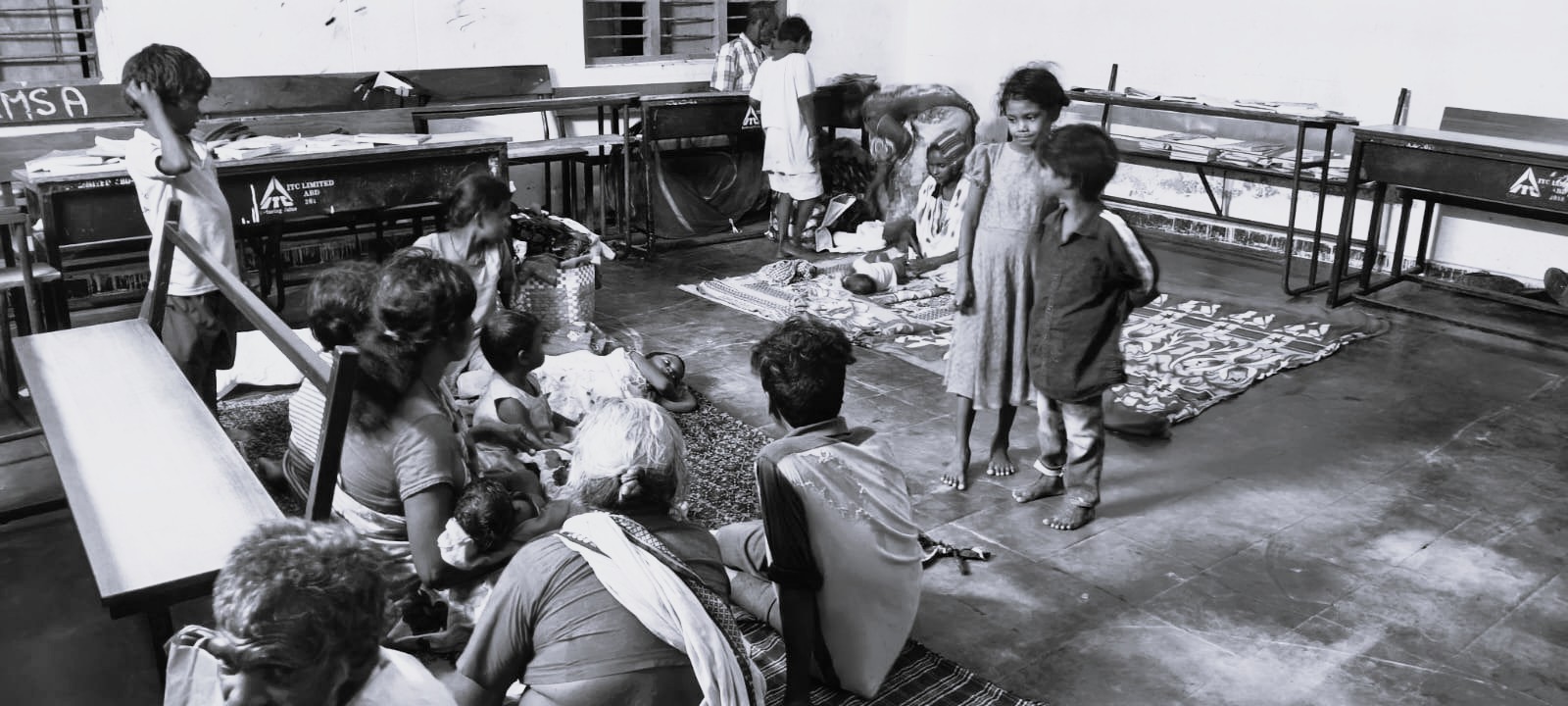
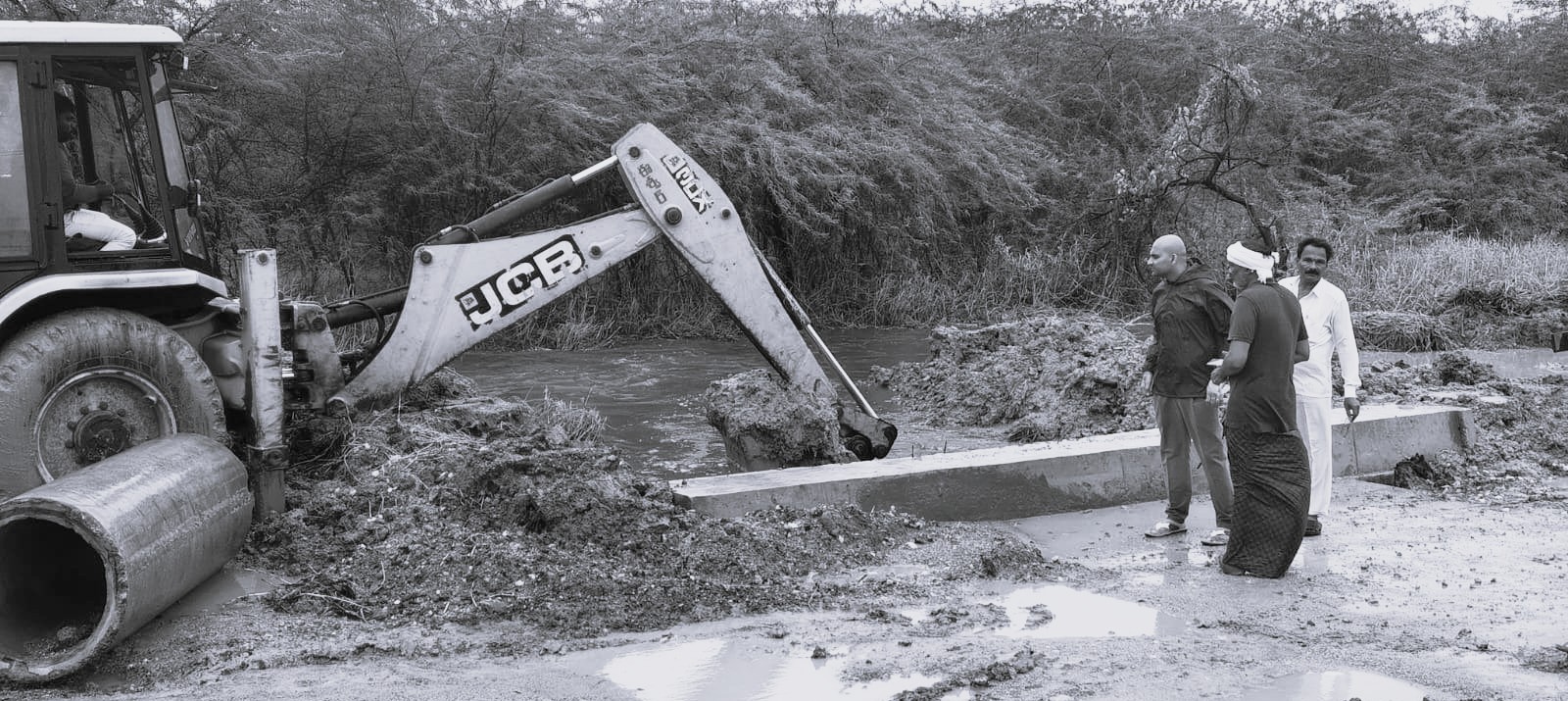
Andhra Pradesh is assessing the extensive damage caused by Cyclone Murasu, which brought powerful winds, torrential rainfall and widespread inundation after crossing the state's southern coastline near Ongole in the early hours of November 3. Preliminary government estimates indicate that standing crops across 30,661 acres in 15 districts were damaged, with Krishna, Bapatla and Nandyal among the worst-affected districts. The successive impact of Cyclones Arnab and Murasu has added to the challenges facing farmers and coastal communities, prompting Chief Minister N. Chandrababu Naidu to direct officials to intensify relief and restoration operations.
Murasu crossed the coast between Nellore and Narsapur, near Ongole, between 3.30 am and 5.30 am on November 3, bringing sustained winds of 100–110 kmph and gusts up to 120 kmph. The IMD had warned of a 1–1.5 metre storm surge above the astronomical tide, threatening low-lying areas in Bapatla, Krishna and Prakasam. After landfall, the system moved north-northwestwards and weakened. By 5.30 pm, its wind speed had reduced to 65–75 kmph, with gusts up to 85 kmph. The IMD expected it to weaken further into a deep depression by midnight. Doppler radars at Machilipatnam and Visakhapatnam monitored its movement.
Ponnur recorded approximately 313 mm of rainfall, while Guntur city received around 298 mm. Bapatla recorded a district-average rainfall of 56.95 mm during the reported 24-hour period. Preliminary assessments identified paddy, cotton and maize among the affected crops. Separately, field-level reports identified approximately 5,969 hectares of inundated crops across two districts, including 5,619 hectares in Bapatla and 350 hectares in East Godavari.
The cyclone's impact extended into Telangana, particularly Nalgonda, Nagarkurnool, Khammam and Bhadradri-Kothagudem. The IMD had issued red alerts for Nalgonda and Nagarkurnool, warning of heavy to very heavy rainfall with isolated extremely heavy spells. Suryapet, Mahabubnagar and Wanaparthy were placed under orange alerts, with heavy to very heavy rainfall forecast at isolated places. Thunderstorms accompanied by lightning and gusty winds of 50–60 kmph, reaching 70 kmph, were also expected in these districts.
A yellow alert covered Khammam, Bhadradri-Kothagudem, Mulugu, Mahabubabad, Warangal, Hanamkonda, Jangaon, Yadadri Bhuvanagiri, Rangareddy, Vikarabad, Narayanpet and Jogulamba Gadwal, with heavy rainfall and gusty winds forecast. An independent weather update indicated that isolated locations in Khammam and Bhadradri-Kothagudem could receive 120–140 mm of overnight rainfall. The downpour also disrupted coal production at Sathupalli open-cast mines and raised concerns over agricultural losses.
The IMD forecast further rainfall activity in Telangana on November 4, particularly in Vikarabad, Mahabubnagar, Nagarkurnool, Wanaparthy, Narayanpet and Jogulamba Gadwal. Thunderstorms were expected across the state on November 5, extending to nine western and southern districts on November 6. Rainfall activity was expected to ease as the cyclone weakened and moved inland.