
Cybercrime Crackdown: TGCSB Arrests 101, Traces ₹17 Crore Transactions
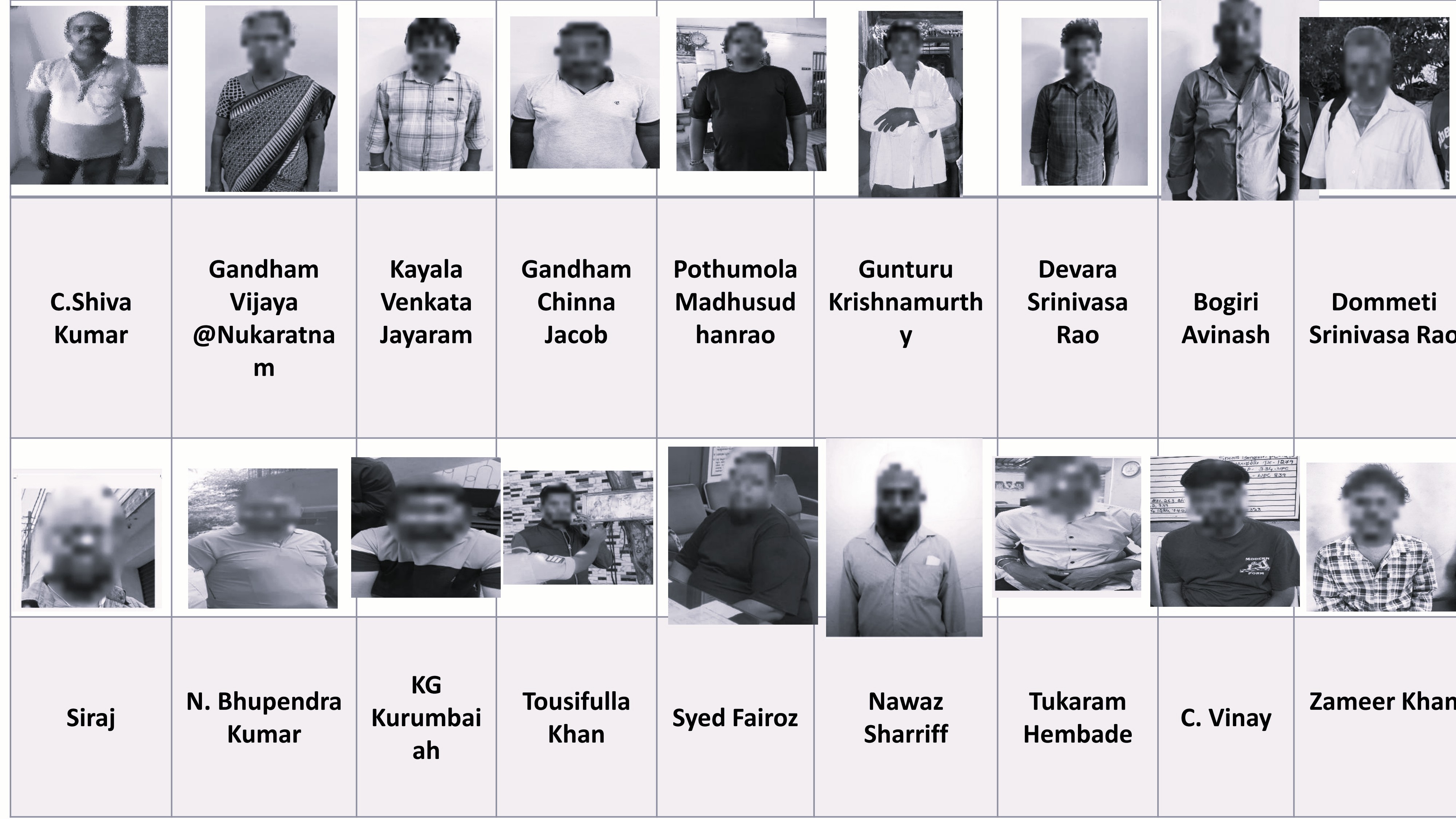
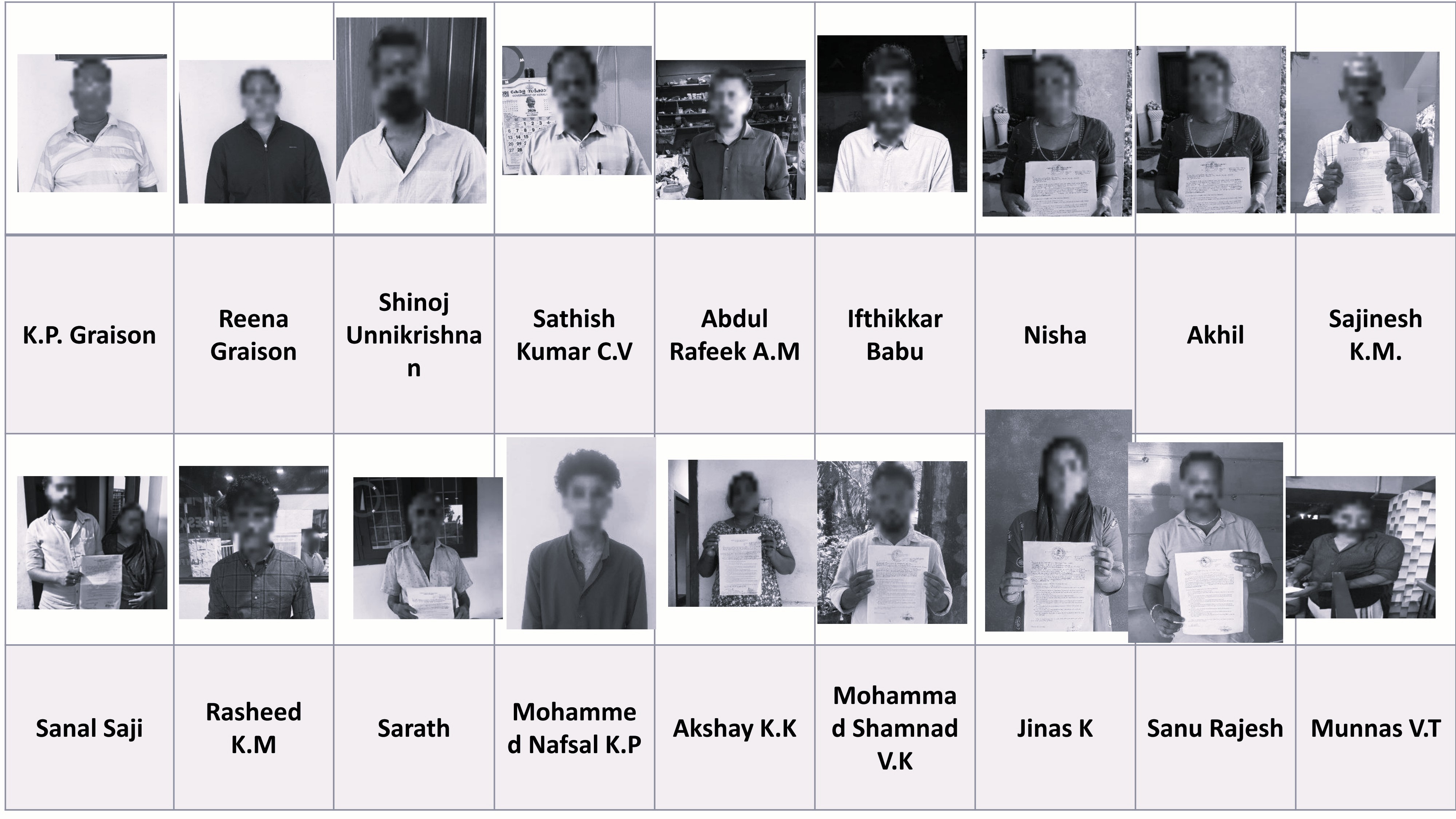
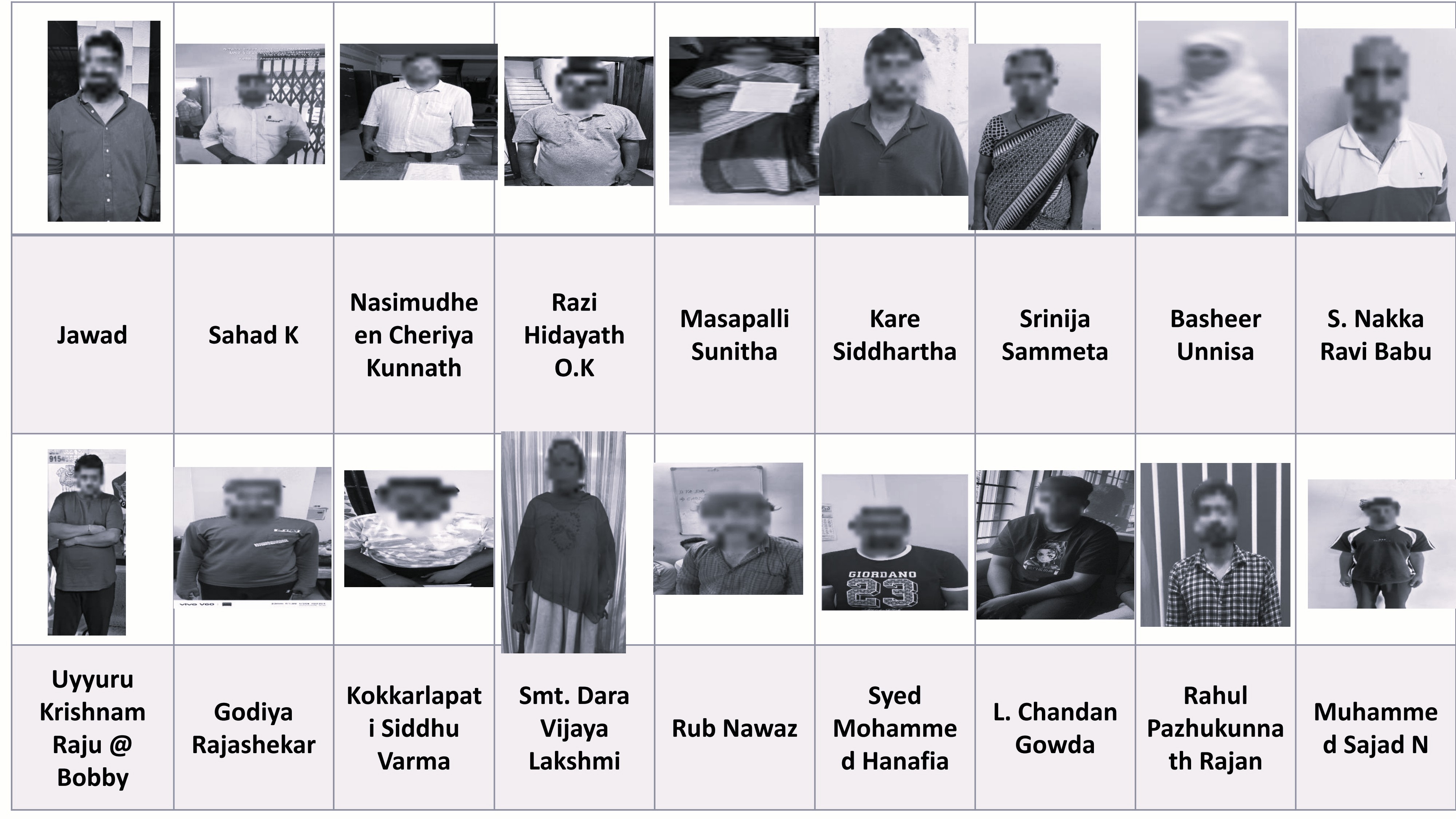
The Telangana Cyber Security Bureau (TGCSB) has launched a major crackdown on cybercrime networks, arresting 101 people, including 18 women, during a two-week special operation across several southern states. Investigators have identified fraudulent transactions worth approximately ₹17 crore routed through mule bank accounts allegedly used by the accused.
The operation, which began on September 23, was conducted across Telangana, Andhra Pradesh, Karnataka, Tamil Nadu, Kerala and Puducherry. Six specialised teams involving more than 100 personnel were deployed to identify individuals and networks involved in cyber-enabled financial crimes. The teams focused particularly on agents and people providing bank accounts that were subsequently used for fraudulent transactions.
According to TGCSB Director Shikha Goel, police seized mobile phones, SIM cards, bank passbooks and cheque books from the arrested suspects. The arrests were linked to 51 cybercrime cases registered at seven TGCSB Cyber Crime Police Stations in Telangana.
Investigators have so far identified 1,172 crime-related links across the country, including 206 connected to Telangana. Of the 101 arrested suspects, 50 were found to have links with more than five cybercrime cases each, indicating the extensive reach of the networks.
The investigation revealed that cybercriminals were obtaining bank accounts through agents and intermediaries and using them as mule accounts to receive, transfer and withdraw fraudulently obtained money. The accounts were also allegedly used for ATM withdrawals, large-value transfers and transactions connected to overseas routes. Account holders and intermediaries were reportedly offered commissions of up to 5% of the amount routed through their accounts.
The accused came from diverse professional and educational backgrounds. An NBFC employee allegedly arranged mule accounts for cybercriminals, while a graduate involved in money exchange was also found assisting the network. A former military personnel was linked to six cybercrime cases, while another accused with a film technology diploma had links to 26 cases. An M.Com-qualified businessman was connected to 34 cases, while an e-commerce employee allegedly allowed his bank account to be used in return for commission; the account was linked to 50 cases.
Authorities also found that trust accounts opened in the names of NGOs were being used to move crime proceeds and were linked to 60 cases nationwide.
The TGCSB said the accused represented varied age groups, professions and educational backgrounds. Further investigation is underway to identify additional interstate and international cybercrime networks.