
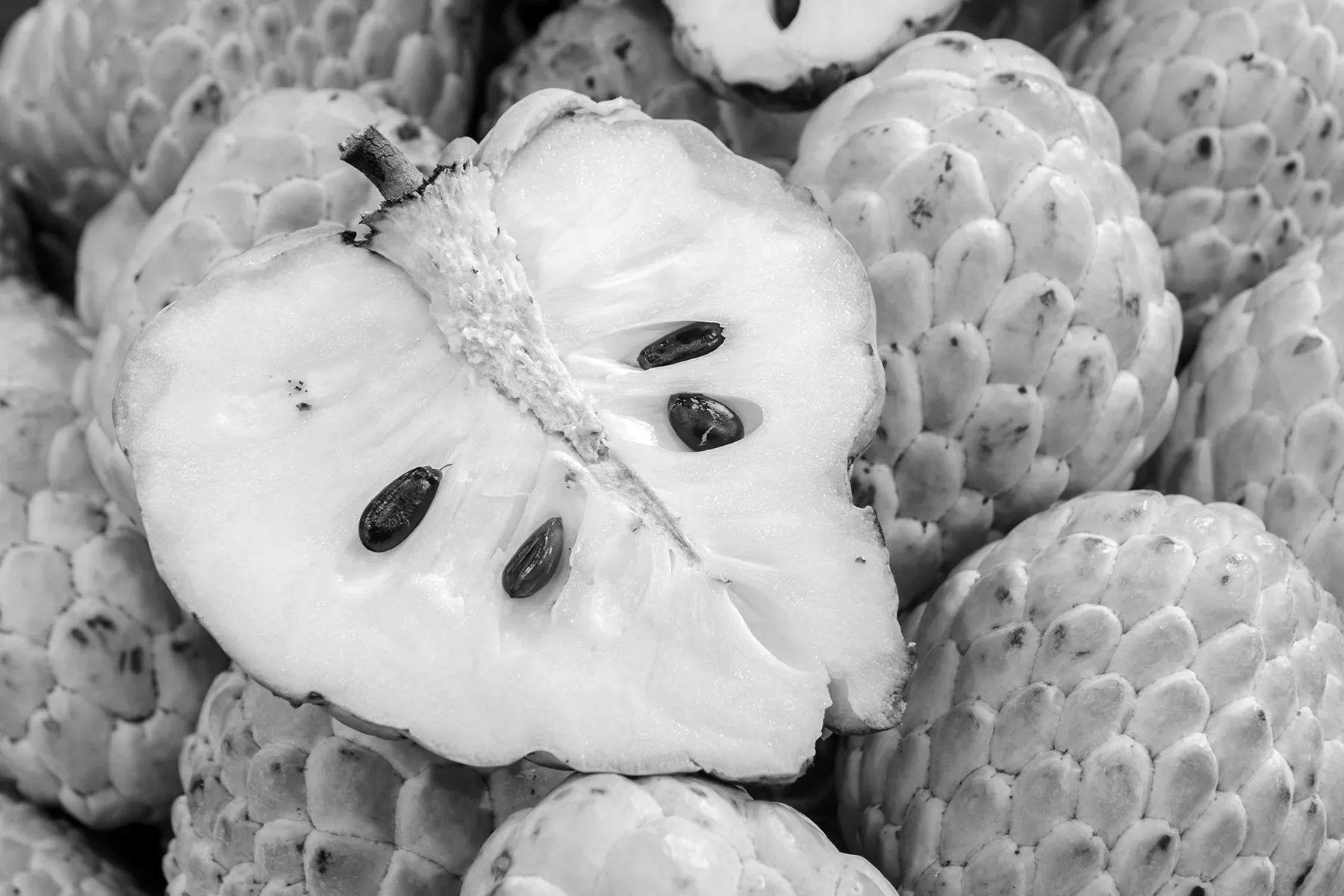
Custard apple: A sweet fruit rich in health benefits
Fruits are among nature’s finest gifts to humankind, playing a vital role in maintaining good health and providing essential nutrients to the body. They are rich in vitamins, minerals, natural sugars, and water, making them an indispensable part of a balanced diet. Regular consumption of fruits provides energy, improves digestion, enhances skin glow, and boosts immunity, keeping both body and mind active. Among these natural delicacies, the custard apple, known in India as Seethaphal, occupies a special place for its sweet taste and impressive health benefits.
A Natural Sweet Treat
The custard apple (Annona squamosa), also called Sharifa, Sitaphal, or Sugar Apple, is a soft, pulpy fruit enjoyed by people of all ages. With a green scaly outer covering and creamy white flesh, it is both delicious and nutritious. This seasonal fruit is mainly available from late monsoon through autumn, typically from August to November, when it ripens abundantly in dry climatic conditions following rainfall.
Custard apples are cultivated extensively in several Indian states, including Telangana, Andhra Pradesh, Maharashtra, Tamil Nadu, and Gujarat. During this period, local markets are filled with freshly harvested fruits, making it one of the most sought-after seasonal delights.
Nutritional Composition
Custard apples are not only sweet but also packed with nutrients essential for maintaining overall health. Every 100 grams of custard apple pulp provides:
• Calories: 95 kcal
• Carbohydrates: 23.6 g
• Protein: 2.1 g
• Fat: 0.4 g
• Fibre: 4.4 g
• Vitamin C: 35–40 mg
• Vitamin B6: 0.2 mg
• Potassium: 250 mg
• Magnesium: 20 mg
• Iron: 0.7 mg
These nutrients collectively supply instant energy, aid in digestion, and strengthen the immune system. The presence of natural sugars makes it an energising fruit, particularly beneficial for those in need of a quick energy boost.
Major Health Benefits
Improves Brain Function:
Custard apples contain Vitamin B6, which supports brain function and helps reduce stress and anxiety. Regular consumption can enhance concentration and mental alertness, making it particularly useful for students and working professionals.
Supports Heart Health: Rich in potassium and magnesium, custard apples help regulate blood pressure. Its high fibre and antioxidant content reduce bad cholesterol (LDL) and lower the risk of cardiovascular diseases, thus protecting the heart.
Aids Digestion: Being a natural source of dietary fibre, custard apple promotes healthy digestion and prevents constipation. It gives a feeling of fullness, helping to avoid overeating while keeping the digestive system active and efficient.
Enhances Skin and Hair Health: The Vitamin C present in custard apple boosts collagen production, keeping the skin radiant and youthful. It also strengthens hair follicles, promoting healthy and strong hair growth.
Beneficial for Pregnant Women: Custard apple contains folate (Vitamin B9), which plays a crucial role in the development of the brain and nervous system of the fetus. The natural sugars present in the fruit also provide instant energy to pregnant women.
Boosts Immunity: The fruit is a good source of Vitamin C, which enhances the immune system and helps the body fight against common infections like colds and fever. Regular intake strengthens the body’s natural defence mechanisms.
Culinary Uses of Custard Apple
Due to its creamy texture and natural sweetness, custard apple is widely used in desserts and beverages. In recent years, chefs and home cooks have found innovative ways to incorporate it into various dishes.
• Custard Apple Ice Cream: The pulp of the fruit, when blended with milk, cream, sugar, and vanilla, makes a refreshing and naturally flavoured ice cream popular among children and adults alike.
• Custard Apple Milkshake or Smoothie: Blending the pulp with milk and ice yields a rich and nutritious beverage that serves as an instant energy drink.
• Custard Apple Basundi or Rabri: By adding the pulp to thickened, cooled milk, a creamy dessert suitable for festive occasions can be prepared.
• Cakes and Pastries: Custard apple pulp is also used as a flavouring in cakes and pastries, creating a distinct taste that appeals to dessert lovers.
• Yogurt and Frozen Desserts: Mixing custard apple pulp with yogurt or Greek yogurt produces a light, healthy dessert that is both satisfying and nutrient-rich.
These creative uses allow people to enjoy the flavour of custard apple throughout the year while gaining its health benefits.
Precautions
While custard apple is highly nutritious, certain precautions should be observed. The seeds of the fruit are toxic and should never be consumed. The fruit must be eaten soon after ripening, as it tends to ferment quickly if stored for too long. People with diabetes are advised to consume it in moderation because of its high natural sugar content.
A Natural Gift for Health
Custard apple stands as a remarkable example of how nature combines sweetness with nourishment. Its rich blend of vitamins, minerals, and antioxidants makes it one of the healthiest seasonal fruits. Regular inclusion of custard apple in the diet can enhance physical energy, promote brain function, and contribute to glowing skin and better immunity.