
Cuba Reopens Schools As Fuel, Power And Teacher Shortages Deepen Crisis
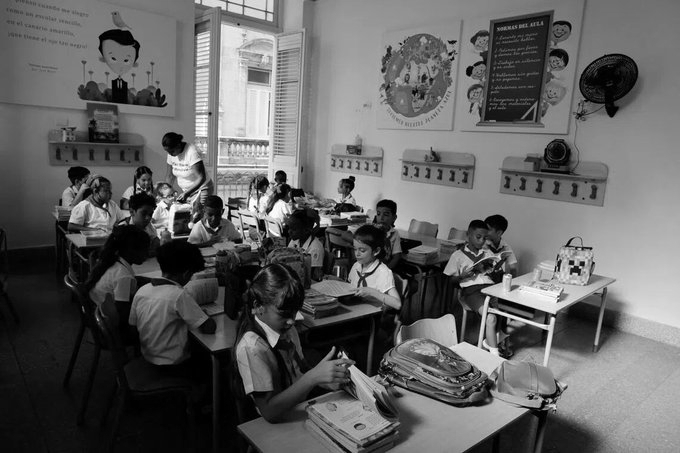
Cuba has reopened more than 10,000 schools for around 1.4 million students, but the new academic year has begun amid severe shortages of fuel, electricity, water, food, teachers, uniforms and school supplies.
More than 135,000 teachers are expected to serve students nationwide. Education Minister Naima Trujillo Barreto called the reopening a “heroic act” after the previous school year ended a month early because of worsening shortages.
The crisis has already disrupted education. Around 25,000 students missed classes last year, largely because fuel shortages affected transportation. This year, schools are expected to operate with flexible schedules based on local conditions, including teacher availability, transportation and food supplies.
Transportation remains a major obstacle. With school buses unable to operate in some areas, families have resorted to alternatives. In Las Minas, the Barroso family took their daughter to school on a cart pulled by a borrowed horse after their own horse was stolen and killed for food.
Cuba is also facing a 73 per cent teacher coverage rate, with low salaries and emigration blamed for vacancies. More than 3,000 teachers have been transferred from eastern provinces to Havana, while university students, professionals and retirees are being encouraged to fill gaps.
Basic supplies are scarce. Some schools reportedly have only about 15 days of food, forcing parents and private businesses to help with meals. Uniform production meets just 12 per cent of primary-school demand, while students have been permitted to wear comfortable civilian clothes with the traditional red or blue neckerchiefs.
The power crisis has compounded the difficulties. Some households endure blackouts lasting more than 20 hours a day, while classroom temperatures can exceed 32 degrees Celsius. Children are being sent to school with rechargeable fans, often charged at neighbours' homes.
The wider economy is suffering too. Cuba's tourism sector fell 62 per cent in the first seven months of 2026, with only about 419,000 international visitors compared with 1.1 million during the same period last year. The decline adds pressure to an economy already struggling with inflation, fuel shortages and limited imports.
The government blames intensified US sanctions and an oil embargo for worsening shortages, while President Miguel Díaz-Canel has portrayed the school reopening as a defiance of Washington's pressure campaign.
For Cuban families, however, reopening schools has become another test of resilience as fuel, food, electricity, water and basic supplies remain scarce.