
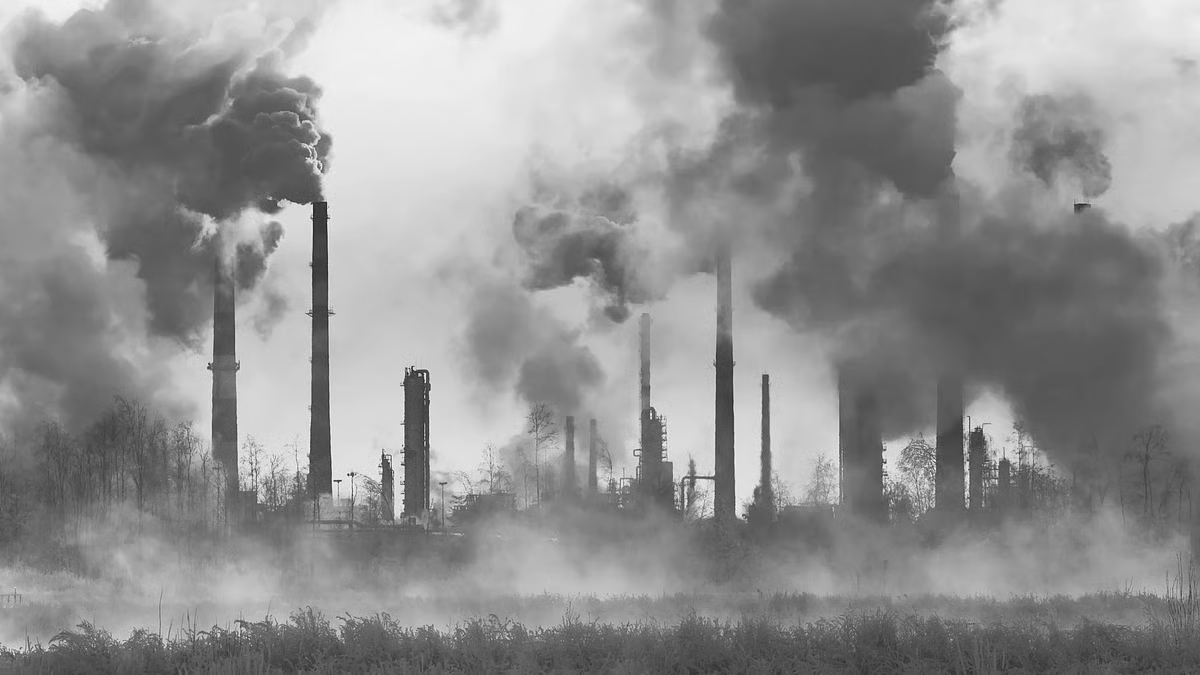
CPCB flags over 4,000 gross polluting industries as 29 face closure orders
The latest assessment by the Central Pollution Control Board (CPCB) has identified 296 polluted river stretches across the country, spread over 271 rivers in 32 states and Union territories, marking one of the most detailed evaluations of national water quality in recent years.
According to the report, the highest number of polluted stretches has been recorded in Maharashtra, which accounts for 54 of the total identified sites. It is followed by Kerala (31), Madhya Pradesh (18), Manipur (18) and Karnataka (14), reflecting a wide geographical spread of river pollution linked to urbanisation, industrial discharge and untreated sewage.
The CPCB has also highlighted 37 “Priority I” stretches, the most critically polluted category based on high biochemical oxygen demand (BOD) levels. These critically degraded stretches are located across 14 states, with Tamil Nadu, Uttar Pradesh and Uttarakhand each hosting five Priority I segments. Other states with severely polluted stretches include Gujarat (4) and Karnataka (3), underscoring persistent challenges in major river basins.
The report indicates a gradual national-level improvement. Polluted river stretches have reduced from 351 in 2018 to 311 in 2022 and now 296. The number of Priority I stretches has also declined from 46 to 37 suggesting improvement in some rivers due to enhanced sewage treatment capacity, enforcement actions and pollution control measures. CPCB data shows that 149 stretches identified as polluted in 2018 now meet the required water-quality standards.
Despite the downward trend, the CPCB has cautioned that pollution remains severe in several hotspots, particularly in industrialised belts and densely populated urban regions. The board has recommended sustained surveillance, expansion of sewage treatment infrastructure and stricter regulatory enforcement to prevent further degradation.