
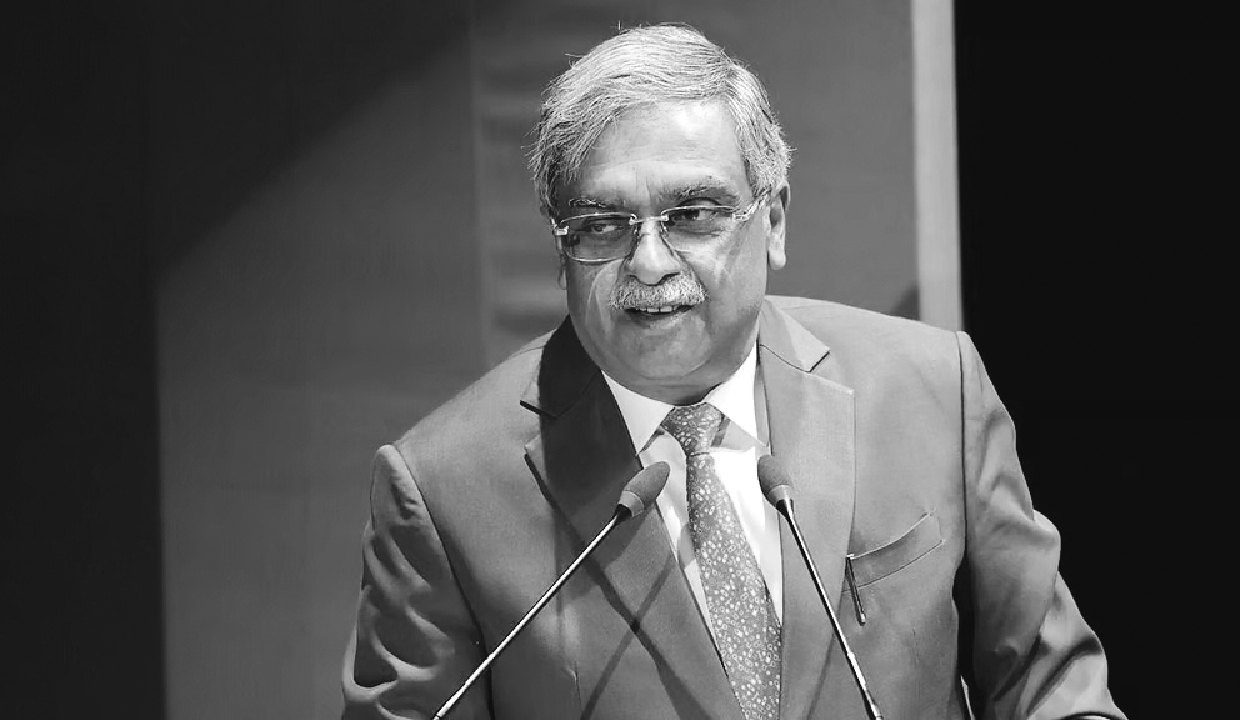
Courts Go Digital, But Judgment Stays Human, Says SC Judge Vikram Nath
India’s judiciary is entering a transformative phase, a shift recently underscored by Supreme Court judge Vikram Nath , who emphasised that the justice delivery system must evolve with changing societal needs and technological advancements. Addressing a judicial conference in Gujarat, he highlighted the growing role of digital tools and artificial intelligence , while firmly asserting that justice must remain rooted in human conscience, empathy, and fairness .
This vision reflects a broader transition from a courtroom-centric system to a citizen-centric model , where accessibility and efficiency are prioritised. At the centre of this transformation is the e-Courts Mission Mode Project , which has accelerated digitisation across the country. Through e-filing, digital records, and integrated platforms , citizens can now interact with courts without physical presence, marking a significant move toward paperless and transparent judicial processes .
The rise of virtual hearings and video conferencing has further expanded access, enabling participation from remote regions and reducing logistical burdens. In addition, virtual courts have streamlined the resolution of minor cases, allowing disputes to be settled entirely online. These changes are helping bridge long-standing gaps in accessibility, particularly for rural populations.
Transparency has also improved with the introduction of live streaming of court proceedings , giving citizens real-time access to judicial functioning and reinforcing public trust. Meanwhile, the National Judicial Data Grid (NJDG) has made court data publicly available, promoting accountability and data-driven governance .
To ensure inclusivity, the judiciary has established e-Sewa Kendras that assist citizens in navigating digital systems. Complementing this are Tele-Law services and legal aid programmes , which provide free legal assistance to economically weaker sections. Technological innovation is also addressing language barriers through tools like SUVAS , which translates judicial documents into multiple Indian languages.
While AI is emerging as a powerful support tool for research and case management, Justice Nath cautioned against over-reliance on technology. Judicial decision-making, he noted, requires contextual understanding and ethical judgment , qualities beyond algorithms.
Ultimately, India’s judicial reforms signal a decisive shift toward a system that is accessible, transparent, and responsive . As technology advances, the judiciary’s challenge will be to balance innovation with its foundational values, ensuring that justice remains not only efficient, but also deeply human at its core .