
Court Grants Bail to Nine in AI Summit Protest Case, One Sent to Custody
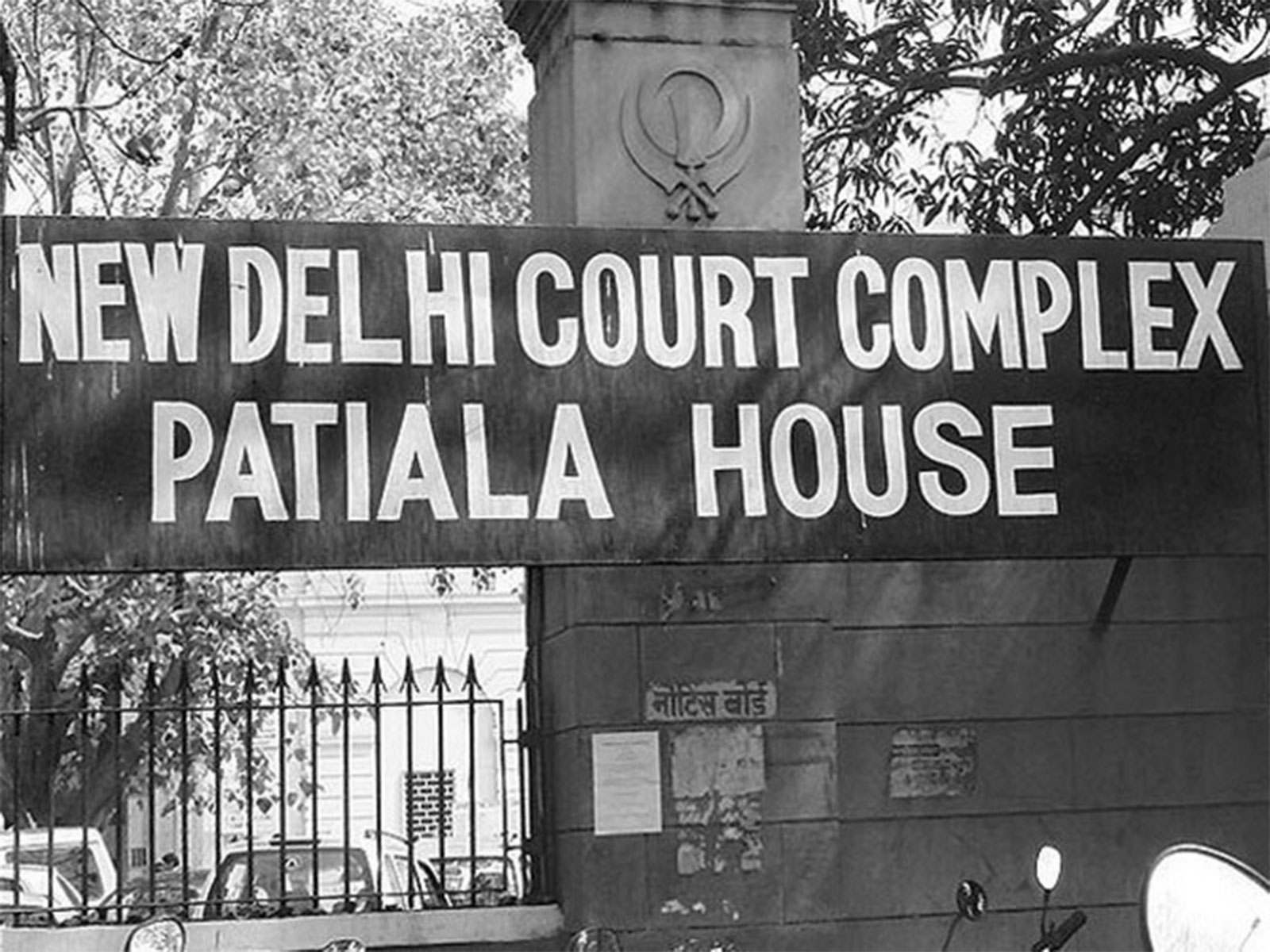
At the Patiala House Court, bail was granted to nine accused persons in the AI Summit protest case, while one accused, Siddharth Avdhoot , was sent to four days of police custody after his bail plea was rejected.
Duty Magistrate Ravi granted bail to nine accused Krishna Hari, Kundan Yadav, Narsimha Yadav, Ajay Singh, Saurabh, Arbaz Khan, Ajay Kumar Vimal, Raja Gujar and Jitendra Yadav — on a bond of ₹25,000 each with one surety . The court directed that the bail bonds be furnished on Monday. However, the prosecution successfully sought custodial remand for Avdhoot, citing the need for further interrogation.
Delhi Police opposed the bail applications, arguing that the protest was not a simple expression of dissent but an organised action carried out during an international event. The police submitted that the accused allegedly concealed their criminal antecedents and failed to disclose prior cases in their bail pleas. According to the prosecution, one accused had a pending case at Tuglak Road Police Station, which was not mentioned in the application.
Senior Advocate Tanvir Ahmed Mir , appearing for the accused along with other advocates, argued that the custody of the nine accused was unnecessary. He stressed that “Bail is the rule, jail is the exception” , pointing out that the accused had already been in police custody for nearly nine days. He contended that there was no flight risk , no possibility of tampering with evidence, and that the matter arose from a protest exercise protected under the Constitution.
The defence emphasised that freedom of expression is a fundamental right and that citizens have the right to criticise government policies. Mir questioned the prosecution’s stance by asking, “Was any brick thrown? Was any abuse hurled?” He further argued that protesters cannot be restricted from demonstrating at public events simply because international leaders or media were present.
The protest reportedly involved participants wearing T-shirts that read “India-US Trade Deal Compromised.” Defence counsel submitted that the trade policy issues highlighted in the protest could impact farmers’ livelihoods and favour large corporate conglomerates. He maintained that the protest was a democratic expression and that authorities cannot dictate where individuals should demonstrate.
The prosecution, represented by Additional Public Prosecutor Atul Shrivastav , opposed these arguments and sought judicial custody for the nine accused and police custody for Avdhoot. He argued that the protest was organised in coordination with political party members and was conducted during the AI Impact Summit, when international delegates and media were present, thereby affecting the country’s image.
The prosecution also claimed that the case involved a structured plan and hierarchy , alleging that Avdhoot played a major role in planning meetings and coordinating activities. Police stated that some accused attempted to evade arrest — with three individuals reportedly hiding in a resort in Shimla before being apprehended. Authorities further said that mobile phones and electronic evidence are being examined, as the footage has been secured and is under analysis.
The police also argued that certain offences invoked in the case could carry punishments extending beyond five years , and that consecutive sentencing could increase the overall penalty if convictions occur.
During the hearing, senior police officials including a Joint CP, DCP and ACP were present. The court, after hearing both sides, granted bail to nine accused while allowing further custodial interrogation of Avdhoot. The matter remains under investigation.