
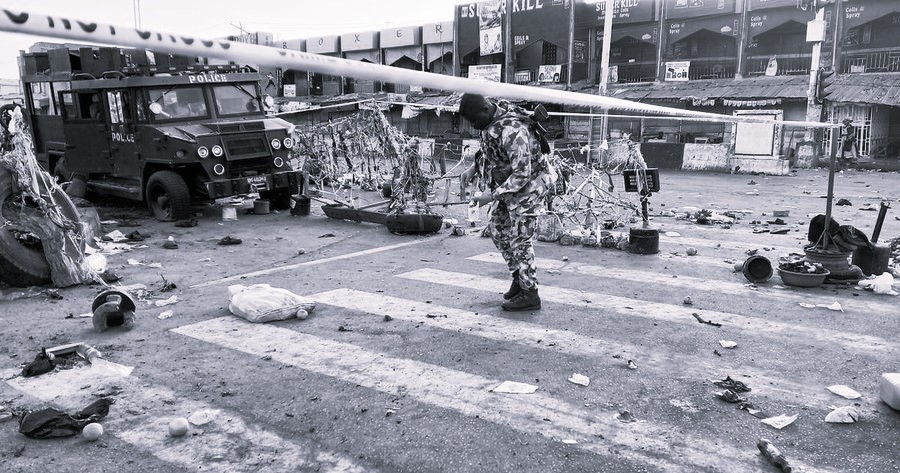
Coordinated suicide bombings kill 23, injure over 100 in Nigeria’s Maiduguri
A series of coordinated explosions ripped through crowded civilian areas in Maiduguri , capital of Borno State in northeastern Nigeria, late Monday night, killing at least 23 people and injuring more than 100 others in one of the deadliest attacks on the city in recent years. Police said the blasts were carried out by suspected suicide bombers , highlighting a dangerous resurgence of extremist violence targeting civilians.
Three near-simultaneous explosions struck a major market , a busy commercial area near the Post Office, and the entrance of the University of Maiduguri Teaching Hospital, all densely populated locations at the time. Authorities confirmed that 23 people died and 108 sustained injuries , overwhelming emergency services and prompting urgent appeals for blood donations.
No group has claimed responsibility, but suspicion has fallen on the jihadist group Boko Haram and its offshoot Islamic State West Africa Province (ISWAP), affiliated with the global Islamic State network. Both groups have a long record of deploying suicide attackers against civilian targets across northeastern Nigeria.
Maiduguri, once the epicenter of the insurgency, had enjoyed relative calm in recent years , making the coordinated nature of the attacks particularly alarming. Analysts say simultaneous strikes on crowded public spaces expose serious security gaps in a city previously considered heavily protected.
The bombings occurred less than 24 hours after Nigerian forces reportedly repelled militant assaults on the city’s outskirts, suggesting a possible retaliatory or diversionary operation.
In recent months, extremist groups have intensified attacks on military bases, killing personnel and looting weapons. Earlier incidents including suicide bombings at mosques and market attacks were largely attributed to Boko Haram factions and ISWAP.
Authorities have deployed heavy security across the city as investigations continue, but the attack has shattered a fragile sense of safety, underscoring that the insurgency remains a persistent threat.