
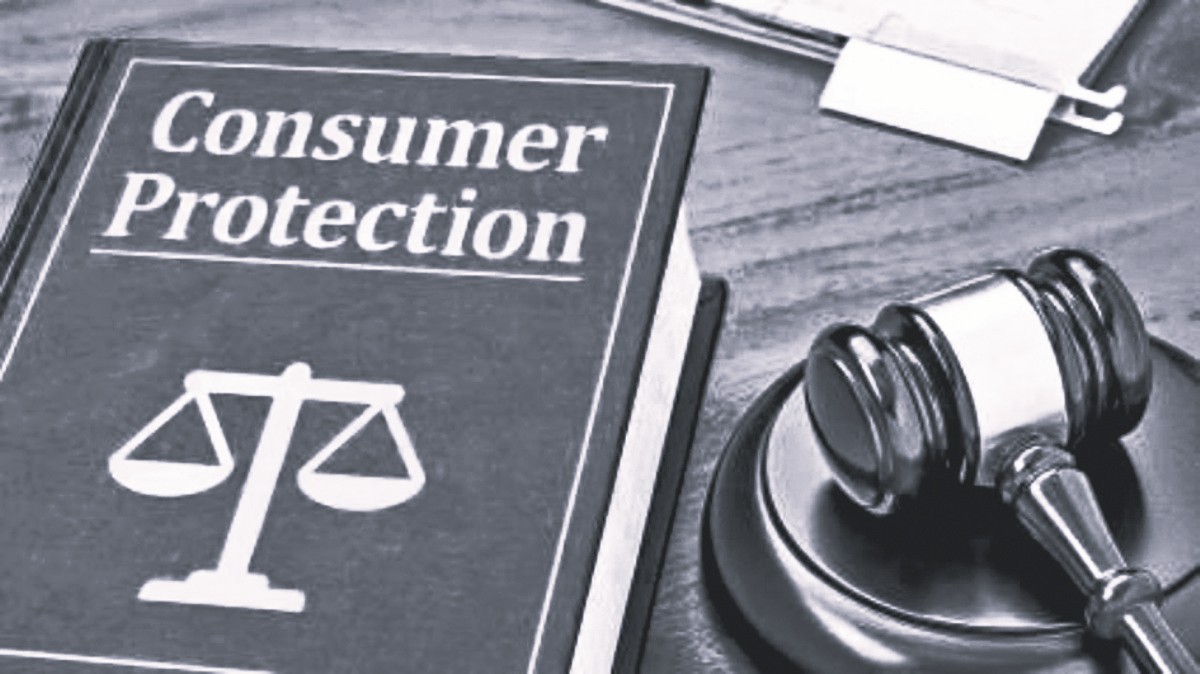
Consumer Empowerment Towards Digital Justice
Purchases have become an inherent part of our daily lives. From groceries to expensive electronic devices, and from online services to healthcare, every individual is interconnected with the market system as a consumer. In this context, the concepts of consumer rights, protection, and justice have become increasingly critical. Commemorating this idea, National Consumer Rights Day is celebrated in India every year on December 24.
This day is observed to mark the historic occasion of December 24, 1986, when the Consumer Protection Act received Presidential assent. The primary objectives of this day are to raise awareness about consumer rights, sensitize the public against fraudulent business practices, and build a responsible market ecosystem.
Consumer Rights - The Foundation of a Democratic Market
The perception that the consumer is the "weak link" was once widespread. However, this changed significantly after the implementation of consumer protection laws. There are several vital rights granted to consumers in India:
• Right to Safety- Protection against hazardous goods.
• Right to Information- Knowing the quality, quantity, and price of products.
• Right to Choose- Access to a variety of goods at competitive prices.
• Right to be Heard- Ensuring consumer interests receive due consideration.
• Right to Redressal- Seeking compensation against unfair practices.
• Right to Consumer Awareness - Acquiring knowledge to be an informed consumer.
These rights are not merely legal jargon; they are essential tools for consumers to live with dignity. They play a pivotal role in reducing losses caused by purchases made without proper information, low-quality products, and misleading advertisements.
2025 Theme - Digital Justice and Rapid Resolution
The theme for National Consumer Rights Day 2025 is "Effective and Speedy Case Disposal through Digital Judiciary." This theme reflects India's clear resolve to transition the consumer judicial system toward digital governance. Its main aim is to make justice accessible by leveraging technology and removing hurdles such as delays, high costs, and the requirement for physical presence.
Consumer Protection Act 2019 - A Modern Reform
To keep pace with rapidly changing market conditions, the Consumer Protection Act, 2019 was introduced, replacing the 1986 Act. It came into effect on July 20, 2020. This law not only strengthens consumer rights but also clearly defines the responsibilities of business entities.
Under this Act, a three-tier system has been established for dispute resolution District, State, and National Consumer Dispute Redressal Commissions. Jurisdiction is determined based on the value of the case, making justice more accessible to the common man.
Speed in Case Disposal - A New Direction in 2025
Notably, in July 2025, ten states and the National Consumer Disputes Redressal Commission recorded a case disposal rate of over 100%. This means more cases were resolved than new ones filed, a testament to the increased efficiency of the judiciary.
Central Consumer Protection Authority (CCPA)
The CCPA was established to protect consumer interests collectively. Its primary responsibility is to take action against false advertisements, unfair trade practices, and misleading promotions. The CCPA has the power to penalize manufacturers as well as celebrity endorsers who participate in deceptive advertising, marking a major milestone in consumer protection.
Consumer Welfare Fund: Strengthening the Movement
The Consumer Welfare Fund plays a vital role in organizing awareness programs, research, and training. In the 2024-25 financial year, ₹38.68 crore was released to States and Union Territories, further strengthening the consumer movement.
E-Jagriti - A Digital Revolution in Consumer Justice
Launched on January 1, 2025, the E-Jagriti platform has fully digitized India's consumer judicial system. All services, from filing complaints to virtual hearings, are available on a single platform. Designed to be inclusive, it features multi-language support, voice-to-text, and chatbot assistance for the elderly and differently abled.
By November 2025, millions of cases were filed and a similar number resolved, proving the system's success. A prime example is a consumer from Tripura who had been struggling with a grievance for eight years but found justice within just five months via E-Jagriti. Receiving a refund along with compensation for mental agony highlights the strength of current consumer rights enforcement.
National Consumer Helpline (NCH) 2.0
The AI-powered NCH 2.0 is resolving complaints rapidly. It provides services in 17 languages and accepts grievances through digital platforms like WhatsApp. In 2025, refunds worth crores of rupees were facilitated, indicating growing public trust in the system.
Standards and Quality - BIS and National Test House
Organizations like the Bureau of Indian Standards (BIS) and the National Test House play a crucial role in certifying product quality. Through hallmarking, testing, and standard implementation, they ensure consumer safety.
Amendments to Legal Metrology rules in 2025 have increased price transparency. Requirements such as displaying the country of origin on imported goods and clarity in packaging norms empower consumers to make informed decisions.
National Consumer Rights Day 2025 is not just a celebration; it is a collective reflection on consumer rights. A digital judiciary, robust laws, and enlightened consumers are together building a fair and transparent market. This day reinforces the truth, An informed consumer is an empowered consumer.