
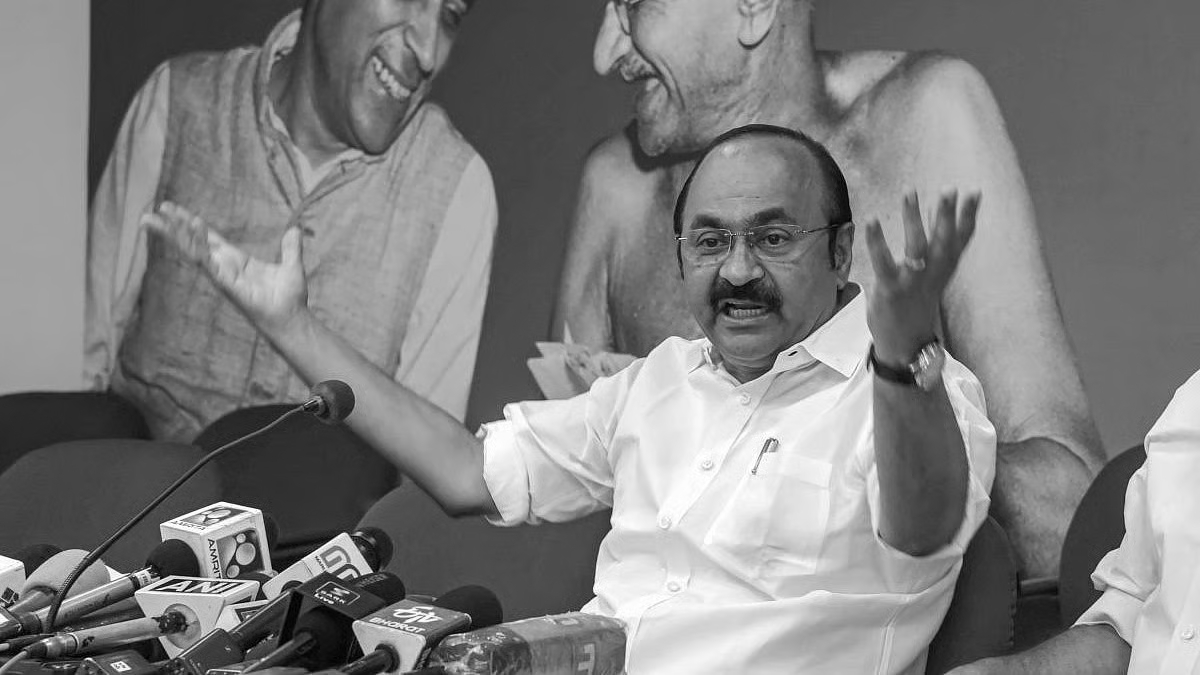
Congress to allot up to 50% seats to Women, youth in Kerala assembly polls: V D Satheesan
Leader of the Opposition in the Kerala Assembly, V D Satheesan, on Sunday said the Congress would aim to allot up to 50 per cent of the seats it contests in the upcoming Assembly elections to women and young candidates, in line with a policy direction of the All India Congress Committee (AICC) .
In an interview to a national daily, Satheesan had stated that the party was considering giving as many as half of its seats to women and youth . Clarifying his remarks to reporters here amid speculation that senior leaders could be sidelined, he said the decision reflects Congress leader Rahul Gandhi’s commitment to enhancing representation for women and young leaders and is not intended to marginalise experienced leaders.
“We are responsible for implementing this direction and we will do so,” Satheesan said, adding that the move does not amount to excluding senior leaders from the electoral process.
“There should be more opportunities for the younger generation. All of us came up the same way. Can we decide that those who come after us should not get an opportunity?” he asked.
Satheesan said the national leadership wanted to create more space for young leaders to keep the party active and relevant. “There will be changes, but that does not mean senior leaders will be denied chances,” he said, stressing that no senior leader had left the party because of the decision.
He also underlined that the experience and advice of senior leaders would continue to be valued. “Those among them who are capable of contesting will be included,” he added.
The Congress has traditionally spoken about empowering women and youth in Kerala politics, but this has largely remained limited to organisational roles, with Assembly tickets often dominated by senior male leaders. The current proposal marks a significant shift from past practice, signalling an attempt at generational and gender renewal.
However, party sources acknowledge that implementing a 50 per cent target will pose challenges, including managing expectations of sitting MLAs and senior aspirants, clearly defining who qualifies as ‘youth’, and ensuring that women and young candidates are fielded in electorally viable constituencies. The need to balance experience with renewal, along with accommodating allies within the UDF, is also expected to complicate the exercise.
Despite these challenges, the leadership maintains that the move is aimed at broadening participation rather than replacing leadership, and that careful implementation will ensure continuity alongside change.