
Congo's Ebola Outbreak Tops 2,000 Cases as Death Toll Reaches 754
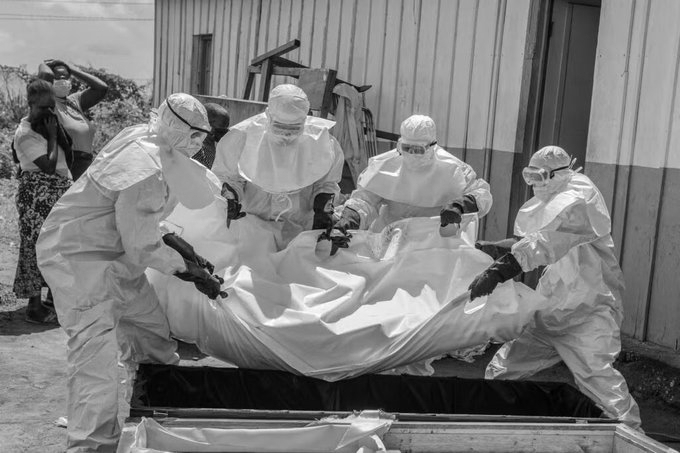
The Democratic Republic of the Congo (DRC) has reported 2,011 confirmed Ebola cases , including 754 deaths , according to the latest data released by the Ministry of Health, as authorities struggle to contain what they describe as the fastest-growing Ebola outbreak on record .
The ministry said 753 patients are currently receiving treatment in hospitals or isolation centres, while 366 people have recovered from the disease. Despite ongoing response efforts, officials acknowledged that containing the outbreak remains a major challenge, with contact tracing coverage at just 67 per cent , leaving many potential infections unmonitored.
Health experts say the outbreak is being driven by the rare Bundibugyo strain of the Ebola virus, for which there is no approved vaccine or specific treatment . The lack of proven medical tools has made the response significantly more difficult than in previous Ebola outbreaks. To address the crisis, researchers have begun clinical trials of experimental antiviral treatments in affected areas.
Authorities are particularly concerned because around 80 per cent of new infections are linked to unknown chains of transmission , while investigators have not yet identified the index patient , making it difficult to trace the source of the outbreak and prevent further spread.
The epidemic is centred in Ituri province , where ongoing armed conflict, large-scale displacement, illegal mining activities and poor access to healthcare have severely hampered surveillance and response operations. The situation has been further complicated by strikes by healthcare workers , including staff at Bunia General Hospital , over unpaid salaries.
The World Health Organization (WHO) has warned that the outbreak remains in an expansion phase , with some infected individuals dying in communities before reaching treatment facilities. The agency has also cautioned that the actual number of infections could be significantly higher than official figures due to under-detection and limited surveillance.
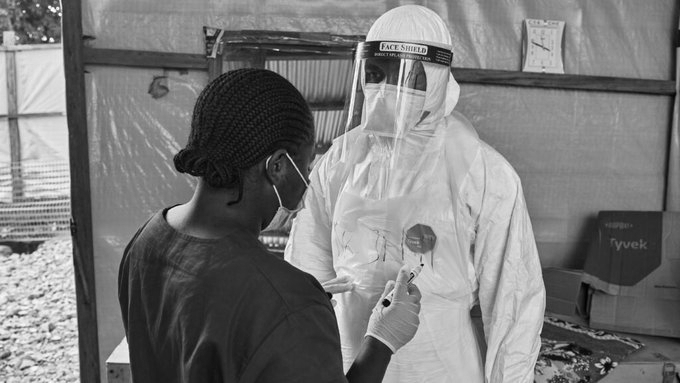
The outbreak was officially declared in May 2026 , and authorities, supported by the WHO , Africa CDC and humanitarian organisations, have intensified surveillance, laboratory testing, treatment and community awareness campaigns in an effort to curb further transmission.