
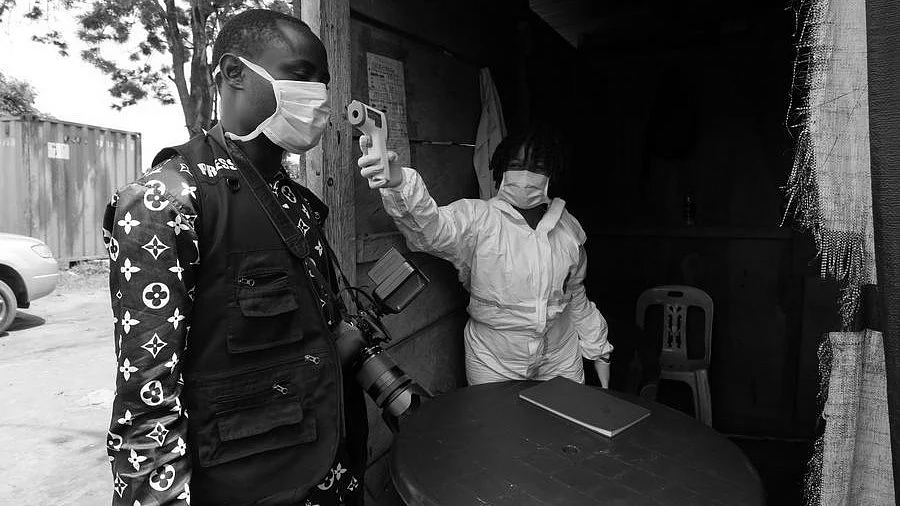
Congo’s Ebola Crisis Spirals as Angry Crowds Storm Hospitals and Cases Cross 900
As eastern Democratic Republic of Congo battles a rapidly worsening Ebola outbreak , fear and public anger are now spilling violently onto the streets and into hospitals, threatening to derail already fragile containment efforts. Authorities say suspected infections have crossed 900 cases , while official death figures remain disputed, exposing confusion and mounting pressure on the country’s overwhelmed health system.
The latest unrest erupted in Mongbwalu , one of the hardest-hit towns in Ituri province , where angry young men stormed a hospital treating Ebola patients and demanded the bodies of two relatives believed to have died from the virus. Gunfire rang out around the facility as doctors scrambled to evacuate patients and staff. The attack marked the third assault on Ebola treatment facilities within a week, reflecting growing mistrust among local communities toward authorities and foreign aid workers.
Days earlier, another Ebola centre in Rwampara was burned down after families were stopped from retrieving the body of a suspected victim. In Mongbwalu, a separate attack on a treatment tent run by Doctors Without Borders forced at least 18 suspected Ebola patients to flee, with their whereabouts still unknown. Authorities have imposed strict burial controls and banned funeral gatherings in parts of northeastern Congo, fearing traditional burial rituals could accelerate transmission of the highly contagious virus.
The outbreak involves the rare Bundibugyo strain of Ebola, for which there is currently no approved vaccine or treatment. Health officials believe the virus may have spread undetected for weeks after early tests focused on the more common Zaire strain . The World Health Organization has classified the outbreak risk within Congo as “very high,” though it says the risk of global spread remains low.
The crisis is unfolding amid chronic violence by armed groups including the Rwanda-backed M23 rebels and the Islamist-linked Allied Democratic Forces , which have displaced nearly one million people across Ituri. Aid agencies say international funding cuts have severely weakened disease surveillance and left hospitals without protective gear, testing kits and medical supplies.
Adding to concerns, the International Federation of Red Cross and Red Crescent Societies said three of its volunteers died after handling bodies in March during a mission unrelated to Ebola, suggesting the outbreak may have begun far earlier than initially believed. Health experts warn that unless security improves and aid rapidly increases, Congo could face one of its most dangerous Ebola emergencies in years.