
Congo Ebola Outbreak: Attacks, Staff Exodus Hamper Response as Death Toll Reaches 864
The Ebola outbreak in the Democratic Republic of Congo has claimed 864 lives , with authorities warning that escalating violence, staff shortages and unpaid frontline workers are severely disrupting efforts to contain the country's fastest growing Ebola epidemic on record.
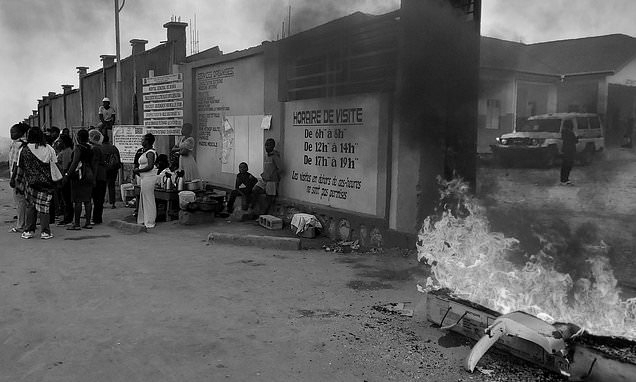
Officials said on Saturday that at least 12 attacks on health facilities and response teams have been recorded during the outbreak, which has infected 2,181 people so far. The worst affected Ituri province accounts for nearly 90 per cent of all cases, while insecurity has forced several health and humanitarian workers to leave remote outbreak hotspots and relocate to Bunia, the provincial capital.
The outbreak is being driven by the Bundibugyo strain of the Ebola virus, for which there is currently no approved vaccine or specific treatment , making surveillance, contact tracing and community cooperation crucial to containing the disease.
Speaking in Bunia, Ebola response incident manager Pierre Akilimali said many of the attacks were carried out by angry mobs that stormed treatment centres or targeted field response teams. Operations manager Dr Adelard Lufongola said health workers had been held captive in some areas, while safe burial teams continued to face threats in cemeteries and affected communities.
The latest attack occurred on Wednesday in Nyakunde after residents protested the death of a woman at a local hospital. The violence spread to a nearby Ebola treatment centre, forcing patients and staff to flee before services resumed the next day.
The outbreak response has also been weakened by strikes by unpaid health workers. UN spokesperson Stéphane Dujarric said humanitarian agencies were deeply concerned by the escalating violence, which has restricted access to treatment centres and vulnerable communities. Civil society leaders warned that continued attacks could drive more aid workers away, increasing the risk of further transmission.
Ebola spreads through direct contact with infected bodily fluids or contaminated materials. Officials said restrictions on traditional burial practices have fuelled tensions in some communities, underscoring the need for stronger security and public cooperation to bring the outbreak under control.