
CM Vijay Expands Free Bus Scheme, Announces 3 LPG Cylinders for 1.34 Crore Families
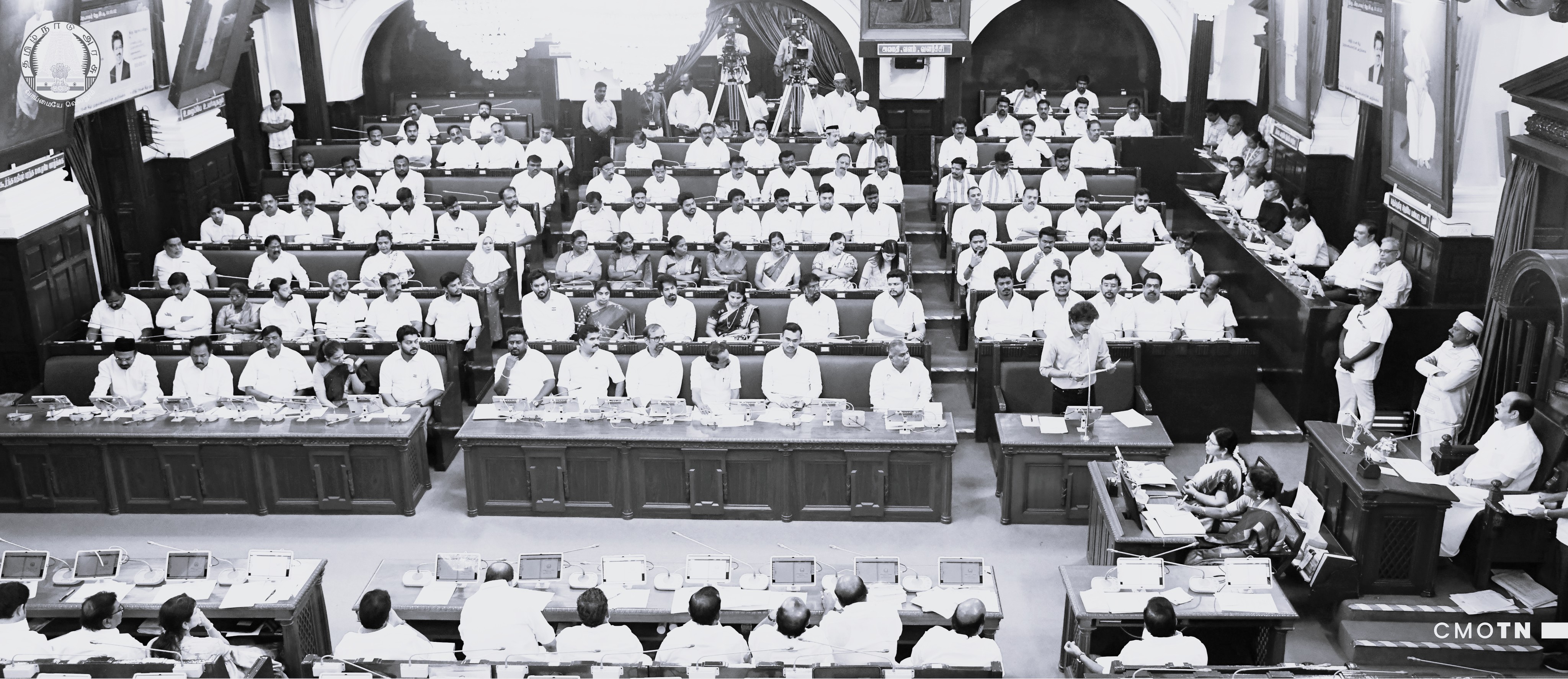
Tamil Nadu Chief Minister C Joseph Vijay on Monday unveiled a major expansion of the state’s women-centric welfare agenda, announcing wider fare-free bus travel for women and transgender persons and the first phase of a promise to provide three LPG cylinders annually to eligible families. The announcements in the Assembly mark a significant step in the Tamilaga Vettri Kazhagam (TVK) government’s effort to translate its election commitments into programmes, while also raising questions over the fiscal cost and implementation of its expanding welfare model.
The bus announcement is an expansion, not the launch of a new scheme. The previous government’s free-travel programme for women already provided fare-free journeys on eligible government buses. Vijay’s government is now widening its coverage. From October 2, 2026, women will be able to travel free on additional services, including LSS, Express and Deluxe buses in cities, while specified government services in mofussil and hill areas will also be covered. Transgender persons will be included, with no income ceiling or limit on journeys. The expanded programme is estimated to cost around ₹6,000 crore annually.
Vijay’s second major announcement was Annapoorani Super Six, under which the government will initially provide three LPG cylinders per year. Although TVK’s original election promise was for six cylinders annually, the government has chosen to implement three in the first phase. The scheme is expected to begin around Pongal in January 2027, covering about 1.30 crore families. The annual cost is estimated at ₹4,000 crore, with families earning up to ₹2.5 lakh annually forming the reported target group.
The LPG benefit is expected to operate through a Direct Benefit Transfer-style mechanism. Beneficiaries will purchase cylinders through the existing system, with the eligible amount subsequently credited to their bank accounts. The government has yet to publish the complete application, verification and reimbursement procedures, meaning details on documentation, beneficiary selection and grievance mechanisms remain pending.
The two announcements are part of a broader women-focused agenda. TVK had promised ₹2,500 monthly assistance for eligible women heads of households, along with Annan Seer Thittam, providing eight grams of gold and a silk saree to eligible brides, and Thaai Maaman Thanga Mothiram, offering a one-gram gold ring for newborns in government hospitals. The wider agenda also includes ₹15,000 annual education assistance, free sanitary pads, the Singa Pengal women’s entrepreneurship initiative and ₹38,000 crore in lending provision for women self-help groups.
Women’s safety measures include the proposed Rani Velu Nachiyar Force, Zero Dark Spots initiative and Anjalai Ammal Fast-Track Women’s Courts. Separately, the government has announced 365 days of maternity leave for women government employees having a third child, up from the earlier 12-week provision.
Together, the newly announced bus and LPG measures represent an estimated ₹10,000 crore in annual expenditure. Vijay’s women-first welfare strategy therefore combines household relief with mobility, economic empowerment, family support and safety, but its long-term test will be effective implementation and fiscal sustainability.