
CM Revanth Reddy Pushes for GSDP-Based Seat Formula in Delimitation Debate
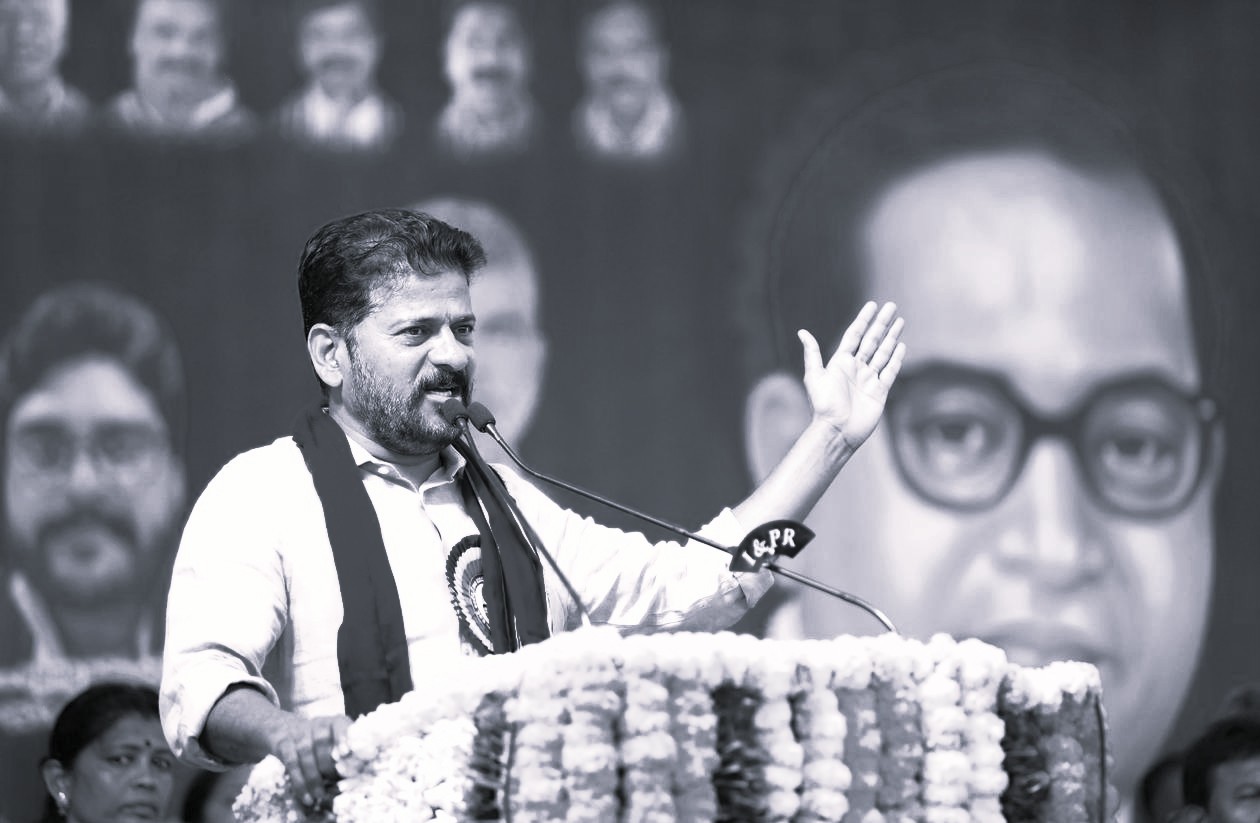
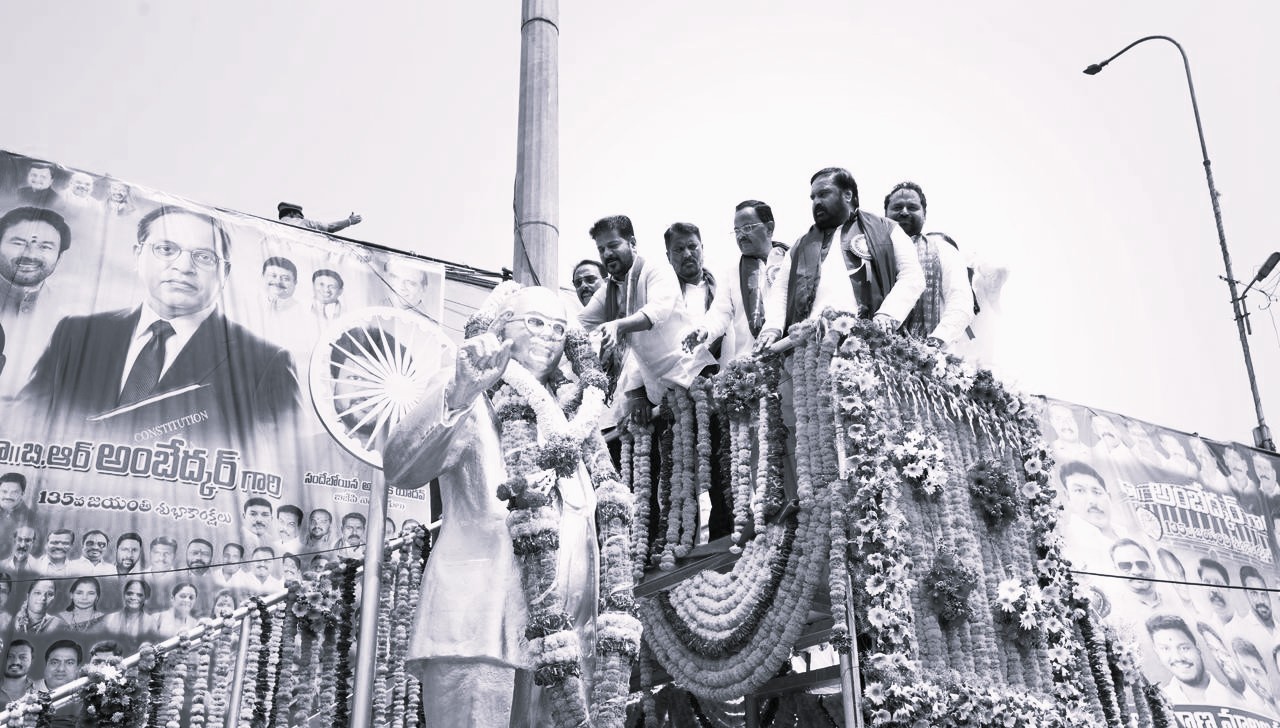
Marking the 135th birth anniversary of B. R. Ambedkar , Telangana Chief Minister Revanth Reddy used the occasion to deliver a strong political message, warning that the proposed delimitation exercise could alter India’s federalism , weaken representation , and undermine social justice . Speaking after paying tributes at Tank Bund, he argued that the Centre’s plan to expand constituencies based largely on population risks shifting political power toward northern states, while penalising southern states that have effectively managed population growth. He cautioned that such a move could widen regional disparities and reduce the voice of economically contributing states in national decision-making.
The Chief Minister also raised concerns over the impact on SC , ST , and women representation, stating that an unchecked increase in constituencies could disturb the balance of reserved seats and dilute political access for marginalised communities. While supporting women’s reservation , he opposed linking it directly with delimitation, calling it a flawed approach that could complicate implementation. Instead, he proposed a hybrid model , suggesting that seat expansion should be split between population and GSDP , ensuring that both demographic strength and economic contribution are fairly recognised. He stressed that protecting political participation is essential to realising Ambedkar’s vision of equality.
Highlighting Telangana’s governance model, Reddy pointed to initiatives such as caste enumeration , sub-categorisation , and the expansion of integrated schools aimed at reducing social inequalities through education. He noted that a large share of government jobs and housing schemes have been allocated to weaker sections, reinforcing the state’s commitment to inclusive growth. Drawing from Telangana’s formation under constitutional provisions, he emphasised that the ongoing debate is not merely administrative but a defining moment for India’s democratic structure. Calling for consensus , he urged the Centre to engage all states and political parties before proceeding, asserting that the future of representation must be shaped through dialogue, not unilateral decisions.