

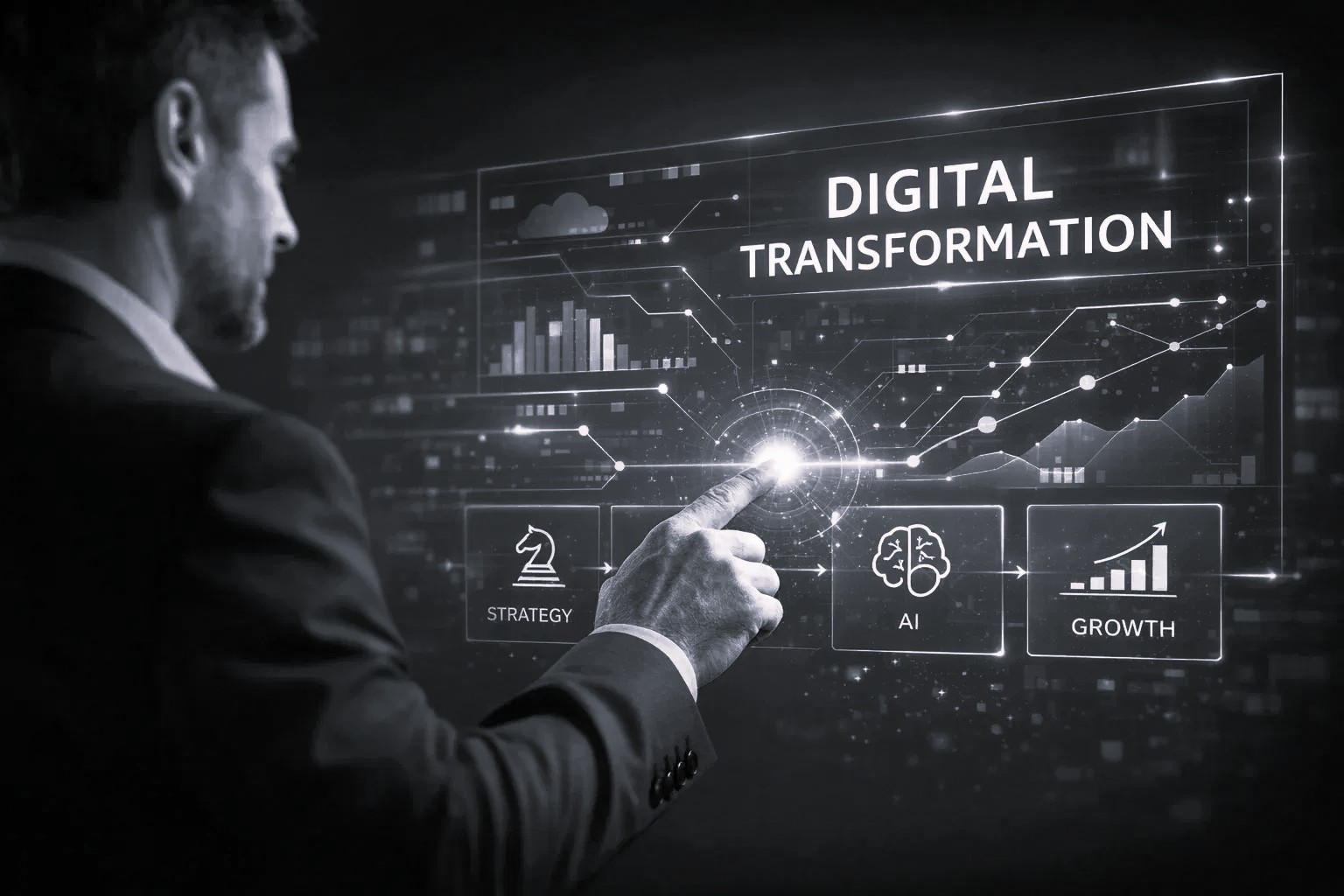
Click, Register, Grow: The New Face of Business in Digital India
A decade ago, starting a business in India often meant navigating a maze of paperwork, approvals, and endless queues. Today, that same journey can begin with a few clicks. This dramatic shift did not happen overnight. It is the result of a sustained push to digitize governance, simplify regulations, and build a business ecosystem where speed, transparency, and efficiency are no longer aspirations but everyday realities.
India is now witnessing a silent but powerful transformation one where technology is reshaping not just how businesses operate, but how the state interacts with enterprise.
From Files to Platforms
The biggest change lies in how the system itself functions. What once depended on multiple departments and manual intervention has now been consolidated into digital platforms.
Entrepreneurs no longer need to visit several offices to register a company or secure approvals. Systems like integrated online portals and single-window mechanisms have turned complex processes into streamlined workflows. The result is simple yet significant: less time, lower costs, and fewer uncertainties .
Building Trust Through Technology
At the core of this transformation is a new approach to governance—one that prioritizes transparency and accountability. Digital platforms handling corporate filings and compliance have introduced features like automated scrutiny, real-time monitoring, and secure data systems.
These are not just technical upgrades; they are trust-building mechanisms. Businesses today operate in an environment where processes are clearly defined, digitally tracked, and less prone to delays or discretion.
MSMEs Step Into the Formal Economy
Perhaps the most visible impact of these reforms is in the MSME sector. For decades, small businesses operated on the margins, constrained by complex registration systems and limited access to formal benefits.
That barrier has largely been dismantled. With paperless, self-declaration-based registration systems linked to tax databases, millions of enterprises have entered the formal economy. This shift has unlocked access to credit, government schemes, and wider markets fueling both growth and employment.
States Turn Reform Into Competition
India’s federal structure has added another layer to this transformation. States are no longer passive participants; they are active competitors in improving business conditions.
From faster approvals and digital land systems to simplified labour compliance and environmental clearances, several states have introduced innovations tailored to investor needs. These efforts are now extending beyond capitals into districts, ensuring that reforms are felt at the grassroots level.
Starting a Business, Simplified
One of the most striking changes is how quickly a company can now be set up. What used to take weeks can often be completed in days or even hours through unified digital forms that combine multiple approvals into a single process. This integration has removed duplication, reduced paperwork, and made entrepreneurship far more accessible, especially for first-time founders.
A Seamless Tax and Trade Network
India’s digital push has also redefined taxation and trade. The introduction of a unified tax system has replaced fragmented structures, creating a single nationwide framework supported by a powerful digital backbone.
Transporting goods across states, once slowed by checkpoints and paperwork, has become faster and more predictable with electronic documentation systems. Similarly, export and import processes have moved online, reducing delays and improving efficiency.
Financing, Logistics, and Market Access Reimagined
Access to finance especially for small businesses has improved through digital platforms that allow quicker realization of payments and better liquidity management. At the same time, logistics is becoming smarter. Integrated planning tools, real-time tracking systems, and coordinated infrastructure development are reducing inefficiencies across supply chains.
Digital marketplaces have also opened new doors. Government procurement is now online, while emerging open-commerce networks are helping small businesses compete in a space once dominated by large platforms.
The Payments Revolution
If there is one symbol of India’s digital leap, it is instant mobile payments. From street vendors to large enterprises, the ability to transact in real time has transformed everyday commerce. What was once a cash-driven economy is now increasingly digital, formal, and traceable bringing millions into the financial mainstream.
Beyond Convenience: A Structural Shift
What makes India’s transformation unique is its scale. These are not isolated reforms they are interconnected systems working together. Digital identity, payments, document storage, and data-sharing frameworks are creating a unified ecosystem where businesses can operate seamlessly across sectors and regions.
The Bigger Picture
Taken together, these changes mark more than administrative improvement they signal a deeper economic shift. Businesses today face fewer entry barriers, operate with greater clarity, and scale with more confidence. For investors, this means predictability. For entrepreneurs, it means opportunity. And for the economy, it means momentum.
India’s business environment is no longer defined by its past complexities, but by its evolving digital strength. As these reforms continue to deepen, the country is steadily positioning itself not just as a large market but as a modern, efficient, and globally competitive business destination .