
CJP Vs Centre: FIR Dispute Intensifies As Supreme Court Steps In
The Cockroach Janta Party (CJP) on Tuesday warned the Centre that it could revive its nationwide agitation if the government fails to act on assurances given to protesters regarding withdrawal of FIRs and compensation for affected families.
CJP chief spokesperson Saurav Das said the Centre had not committed before the Supreme Court to providing a list of FIRs registered against students and protesters, despite repeated queries from the bench.
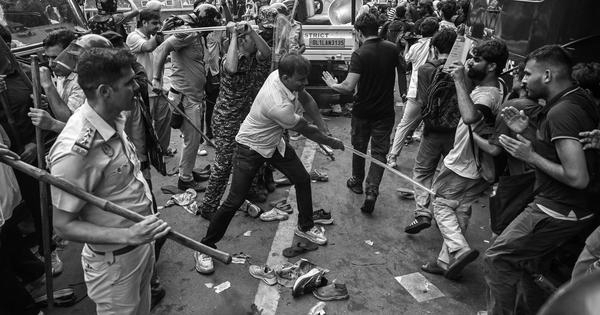
The Supreme Court was hearing petitions concerning alleged police excesses against student protesters and violence against police personnel during the July 20 incident in and around Jantar Mantar.
According to Das, petitioners, represented by lawyer Vrinda Grover, urged the court to invoke Article 142 to consider quashing FIRs against protesters across the country. He said the court asked the government three times to provide the list.
The CJP has said it called off its nationwide agitation on July 25 after the government assured protesters that FIRs would be withdrawn, peaceful protesters would be protected from punitive action and affected families would receive compensation.
“If the government does not immediately demonstrate concrete steps towards honouring the July 25 commitments,” Das said, the CJP's National Working Committee would meet within two days to decide its next course of action.
CJP legal affairs head Ratna Singh said the last meeting with the government delegation took place on August 2 and claimed there had been no response to requests for another meeting.
The CJP has also demanded representation on the high-powered committee proposed by the Supreme Court to examine allegations of police excesses, violence against police personnel, sexual assault and online harassment of women protesters.
The bench headed by Chief Justice Surya Kant, along with Justices Joymalya Bagchi and V Mohana, said the panel would include retired judges, a former DGP and a former CBI director.
The CJP also raised concerns over facial recognition technology and CCTV surveillance during the protests. Das claimed around 2,800 people had been identified as “hardened criminals”, arguing their cases should be treated separately from those of peaceful protesters.
The organisation said its next move would depend on the Centre's response.