
CJI Surya Kant Clarifies ‘Parasites’ Remark After Political Row and Media Backlash
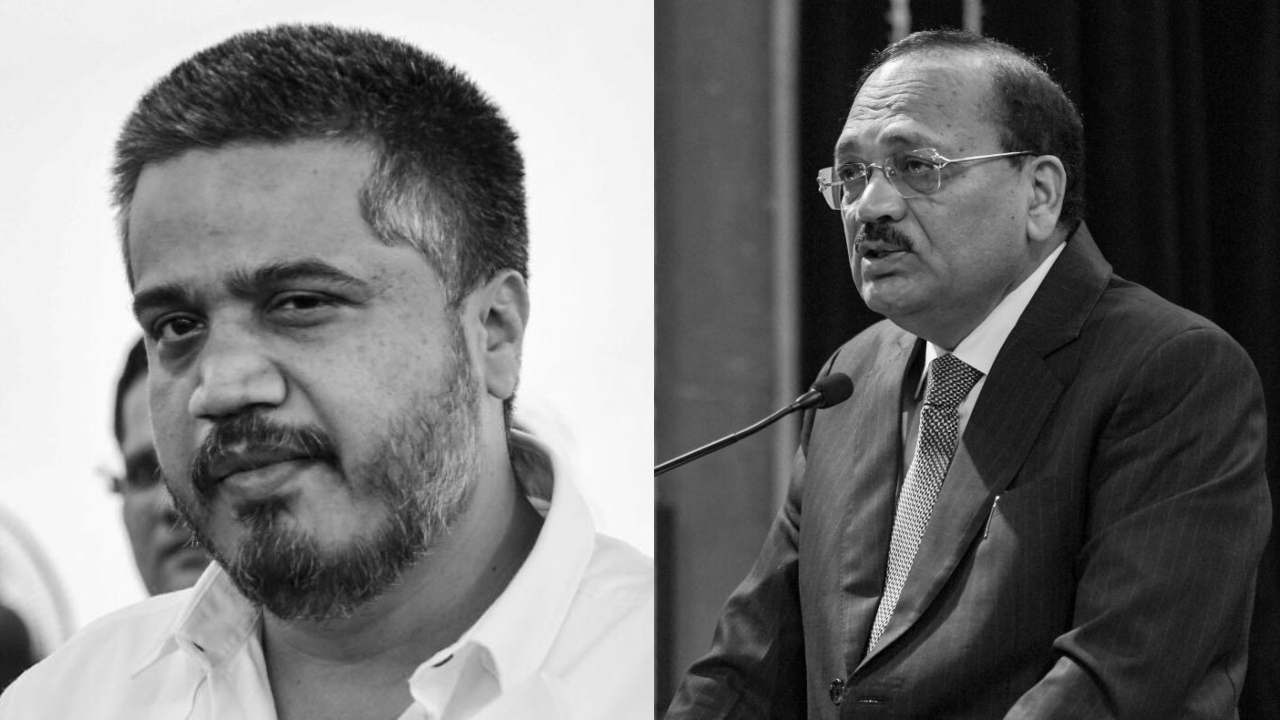
A political and legal controversy erupted on Saturday after NCP (SP) leader Rohit Pawar criticised Chief Justice of India Surya Kant over remarks in which he used terms like “parasites” and “cockroaches” during a court hearing. As the debate intensified, the CJI later issued a clarification, stating that his comments were being misquoted and were never aimed at India’s youth.
The controversy began on Friday during a hearing before a bench comprising CJI Surya Kant and Justice Joymalya Bagchi . The court was hearing a plea related to the conferment of senior advocate designation when the bench pulled up a lawyer for aggressively pursuing the matter.
During the proceedings, the CJI remarked that society already had enough “parasites” attacking institutions. He further observed that some individuals with “fake and bogus degrees” enter professions such as law, media, and social media activism and later begin targeting the system. The use of words like “parasites” and “cockroaches” quickly triggered backlash and political reactions.
Among the strongest critics was Rohit Pawar , who called the remarks “deeply hurtful” and “absolutely unacceptable.” The Karjat Jamkhed MLA said comparing unemployed youth, RTI activists, journalists, and dissenting voices to parasites reflected intolerance towards criticism and questioning.
Pawar argued that India’s youth are not unemployed by choice, but are victims of economic distress, policy failures, and shrinking opportunities . He said students, RTI activists, and journalists questioning authority strengthen democracy rather than weaken it.
As the controversy grew, CJI Surya Kant released a strongly worded clarification on Saturday evening. “I am pained to read how a section of the media has misquoted my oral observations,” he said.
The CJI clarified that his remarks were specifically directed at people entering professions through fake qualifications and not at unemployed youth. “It is totally baseless to suggest that I criticised the youth of our nation,” he stated.
Expressing confidence in young Indians, Justice Kant said the youth of the country inspire him and are the “pillars of a developed India.”
The episode has now sparked a wider debate around judicial language, media interpretation, criticism of institutions, and growing concerns over unemployment among the youth.