
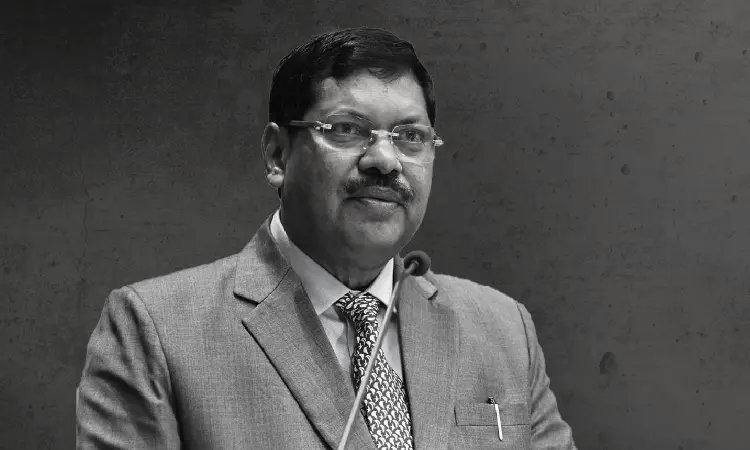
CJI Gavai reiterates creamy layer stand during 75th constitution anniversary event, refers to Madras HC ruling
During the national celebrations marking 75 years of the Indian Constitution, Chief Justice of India BR Gavai restated his long-held view that the creamy layer principle should apply to Scheduled Caste (SC) reservations, a position that has remained one of the most debated subjects in India’s affirmative action framework. Speaking at the programme “India and the Living Indian Constitution at 75 Years” , the CJI said that socially advanced families within SC communities cannot be placed on the same footing as those still facing extreme deprivation. He noted that children of IAS officers cannot be equated with children of poor agricultural labourers, reiterating that the logic applied to OBC reservations through the Indra Sawhney judgment should extend to SCs as well.
Justice Gavai acknowledged that his view has been heavily criticised but emphasised that judges are not required to justify their decisions once delivered. As he approaches retirement, he said he continues to stand firmly by his interpretation. His comments revived the ongoing national debate over whether reservations should prioritise those who remain socially and economically vulnerable, or whether applying the creamy layer to SCs could dilute protections originally designed to counter deep-rooted discrimination.
He also referred to a recent Madras High Court ruling where the court ruled against the Tamil Nadu government on a reservation-related matter, reinforcing the judiciary’s commitment to upholding constitutional equality. This reference was made to highlight how courts continue to navigate the complexities of reservation policy and ensure that constitutional principles are followed regardless of political considerations.
Addressing the broader theme of the Constitution’s evolution over 75 years, Justice Gavai said Dr BR Ambedkar envisioned the document as a living, adaptable framework capable of responding to the country’s changing realities. He spoke of the essential balance between equality, liberty and fraternity, and credited the Constitution for enabling significant social mobility in India including his own rise from a humble background to the highest office in the judiciary.
His remarks, delivered just days before his retirement, have once again pushed the creamy layer issue into the national spotlight. With legal and political stakeholders watching closely, the question of who truly deserves reservation benefits is set to remain at the forefront of India’s constitutional discourse.