
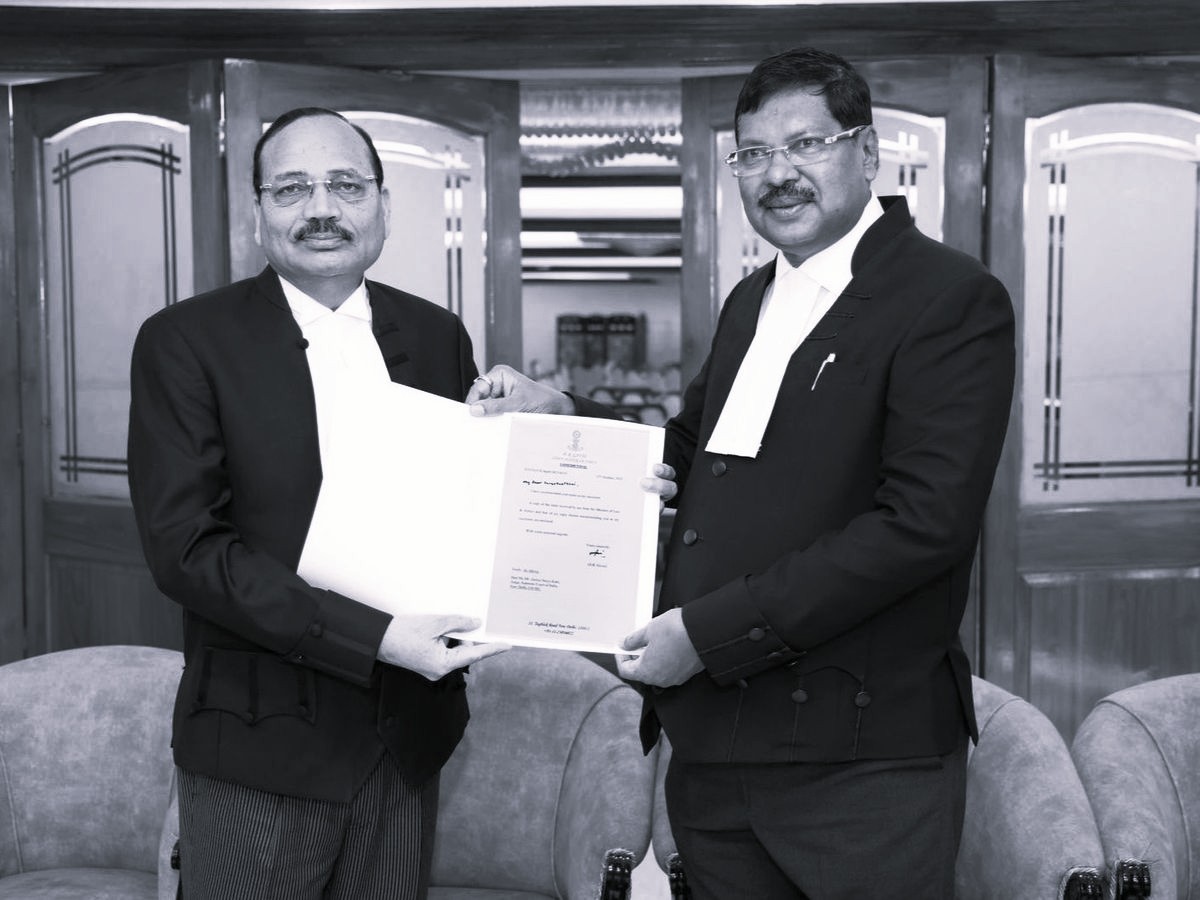
CJI Gavai ends tenure with strong judicial legacy - Justice Surya Kant takes oath on Monday
Justice Bhushan Ramkrishna Gavai, the 52nd Chief Justice of India, demitted office on November 23, 2025, after a transformative six-month tenure marked by a commitment to inclusivity, judicial reform, and impactful judgments. Sworn in on May 14, 2025, Justice Gavai became the first Buddhist and only the second Dalit to hold the highest judicial office in India. His tenure stood out particularly for advancing diversity in the judiciary; the Supreme Court collegium under his leadership recommended 129 appointments to various high courts, of which 93 were approved by the government. These appointments included 10 judges from Scheduled Castes, 11 from Other Backward Classes, 13 from minority communities, and 15 women judges. Notably, 49 appointees came from the Bar, while the rest were from the judicial service cadre, with some appointments raising discussions about familial representation.
Justice Gavai also oversaw the elevation of five judges to the Supreme Court: Justices NV Anjaria, Vijay Bishnoi, AS Chandurkar, Alok Aradhe, and Vipul Manubhai Pancholi. Despite his short tenure, he presided over several landmark rulings that demonstrated his judicial philosophy centered on constitutional propriety and balance between governance and legal oversight. Important decisions included staying key provisions of the Waqf (Amendment) Act, striking down sections of the Tribunals Reforms Act, and permitting post-facto environmental clearances under exceptional circumstances. He was also part of the Constitution Bench that struck down the Electoral Bonds Scheme, emphasizing citizens' right to transparency in political funding, and upheld the 2016 demonetization policy.
Other significant judgments included protecting due process against arbitrary bulldozer demolitions, supporting sub-categorization within Scheduled Castes to target benefits more effectively, clarifying the limits on Governor and President assent powers, and guiding insolvency law in the Bhushan Power & Steel case by affirming liquidation should not be the default outcome.
Throughout his career spanning over four decades, including 18 years as an advocate and 22 years as a judge, Justice Gavai was known for his humble and compassionate demeanor inspired by Babasaheb Ambedkar’s principles of justice, equality, and liberty. He frequently emphasized constitutional dignity and became a strong voice for judicial independence, as seen in his critique of government overreach in tribunal appointments and his firm stand against “bulldozer justice.”
As he concluded his tenure, Justice Gavai expressed a deep sense of satisfaction and contentment. He left the Supreme Court with a legacy defined by inclusion, reform, and an ethical clarity that included declining any post-retirement government appointments. Justice Surya Kant will take oath as the next Chief Justice of India on November 24, 2025, continuing the judicial leadership after Justice Gavai’s impactful term.