
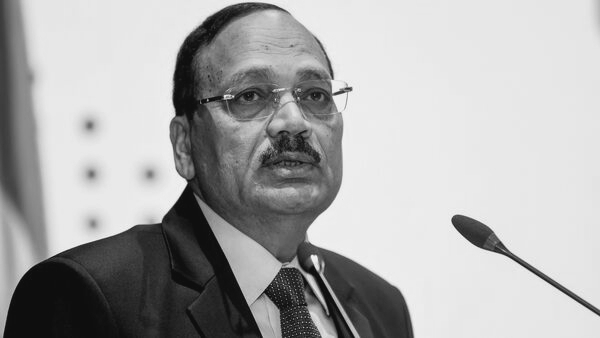
CJI Flags Trust, Capacity Gaps in Institutional Arbitration
Chief Justice of India Surya Kant on Saturday said that while India’s arbitration framework has matured considerably, significant challenges remain in strengthening institutional arbitration , building trust, and developing a robust pool of trained professionals.
Speaking after laying the foundation stone for the Gujarat High Court Arbitration Centre (GHAC) in Ahmedabad, the CJI said India must benchmark itself against leading global arbitral seats and the expectations of parties who choose arbitration as a faster and more efficient alternative to conventional litigation. He referred to Gujarat Chief Minister Bhupendra Patel’s remarks highlighting the growing relevance of institutional arbitration in a state known for industrial and technological growth.
The CJI noted that legislative reforms to the Arbitration and Conciliation Act, 1996 have emphasised minimal judicial intervention, time-bound proceedings and neutrality in appointments, while judicial pronouncements have reinforced party autonomy. However, he cautioned that institutional arbitration still accounts for a relatively small share of commercial dispute resolution in India, with many parties continuing to prefer ad hoc arbitration or foreign arbitral centres.
Raising the first challenge, trust Justice Surya Kant said institutional mechanisms must inspire confidence in the neutrality of arbitrator appointments, procedural integrity and enforcement of awards. Such trust, he observed, is built not merely through statutory provisions but through consistent and transparent practice.
The second concern, he said, relates to capacity , pointing out that the number of institutional arbitrations remains disproportionately low compared to the volume of commercial disputes generated in the country. Infrastructure, professional case management systems and competent administrative support are essential to make institutions relevant and credible.
The third and most consequential challenge, according to the CJI, is professionalisation . Arbitration, he said, demands specialised legal expertise, case management skills and sensitivity to commercial realities. India must invest in structured training and develop a coherent pipeline of qualified arbitrators to ensure quality keeps pace with institutional growth.
The upcoming GHAC building will house 16 arbitration conference rooms, seven mediation rooms and an online dispute resolution system , catering to both domestic and international disputes. The centre also hosted a two-day conference on “Institutional Arbitration at Crossroads: Challenges and the Way Forward”, bringing together key stakeholders to deliberate on strengthening India’s arbitration ecosystem.