
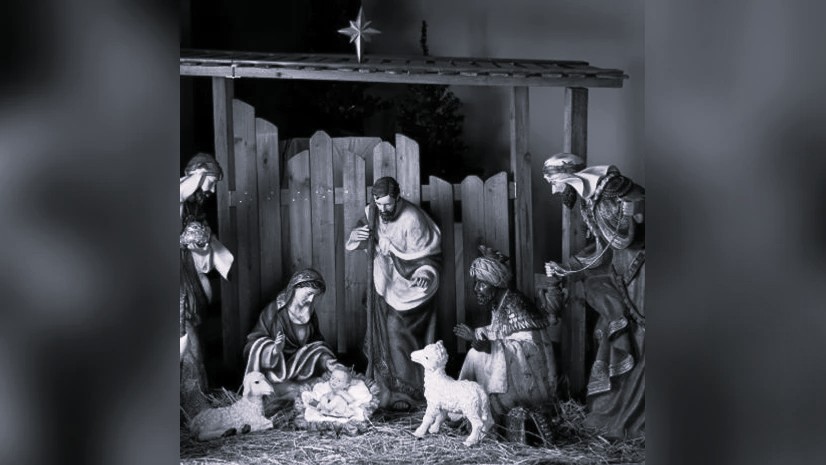
Christmas Festival: A Symbol of Love, Peace, and Humanity
Christmas is one of the major festivals celebrated with great devotion and joy by billions of people worldwide. Celebrated on December 25th, this day is holiest for Christians as it marks the birth of Jesus Christ. Over time, it has evolved from a purely religious observance into a global festival reflecting universal values like love, compassion, peace, and the spirit of service.
The Essence of Christmas
Christmas is observed to commemorate the birth of Jesus Christ. According to Christian faith, Jesus is the Son of God who came into this world to liberate humanity from sin and to show the path of love, forgiveness, and service. His teachings of loving one's enemies, acting with kindness, and helping the poor, form the very soul of Christmas.
The festival delivers a powerful message:
Even in a world filled with hatred, violence, and inequality, human society can flourish if we live with love and peace. This is why people exchange greetings and gifts on Christmas, spreading joy among one another.
Traditions and Observances
Celebrations begin as early as the first Sunday of December, followed by the "Christmastide" season. Historically, in Western countries, this period lasts twelve days, ending on the twelfth night. In many nations, Christmas is a public holiday. While Christians observe it religiously, many non-Christians celebrate it as a cultural festival, making it an integral part of the global annual holiday season.
Who is Jesus Christ?
Jesus Christ was born approximately two thousand years ago in the small town of Bethlehem to Mary and Joseph. According to Biblical accounts, Jesus was born in a manger (a stable for animals) because there was no room for them in the local inns. Angels announced this glad tiding to shepherds, who then spread the news to others.
While there are various opinions regarding his exact birth date, the Christian Church fixed December 25th as his birthday in the early fourth century. This date coincided with the winter solstice in the Roman Empire and occurs nine months after the Annunciation (March 25th).
Most Christians follow the Gregorian calendar and celebrate on December 25th, while some Eastern Orthodox churches follow the Julian calendar, which places the celebration on January 7th. For believers, the spiritual significance. God coming to Earth in human form to redeem humanity, is more important than the specific date.
Jesus’s life exemplified humility. Throughout his life, he championed love, sacrifice, and forgiveness, reaching out specifically to the poor, the sick, and the marginalized. Though his life ended in crucifixion, Christians believe his sacrifice provides the path to salvation for mankind.
How is Christmas Celebrated?
The festivities begin on the night of December 24th, known as Christmas Eve. Churches hold special midnight masses and carol services. Homes and churches are decorated with colorful lights, stars, and Christmas Trees, which symbolize hope and joy.
The legend of Santa Claus originated from the historical figure of Saint Nicholas , a 4th-century bishop renowned for his secret acts of kindness and generosity toward the poor. Over the centuries, his legacy evolved into the iconic figure we know today, becoming an integral symbol of the Christmas spirit by personifying the joy of selfless giving and the magic of childhood wonder.
Christmas in India
India is a secular country where people of all faiths participate in Christmas joy. Significant celebrations are seen in Goa, Kerala, Tamil Nadu, Andhra Pradesh, Telangana, and the Northeast states. Indian celebrations often blend local traditions such as singing carols in regional languages and wearing traditional attire to church reflecting the country’s rich cultural diversity.
The Significance of Santa Claus and Gifting
Santa Claus is based on the historical figure of Saint Nicholas, a 3rd-century Christian bishop from Myra (modern-day Turkey). Known for his secret gift-giving and kindness toward the poor and children, his legacy evolved into the modern Santa Claus.
Why do we give gifts?
Biblical Roots,The Three Wise Men (Magi) brought gifts of gold, frankincense, and myrrh to the infant Jesus. St. Nicholas’s Legacy- His tradition of helping the needy established the custom of gifting. A Token of Love- Gifting is a way to express affection and share happiness.
Ultimately, the message of Christmas is that "there is joy in giving." It is a time for introspection, asking ourselves if we are helping those in need. The true Christmas spirit lies not just in decorations, but in decorating our hearts with love and compassion.