
China's Moon Leap: ‘Shenzhou 23’ Lifts Off With One of Three Astronauts Set for a Yearlong Stay
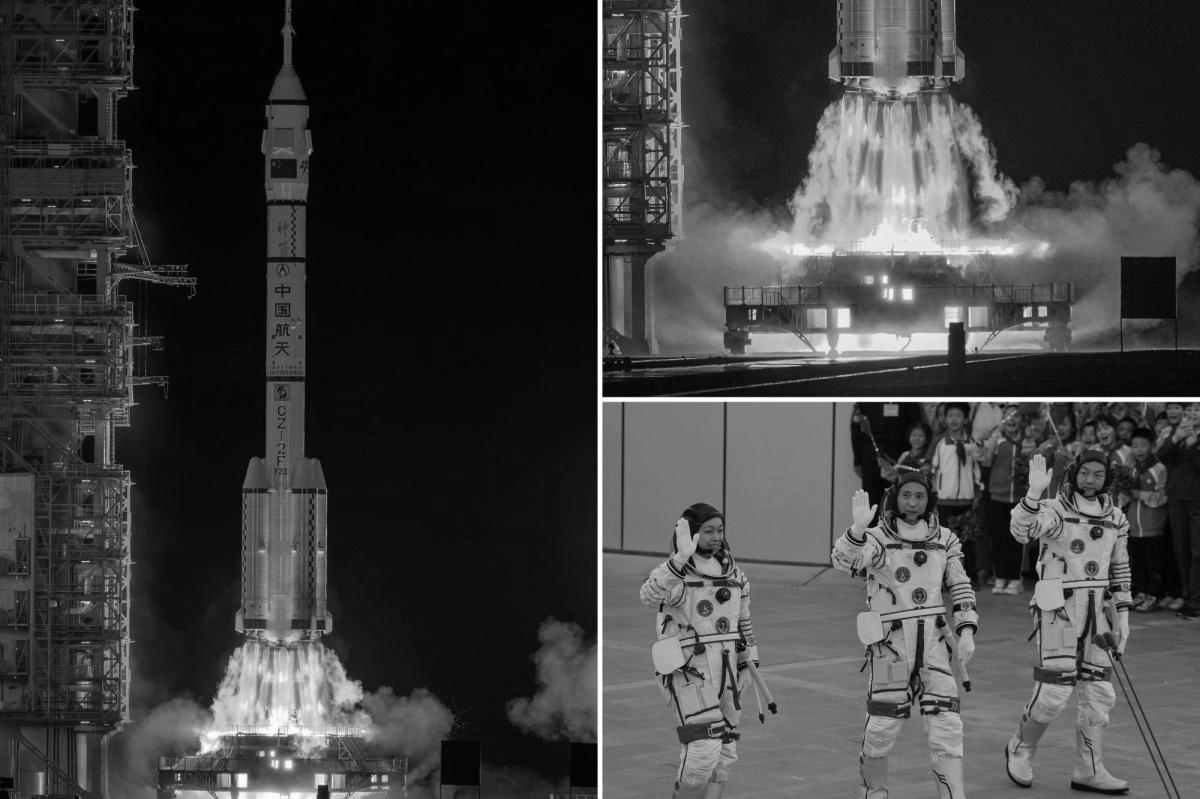
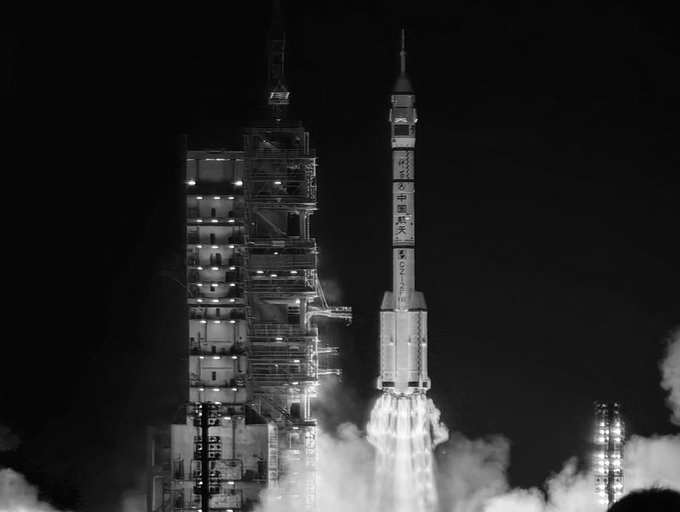
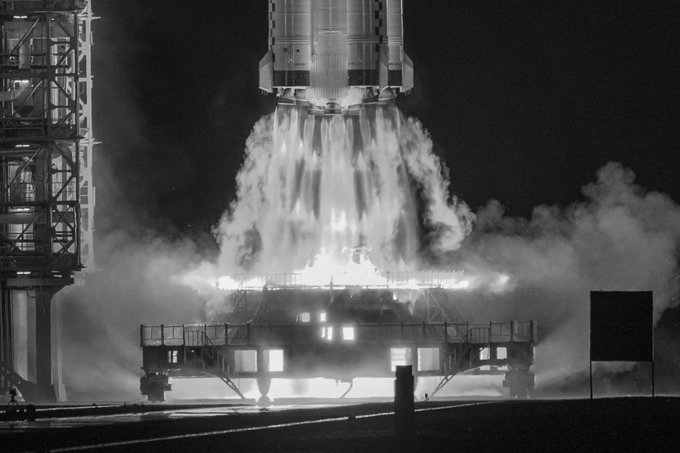
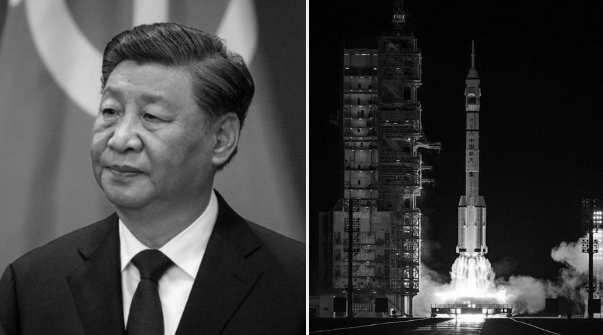
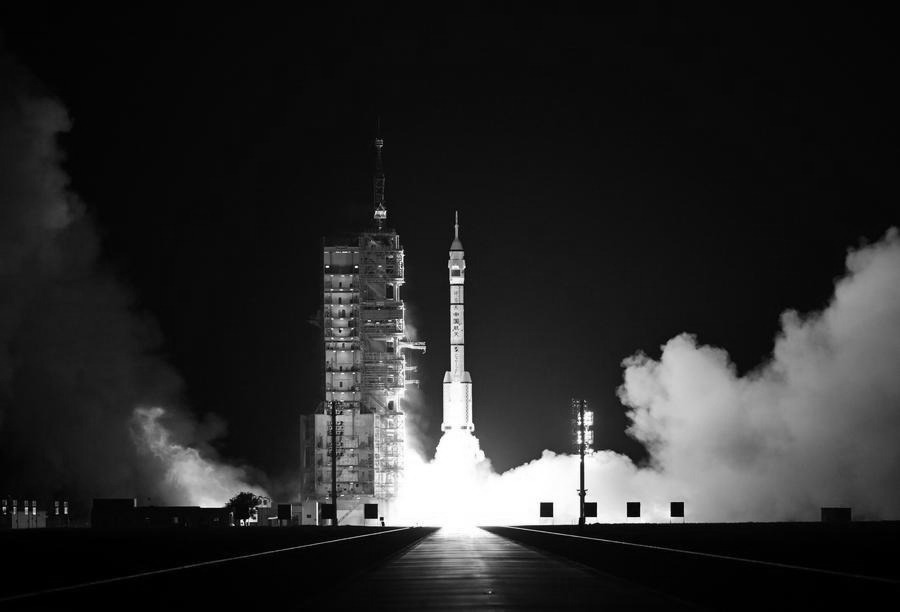
In a blaze of fire and ambition, China launched the Shenzhou 23 spacecraft on Sunday night, sending three astronauts hurtling toward its Tiangong space station in a mission that carries far more weight than a routine crew rotation. The Long March 2F rocket blasted off on schedule at 11:08 p.m. from the Jiuquan Satellite Launch Centre in China’s northwestern Gobi Desert, with the spacecraft successfully docking with the orbiting station early Monday.
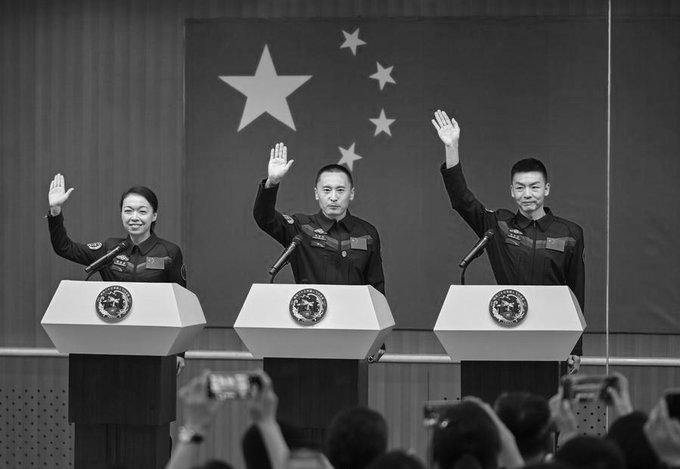
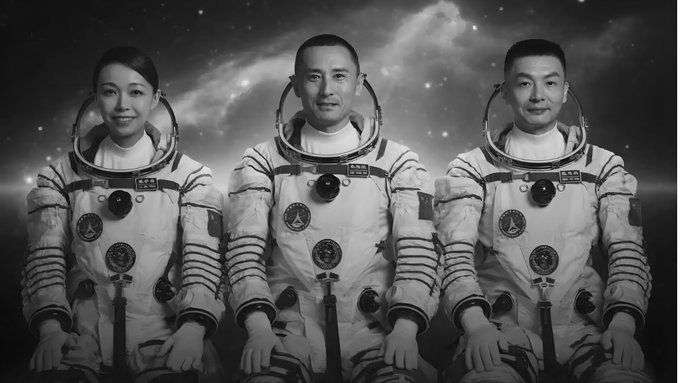
The crew includes mission commander Zhu Yangzhu, 39, a seasoned space engineer ; Zhang Zhiyuan, also 39, a former People’s Liberation Army Air Force pilot making his maiden voyage into space; and Li Jiaying, 43, who has made history as the first astronaut from Hong Kong to fly a Chinese space mission. Li, who holds a doctorate in computer forensics , represents the growing diversity and sophistication of China’s astronaut corps.
Yet the real significance of the mission lies not merely in who is aboard, but in how long they intend to remain there. During this expedition, a Chinese astronaut is expected to spend an entire year in orbit aboard Tiangong , marking a critical milestone in China’s long term lunar ambitions . The endurance mission aims to study the physiological and psychological effects of prolonged space habitation, research considered essential for future crewed journeys to the Moon and potentially beyond.
The crew will also carry out an in orbit rotation with the astronauts of Shenzhou 21 , who have already spent more than 200 days aboard the station. The launch marks the 40th mission in China’s human spaceflight history and the seventh crewed mission since the operational phase of the Tiangong programme began.
The Tiangong , meaning “Heavenly Palace,” has remained continuously inhabited since 2021 , underscoring China’s emergence as a major independent space power. Beijing was effectively excluded from participation in the International Space Station due to United States national security restrictions , a setback that instead accelerated its determination to build a self reliant orbital programme .
China’s broader lunar programme is now advancing rapidly. Key technologies for a future Moon landing, including the Long March 10 super heavy rocket, the Lanyue lunar lander, and next generation lunar spacesuits , have entered early development stages. Chinese planners expect the Lanyue lander to conduct its first robotic test mission in 2027 , followed by a crewed test mission around 2028 or 2029 , with the first Chinese astronauts potentially stepping onto the lunar surface by 2030 .
According to the China Manned Space Agency, the Tiangong programme serves three major goals: developing an experienced astronaut corps, refining life support systems for deep space travel, and testing long duration operational readiness. China has also signed agreements with Pakistan to train and eventually host foreign astronauts aboard the station, marking the first international collaboration on Tiangong.
Hovering in the background is the intensifying strategic rivalry with the United States. NASA’s Artemis programme aims to return astronauts to the Moon by 2028 , two years ahead of China’s publicly stated target. However, analysts increasingly point to China’s methodical pace of launches, uninterrupted station occupancy, and expanding technological ecosystem as signs of a programme that is maturing with remarkable consistency.
As the “Divine Vessel” circles the Earth above, the contest unfolding in orbit is becoming about far more than scientific prestige. It is increasingly a race to define who shapes humanity’s future beyond Earth .