
China’s exports to U.S. drop amid tariff pressures
Exports from China to the United States have experienced a significant decline, with September shipments dropping 27 percent compared to the same period last year. In contrast, Chinese exports to the rest of the world reached a six-month high during the same period. According to customs data released on Monday, China’s global exports totaled $328.5 billion, marking an 8.3 percent increase compared to the previous year. This growth exceeded economists’ expectations, with August figures recording a 4.4 percent rise. Imports also grew by 7.4 percent, a substantial increase over the 1.3 percent growth reported in August. Analysts note that domestic economic weaknesses and a slowdown in the real estate sector continue to affect both exports and imports.
Six-month decline to the U.S. Exports from China to the United States have been declining for six consecutive months, falling by 33 percent in August alone. The decline has been largely attributed to the trade policies of U.S. President Donald Trump, including new tariffs and other retaliatory measures aimed at encouraging manufacturers to relocate to the United States. In response, China has sought to expand its exports to other regions. In September, Chinese exports increased by 15.6 percent to Southeast Asia, 15 percent to Latin America, and 56 percent to Africa.
Wang Jun, Vice Minister of the Chinese Customs Agency, described the situation as complex, highlighting growing uncertainties and challenges in global trade. He emphasized the need for further efforts to stabilize trade in the fourth quarter. Gary Ng, a senior economist at Natixis, noted that while Chinese exports remain strong due to lower prices and limited alternatives, export controls pose a more significant concern than tariff increases. He warned that increasing restrictions on supply chains could have long-term consequences.
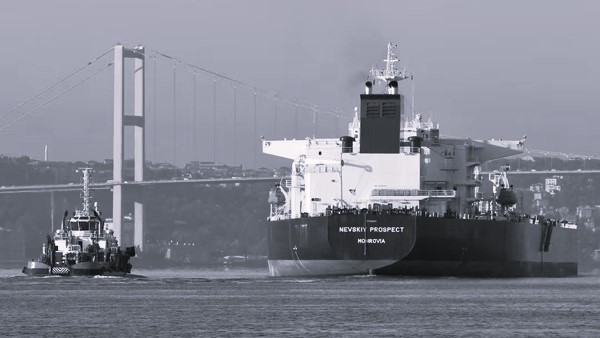
Impact of port fees China recently announced new port fees for the U.S.-registered vessels, charging additional fees for ships using Chinese ports. These fees cover docking, cargo loading and unloading, vessel maintenance, and security oversight. The increased charges raise costs for American companies using Chinese ports, leading to higher transportation expenses and reduced profits. This may prompt U.S. businesses to explore alternative ports in other countries.
Major export categories Electronics constitute the largest share of Chinese exports to the U.S., including computers, telephones, batteries, and other electronic components. Other significant exports include machinery parts, reactors, boilers, furniture, interior decor items, lighting equipment, sports goods, toys, plastics, and garments. Current trade conditions have resulted in declines in several product categories, including clothing, electronics, machinery components, and furniture.
Tariff implications Currently, U.S. tariffs on Chinese exports range from 50 to 60 percent. President Trump has threatened to increase tariffs on Chinese products to 100 percent, potentially taking effect from November 1. This could result in higher prices for consumers, increased import costs, and pressure on American companies reliant on Chinese goods. While some companies may switch to alternative suppliers, transportation costs, quality adjustments, and delays could still affect prices. Dependence on Chinese imports also impacts the profitability and operations of U.S. manufacturers.
Exports to other countries China’s expansion of exports to regions such as Africa, Latin America, and Southeast Asia offers both benefits and challenges. Diversifying away from the U.S. reduces dependency but may involve logistical complexities, increased transportation costs, and regulatory hurdles. Additionally, local manufacturers in importing countries may lobby their governments to impose stricter rules on Chinese products. The potential imposition of 100 percent U.S. tariffs could intensify trade tensions, affecting not only the two nations but also the global trade environment.
Lessons for India India can draw several lessons from China’s experience.
• Diversify export markets to reduce dependence on a single partner and mitigate geopolitical and tariff risks.
• Strengthen domestic manufacturing while maintaining competitive pricing to enhance global appeal.
• Invest in robust supply chains, port infrastructure, and alternative trade routes to manage sudden policy changes.
• Focus on high-demand sectors such as electronics, machinery, and renewable energy to expand global market share.