
China’s August Exports Jump 25% On AI, EV And Tech Demand
China’s exports accelerated sharply in August, rising 25 per cent year-on-year as global demand for artificial intelligence-related products, electric vehicles, semiconductors and other high-tech goods boosted shipments, even as weak domestic demand continues to weigh on the economy.
Exports reached about $401.44 billion in August, compared with 23.9 per cent growth in July. The increase matched some forecasts but exceeded a forecast of about 21.9 per cent cited by Chinese market data provider Wind. Imports also surged 28.2 per cent to around $282.36 billion, up from 27.5 per cent growth in July, although economists had expected a 30 per cent increase.
The stronger trade flows produced a $119.09 billion trade surplus, compared with $112.5 billion in July. China’s surplus for the first eight months of 2026 reached about $805.5 billion, putting it on course to exceed $1 trillion for the second consecutive year.
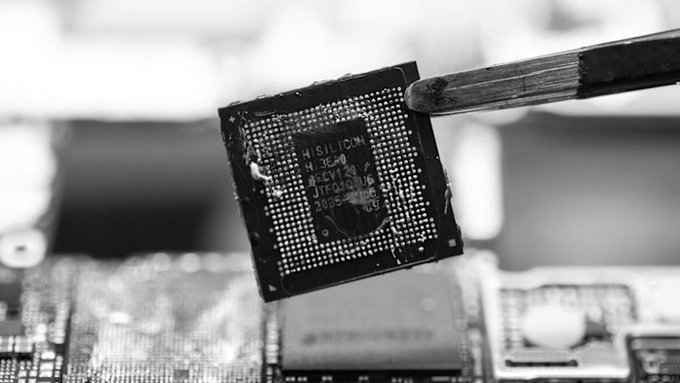
The global AI investment boom has emerged as a major driver. China’s semiconductor exports jumped about 130 per cent from a year earlier, while exports of automatic data-processing equipment rose 76.5 per cent, highlighting growing demand for technology used in AI and advanced computing. Electric vehicles, batteries, industrial machinery and other advanced manufactured products also contributed to the export surge.
Exports to the United States increased 34.4 per cent in August, accelerating sharply from July. China has also expanded shipments to Southeast Asia, Latin America and Africa, helping offset trade barriers and uncertainty in Western markets.
The export strength contrasts with persistent weakness at home. China is dealing with subdued consumer spending, slowing industrial activity, weaker investment and a prolonged property-sector downturn. The divergence has increased Beijing’s reliance on overseas demand to support economic growth.
Beijing has responded with additional financial support, including a roughly $54 billion injection into state banks and insurers and an 800 billion yuan ($119.2 billion) financing programme aimed at supporting infrastructure investment.
The export boom is also likely to intensify trade tensions with the US and European Union, which have raised concerns over China’s growing trade surplus and the impact of Chinese products on their domestic industries.
Trade is expected to remain a major issue ahead of a planned late-September meeting between US President Donald Trump and Chinese President Xi Jinping, although Beijing has not confirmed an exact date.