
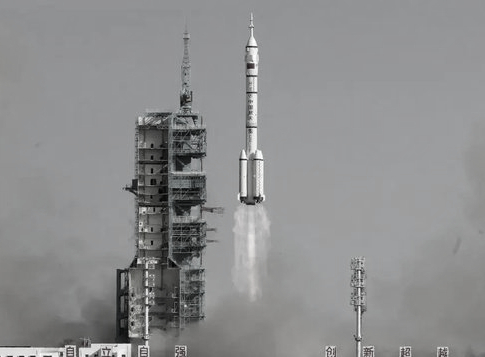
China to launch uncrewed Shenzhou-22 today to safeguard Tiangong crew
China is set to launch its Shenzhou-22 spacecraft today, in a mission critical for the safety of its Tiangong space station crew. The launch, scheduled from the Jiuquan Satellite Launch Center aboard a Long March 2F rocket, comes in response to an unexpected safety issue with a previously docked spacecraft.
Shenzhou-22 is an uncrewed spacecraft. It will carry essential cargo such as food, supplies, and equipment, but its primary purpose is to serve as an emergency lifeboat for the station crew. This is necessary because the Shenzhou-20 spacecraft, previously docked at Tiangong, was found to have a crack in one of its windows, reportedly caused by a micrometeoroid or orbital debris impact, rendering it unsafe for crew return.
The safety risk was compounded by the events of the Shenzhou-21 mission, which had recently brought a fresh crew to Tiangong. Due to the damage to Shenzhou-20, the astronauts of Shenzhou-20 could not return in their original capsule and instead had to come back aboard the Shenzhou-21 vehicle. This sequence left the current Tiangong crew aboard Shenzhou-21 without a dedicated emergency return spacecraft. Shenzhou-22 will restore this critical safety option.
The spacecraft is planned to dock with the Tianhe core module of Tiangong, where it will remain ready to evacuate the crew if needed. Although uncrewed, Shenzhou-22 is a fully functional vehicle capable of safely transporting astronauts back to Earth in an emergency.
While China has not released the official cost for this specific mission, historical estimates suggest that a single Shenzhou mission generally costs tens to hundreds of millions of U.S. dollars, based on previous manned missions and the overall human spaceflight program. This makes Shenzhou-22 a significant investment in both astronaut safety and long-term station operations.
This mission demonstrates China’s flexibility and readiness in space operations. Originally intended as a crewed mission in 2026, Shenzhou-22 was repurposed quickly in response to the unforeseen damage of Shenzhou-20. The launch highlights China’s emphasis on astronaut safety and risk mitigation, as well as its ability to handle all aspects of crewed spaceflight independently.
Following the successful docking of Shenzhou-22, the program is expected to continue with the Shenzhou-23 crewed mission, scheduled around April 2026. Meanwhile, authorities will decide how to safely handle the damaged Shenzhou-20 spacecraft.
Although uncrewed, Shenzhou-22 is a pivotal mission for the Tiangong program. It ensures the continued safety of astronauts, mitigates risks from orbital debris, and maintains the continuity of China’s long-term space station operations.