
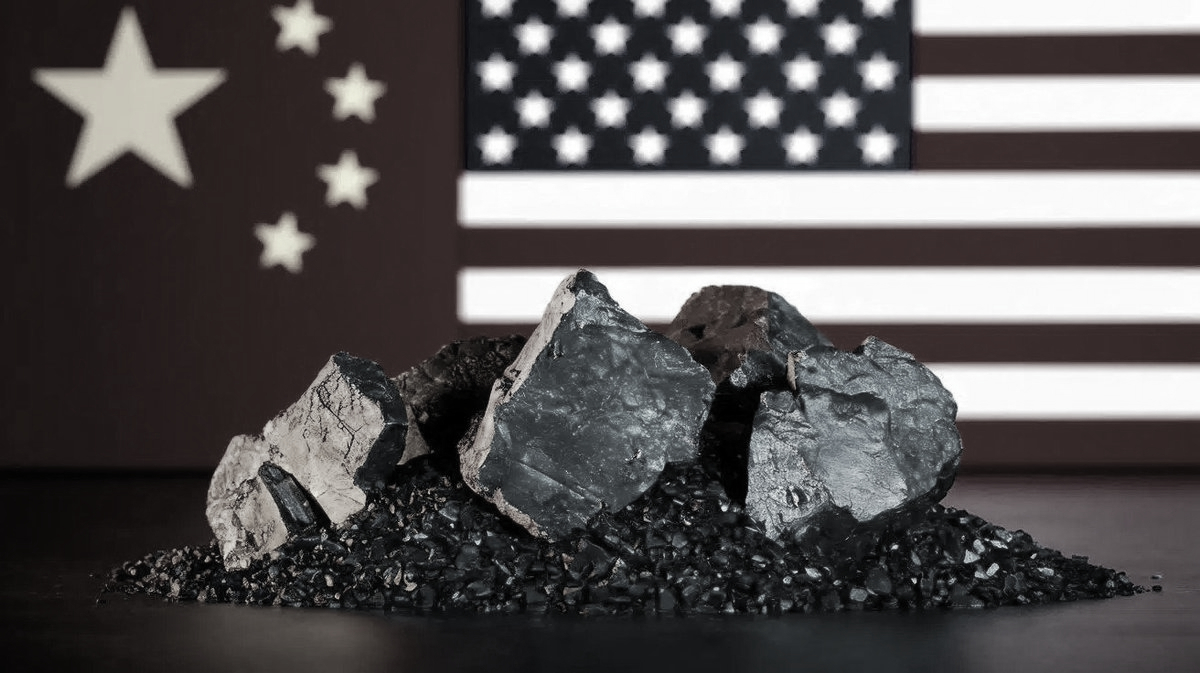
China suspends ban on exports of gallium, germanium, and antimony to US
China’s Ministry of Commerce has announced a temporary suspension of certain export restrictions on key dual-use materials to the United States, marking the first tangible outcome of the recent Trump-Xi summit in South Korea. According to Xinhua, the suspension applies to the second clause of Announcement No. 46 of 2024 and will remain in effect from November 9, 2025, to November 27, 2026. The decision eases curbs on exports of gallium, germanium, antimony, and superhard materials, resources vital to semiconductors, defense, and renewable energy. The ministry clarified that the first clause, which bans exports to U.S. military-linked users, remains unchanged.
The move comes just days after U.S. President Donald Trump and Chinese President Xi Jinping met for a 100-minute summit in Busan, their first encounter in six years. The meeting produced no formal deal but resulted in a fragile one-year truce focused on trade and rare earths. China agreed to suspend export controls on critical materials, end retaliatory tariffs imposed since March 2025, and resume imports of U.S. soybeans, sorghum, and timber. In return, Washington will reduce tariffs on select Chinese goods by 10 percent starting November 10, extend Section 301 tariff exclusions for another year, and suspend retaliatory measures linked to investigations in the shipbuilding and maritime sectors.
The easing of export controls reflects a temporary thaw but also highlights how deeply the two economies remain intertwined. Despite mutual concessions, the Busan summit underscored lingering differences over technology, security, and global supply chains. Trump praised the talks as “very successful,” while Xi emphasized the need for “mutual respect and practical cooperation.” Analysts, however, describe the outcome as a tactical pause rather than a strategic breakthrough, noting that either side could reverse course if tensions rise again.
Meanwhile, Washington is pursuing diversification strategies to reduce long-term reliance on Chinese materials. Trump has promoted partnerships with Australia, Japan, and Central Asian nations to secure alternative sources of rare earths and lithium, though experts caution such efforts remain years away from replacing China’s dominance. For now, Beijing’s temporary easing serves both as a goodwill gesture and a reminder of its enduring leverage in global trade, reflecting a momentary calm in an uneasy rivalry that continues to shape the global economy.