
China Offers Canada Fresh Trade Concessions As Mark Carney Looks Beyond US
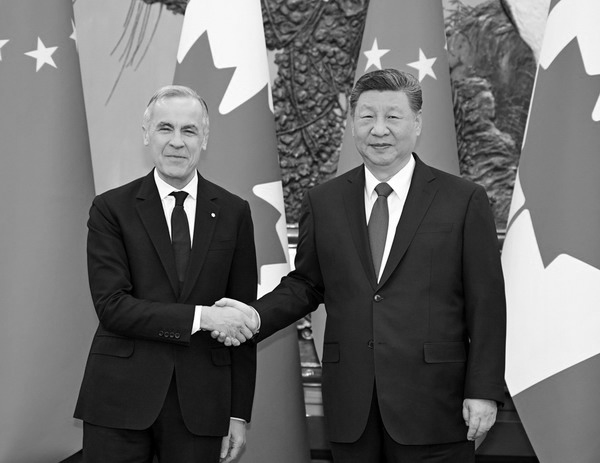
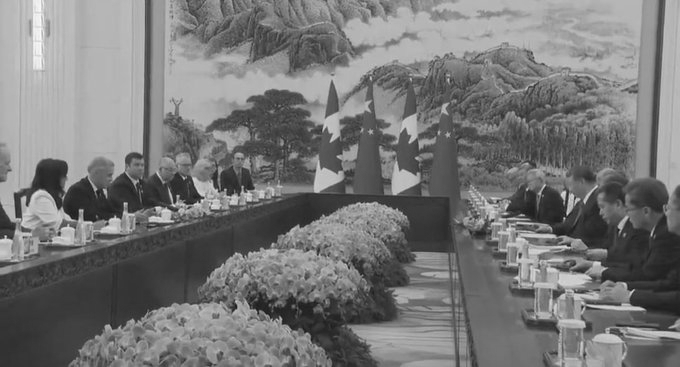
Canadian Prime Minister Mark Carney has secured fresh trade concessions from China, including tariff relief on Canadian pork, fish and seafood exports worth around C$400 million, as Ottawa looks to diversify its trade relationships and reduce its dependence on the United States. The agreement was announced on Tuesday following a meeting between Carney and Chinese President Xi Jinping ahead of the Asia-Pacific Economic Cooperation (APEC) summit in Shenzhen.
Under the arrangement, China will provide additional tariff relief for Canadian frozen pork cuts, fish and seafood. Both countries have also agreed to extend and expand a preliminary arrangement aimed at improving market access for Canadian farmers and seafood producers.
In return, Canada will extend by two years its existing tariff remission measures for certain Chinese steel and aluminium products, which are due to expire at the end of 2026.
The agreement builds on earlier steps to improve trade ties. China had previously lowered tariffs on Canadian canola seed following Carney's January visit and recently extended tariff relief for Canadian canola meal, lobsters, crabs and peas for another two years.
Carney said Canada was already well ahead of schedule in its target of increasing exports to China by 50 per cent by the end of this decade. The target forms part of his broader strategy to expand commercial partnerships beyond the US, which remains Canada's largest trading partner.
Trade tensions and tariffs imposed by Washington have increased uncertainty for Canadian exporters, prompting Ottawa to explore alternative markets without abandoning its established economic relationship with the US. China is emerging as an important destination for Canadian agricultural products, seafood and energy. Canadian crude oil shipments to China have increased around 37 per cent in 2026, according to a Reuters calculation based on LSEG data.
The automotive sector is another area of growing cooperation. Chinese automakers BYD, Geely and Chery have taken steps to enter Canada after Ottawa approved annual imports of 49,000 Chinese-made vehicles at a tariff rate of 6.1 per cent. The quota is scheduled to rise to 70,000 vehicles over five years.
Tuesday's meeting was the third between Carney and Xi since the Canadian prime minister took office. Xi said bilateral exchanges and cooperation had fully resumed after both countries agreed in January to advance their strategic partnership. He proposed deeper cooperation in trade, energy, agriculture, finance, green technology, digital businesses and e-commerce, alongside stronger cultural exchanges and support for the multilateral trading system.
However, closer economic ties remain politically sensitive in Canada. Security analysts and human rights groups have warned about potential national security risks. Concerns include the imprisonment of Hong Kong pro-democracy media figure Jimmy Lai, China's execution of four Canadian citizens last year and Canadian intelligence findings that Beijing interfered in at least two federal elections. China has denied seeking to interfere in Canada's domestic affairs.