
China jets cross Taiwan strait again
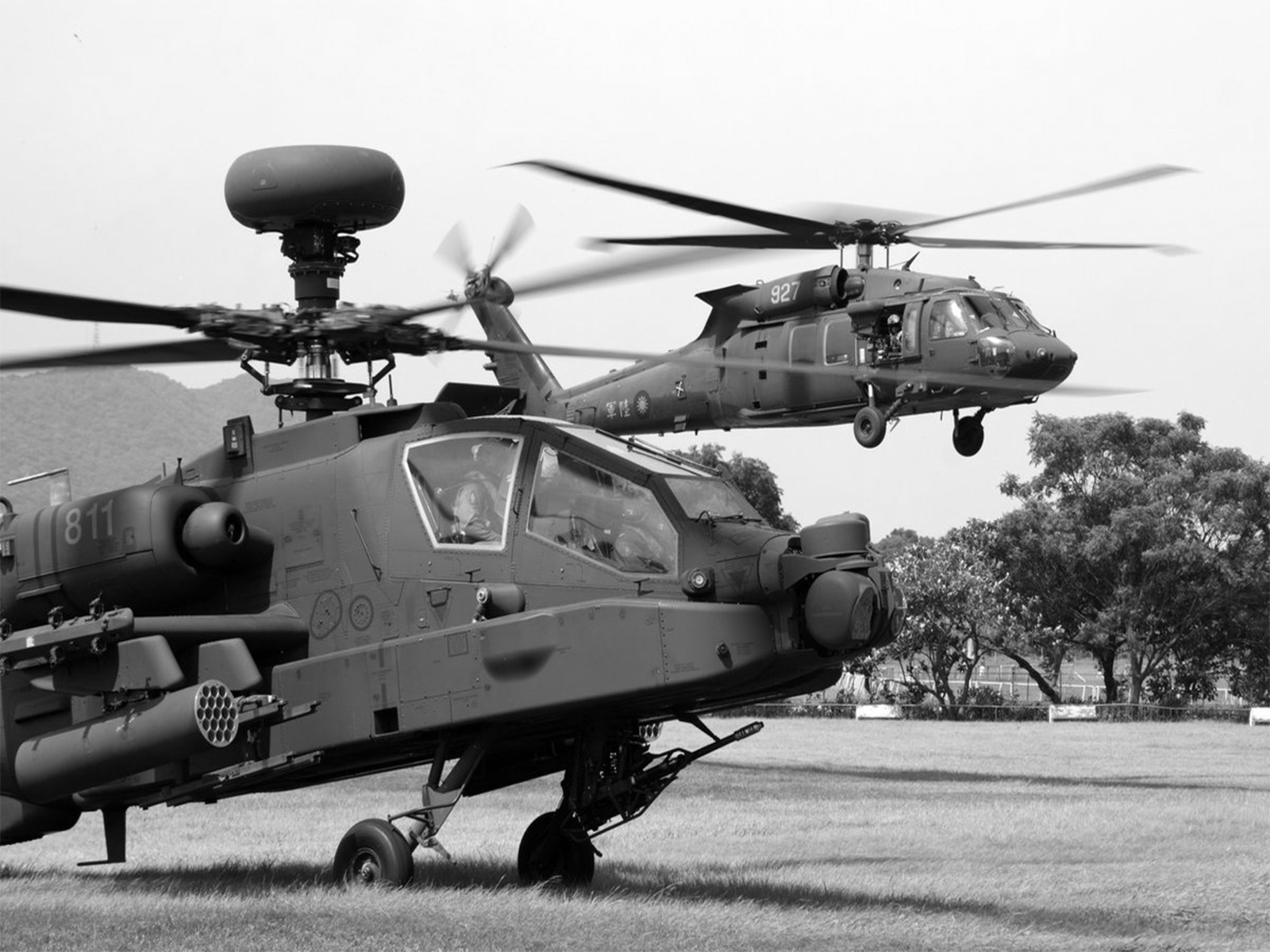
Taiwan’s Ministry of National Defence (MND) has reported another round of Chinese military activity near its territory, intensifying concerns over the island’s security and regional stability. As of early Sunday, Taiwan detected 15 People’s Liberation Army (PLA) aircraft and one Chinese naval vessel operating around the island. Among them, 11 aircraft crossed the median line of the Taiwan Strait and entered Taiwan’s air defence identification zone (ADIZ), a move that Taipei described as part of Beijing’s continued “gray-zone” tactics.
The Taiwanese military said it has deployed air patrols, naval assets, and land-based missile systems to monitor and respond to these activities. Such incursions, once rare, have now become routine and frequent, shifting from occasional annual drills to almost daily operations, signaling China’s intent to normalize its military presence around Taiwan.
Security experts believe Beijing is learning from Russia’s ongoing war in Ukraine, carefully observing battlefield tactics, logistics coordination, cyber warfare, and hybrid operations. These lessons are being used to refine China’s own strategies for a potential cross-Strait conflict combining military pressure, psychological warfare, and economic coercion.
While most analysts assess that a full-scale Chinese invasion of Taiwan is unlikely in the near term, the constant pressure serves multiple goals: testing Taiwan’s readiness, draining its resources, intimidating its population, and warning the United States and allies against deeper involvement. However, experts warn that the risk of accidental escalation through mid-air collisions or miscommunications remains serious.
A potential conflict over Taiwan would have global economic consequences, as the island is home to Taiwan Semiconductor Manufacturing Company (TSMC), the world’s largest and most advanced chipmaker. Taiwan produces over 60% of global semiconductors and more than 90% of the world’s most advanced chips, essential for everything from smartphones and cars to defence systems and AI. Any disruption in production would trigger severe supply chain crises, price surges, and market instability worldwide.
Some analysts note that China’s actions are often compared with the US Navy’s global presence, but the intent differs sharply. The US Navy conducts regular freedom of navigation operations across international waters to uphold global trade routes and maritime law. These missions are transparent and lawful, aimed at preserving international order.
In contrast, China’s military flights and naval patrols near Taiwan occur in disputed zones, deliberately crossing established boundaries to challenge Taiwan’s autonomy and assert Beijing’s territorial claims. This makes China’s operations more provocative and politically charged, heightening the risk of confrontation.
Despite mounting pressure, Taiwan remains resolute, strengthening its defences, deepening partnerships with the US, Japan, and other allies, and investing in asymmetric warfare capabilities. Western governments have repeatedly emphasized that peace and stability in the Taiwan Strait are essential for the global economy and security.
As China intensifies its maneuvers and studies modern conflicts for strategic advantage, experts caution that the Taiwan Strait remains one of the world’s most sensitive flashpoints where military posturing, economic interdependence, and geopolitical rivalry intersect.