
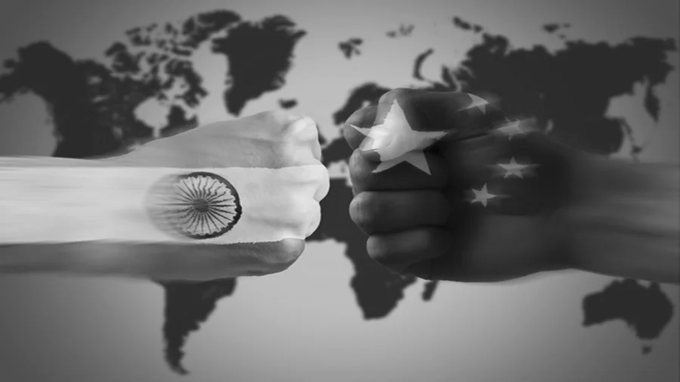
China files WTO complaint against India over EV & battery subsidies
China has filed a complaint with the World Trade Organization (WTO), the global trade watchdog, alleging that India’s subsidies and incentives for electric vehicles (EVs) and the automobile sector violate international trade rules. Beijing claims that India’s Production Linked Incentive (PLI) schemes, including the National Programme on Advanced Chemistry Cell (ACC) Battery Storage, PLI Scheme for Automobile and Auto Components, and the policy to promote electric passenger cars, unfairly favor domestic production over imported goods, discriminating against Chinese-origin products.
India has committed substantial resources to these programs: Rs 18,100 crore for ACC battery production and Rs 25,938 crore for automobile and auto component manufacturing, along with GST cuts on automobiles. These measures are designed to make EVs more affordable in India, boost local manufacturing, reduce import dependence, and create jobs. India has not yet officially responded to China’s consultation request at the WTO.
The irony is stark. China itself has long benefited from massive subsidies to build its EV industry. Today, about 70% of global EV production originates in China, and Chinese manufacturers have leveraged domestic support to dominate international markets. Companies like BYD have overtaken Tesla in sales, showcasing the effectiveness of China’s policies. Meanwhile, Chinese EV makers are now pushing a WTO complaint against India for using similar incentives to promote domestic EVs.
Chinese firms face overcapacity, declining domestic sales, and margin pressures, making India a key export market. Yet Beijing simultaneously restricts rare earth exports, essential for EV production, while flooding the world with subsidized EVs. This pattern of “cheap tricks” highlights the hypocrisy - criticizing India for subsidies that have long fueled China’s own global rise.
The timing is also notable. India is attempting to rebound trade relations with China. In 2024-25, India’s exports to China fell 14.5% to USD 14.25 billion, while imports rose 11.52% to USD 113.45 billion, widening the trade deficit to USD 99.2 billion. Observers argue that the complaint is more about strategic competitiveness than genuine trade concerns.
The WTO dispute settlement mechanism begins with consultations and may escalate to a panel if no resolution is reached, making this case a critical test for global EV trade rules and India’s industrial policy.