
China Blocking Indian Patrolling in Arunachal Pradesh, Alleges Rahul Gandhi
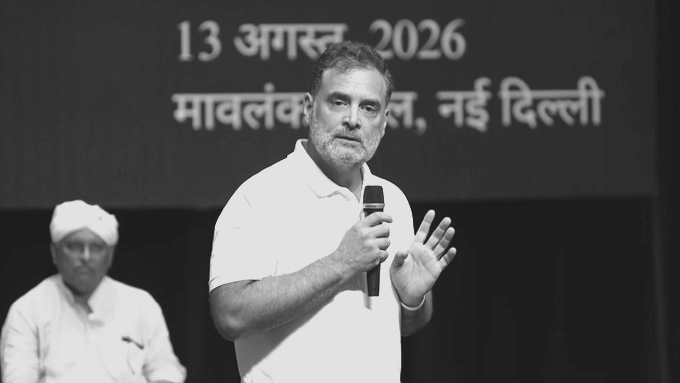
Congress leader Rahul Gandhi on Thursday alleged that China has stopped Indian troops from patrolling certain areas along the Line of Actual Control (LAC) in Arunachal Pradesh, accusing the government of trying to conceal the development.
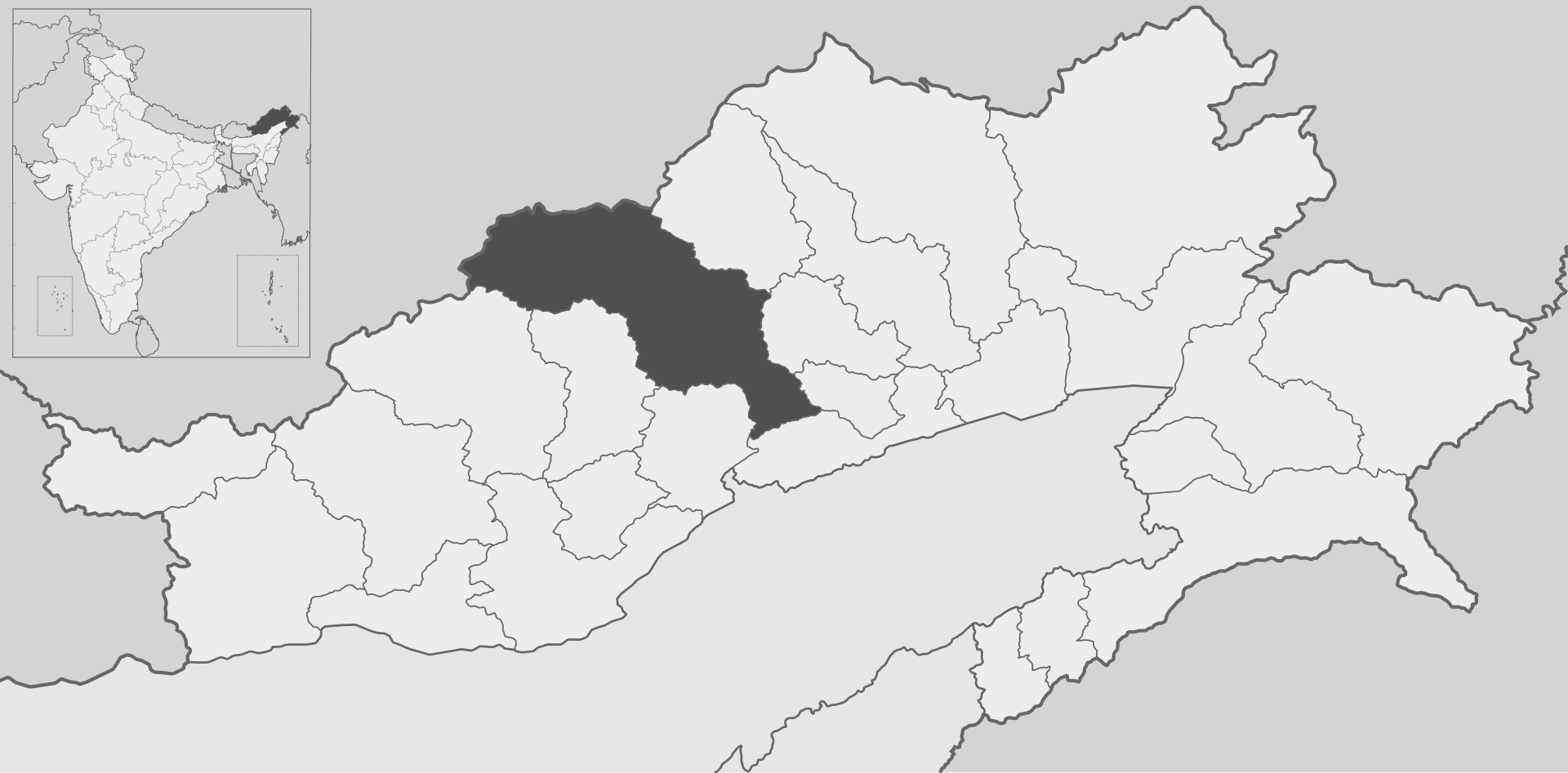
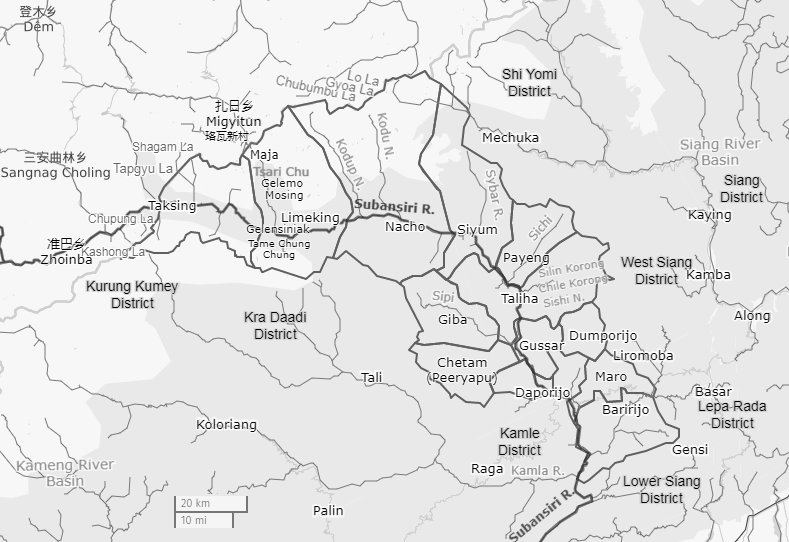
The allegation has centred on Taksing in Upper Subansiri district, a remote frontier area near the India-China border. Congress president Mallikarjun Kharge has specifically questioned whether Indian forces have lost regular access to Shera-5, described as a designated Indian Patrolling Point in the Taksing sector. However, the allegations remain disputed. The Indian Army has rejected reports of recent Chinese encroachment in Arunachal Pradesh, while Chief Minister Pema Khandu has also said the Army is effectively patrolling and safeguarding the territory. Gandhi alleged that Prime Minister Narendra Modi, Defence Minister Rajnath Singh and Home Minister Amit Shah were not taking adequate action. There was no immediate government response to his latest claims.
The situation needs to be viewed against a series of India-China border agreements. The 1993 agreement committed both sides to maintaining peace and tranquillity along the LAC, while the 1996 military confidence-building agreement imposed restrictions on military activities and required the sides not to overstep the LAC. A 2005 protocol established implementation procedures, followed by the 2012 Working Mechanism for consultations and the 2013 Border Defence Cooperation Agreement, which created mechanisms for communication and handling differing perceptions of the LAC.
Importantly, saying “China stopped Indian patrolling” does not automatically mean China has occupied Indian territory. It could mean Chinese personnel physically obstructed a patrol, established a presence that prevented access, or that regular patrols became impossible because of a confrontation. A mutually agreed suspension of patrols would be different from unilateral obstruction.
Patrolling is strategically important because it demonstrates physical presence and access. If one side stops patrolling while the other continues, the side maintaining patrols can gain greater ground-level presence and information. A sustained unilateral loss of access could therefore alter the de facto situation even without a formal change in the boundary. The Ministry of External Affairs has meanwhile stressed that peace and tranquillity along the LAC remain essential to India-China relations, while China has described the border situation as “generally stable”.