
Chhattisgarh passes Anti-Conversion Bill, Joins growing list of states with similar laws
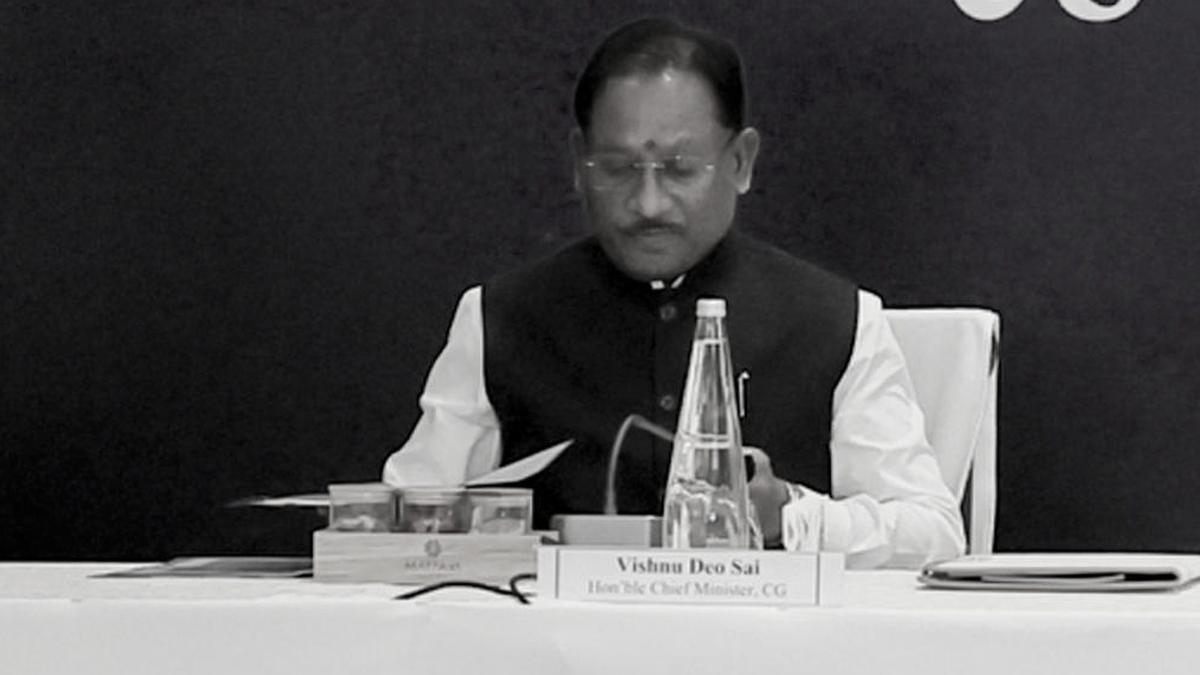
The Chhattisgarh Legislative Assembly on Thursday passed the Chhattisgarh Freedom of Religion Bill, 2026 , introducing stricter regulations on religious conversions, with Chief Minister Vishnu Deo Sai asserting that the law will curb conversions carried out through “inducement, pressure and deceit.”
Describing the move as a “historic step,” Sai said the legislation aims to protect faith, traditions and cultural identity while addressing alleged misuse of conversion practices targeting vulnerable sections.
The bill prohibits religious conversions through force, fraud, coercion or inducement, and introduces stringent penalties, including life imprisonment in cases of “mass conversion.” It also mandates prior declaration to authorities by individuals seeking to convert as well as those facilitating the process. Applications will be made public and reviewed within a stipulated period to ensure that conversions are voluntary and free from coercion.
The new law replaces the Chhattisgarh Freedom of Religion Act, 1968 , which the state government said contained loopholes that allowed misuse. The revised framework seeks to strengthen enforcement through tougher penalties and greater administrative oversight.
The opposition Indian National Congress boycotted the विधानसभा proceedings after its demand to refer the bill to a select committee was rejected. The ruling dispensation criticised the boycott, stating that sensitive issues required constructive participation.
With this development, Chhattisgarh joins a growing number of states that have enacted anti-conversion laws. At present, around a dozen states including Uttar Pradesh, Madhya Pradesh, Gujarat, Karnataka and Uttarakhand have similar legislations in place. Recently, Maharashtra has also passed a comparable bill, reflecting a broader legislative trend across the country.
The enactment of such laws continues to generate debate, with proponents arguing they prevent exploitation, while critics raise concerns over their potential impact on individual freedom and religious choice.