
Chernobyl shield lost confinement ability in drone strike - UN nuclear watchdog
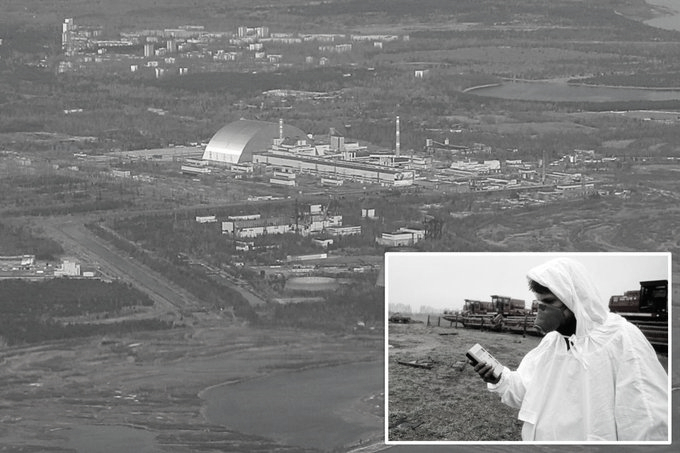
The International Atomic Energy Agency (IAEA), the global nuclear watchdog, has warned that the New Safe Confinement (NSC) at the Chernobyl nuclear site can no longer fully perform its safety functions following a drone strike on February 14, 2025 .
Ukrainian authorities said the drone was Russian, but Moscow denied targeting the plant. At the time, the United Nations reported that radiation levels at the site remained normal and stable, with no radiation leaks detected.
The agency said the NSC, the main structure designed to contain radioactive material from the 1986 disaster, was "severely damaged" during the attack and has "lost its primary safety functions, including the confinement capability."
The strike sparked a fire and damaged exterior panels of the steel enclosure, originally installed decades after the world’s worst nuclear accident to stabilise the site and support clean-up operations. The IAEA has called for comprehensive repairs to prevent further degradation and ensure long-term nuclear safety.
"Limited temporary repairs have been carried out on the roof, but timely and comprehensive restoration remains essential," IAEA Director General Rafael Mariano Grossi said. He added that the strike had not caused lasting damage to the facility’s support structures or monitoring equipment. The IAEA, which has personnel stationed at Chernobyl, said it would continue to support efforts to restore full safety and security at the site.
Chernobyl has remained a focal point during Russia’s ongoing conflict in Ukraine, now spanning 1,383 days of war . Russian troops briefly occupied the exclusion zone in the opening days of the full-scale invasion in February 2022, detaining staff before eventually withdrawing and returning control to Ukrainian personnel.
Amid this prolonged conflict, Russian President Vladimir Putin is reportedly aware that Ukraine is running out of time and has been intensifying efforts to influence peace talks. Analysts say strikes on sensitive sites like Chernobyl could be part of a broader strategy to pressure Kyiv while shaping negotiations.
The international response underscores growing solidarity with Ukraine. German President Frank-Walter Steinmeier recently visited a World War II bombing site in the UK, highlighting historical lessons of aggression and emphasizing unity among Western nations against Russian military actions.
The NSC, a massive arch-shaped structure covering the damaged No. 4 reactor, was constructed between 2010 and 2019 and is designed to remain functional for a century. The structure, the world’s largest movable land-based construction, has been essential in containing hazardous material and enabling site maintenance.
The $2.1 billion project was funded by over 45 international donors through the Chernobyl Shelter Fund, described by development banks as one of the most significant collaborative nuclear safety initiatives in history.
The April 26, 1986 explosion at the No. 4 reactor, then part of the Soviet Union, released radioactive material across Ukraine, Belarus, Russia, and beyond. Over 30 people died in nearby Pripyat, and countless others continue to face long-term health effects from radiation exposure, including elevated cancer rates and birth defects, according to global health organisations.