
Centre Moves Ahead with Delimitation, Sparks Political Divide in Andhra Pradesh
The Centre’s introduction of the Constitution (131st Amendment) Bill and the Delimitation Bill-2026 has sparked a political divide in Andhra Pradesh, with ruling and opposition parties taking contrasting positions.
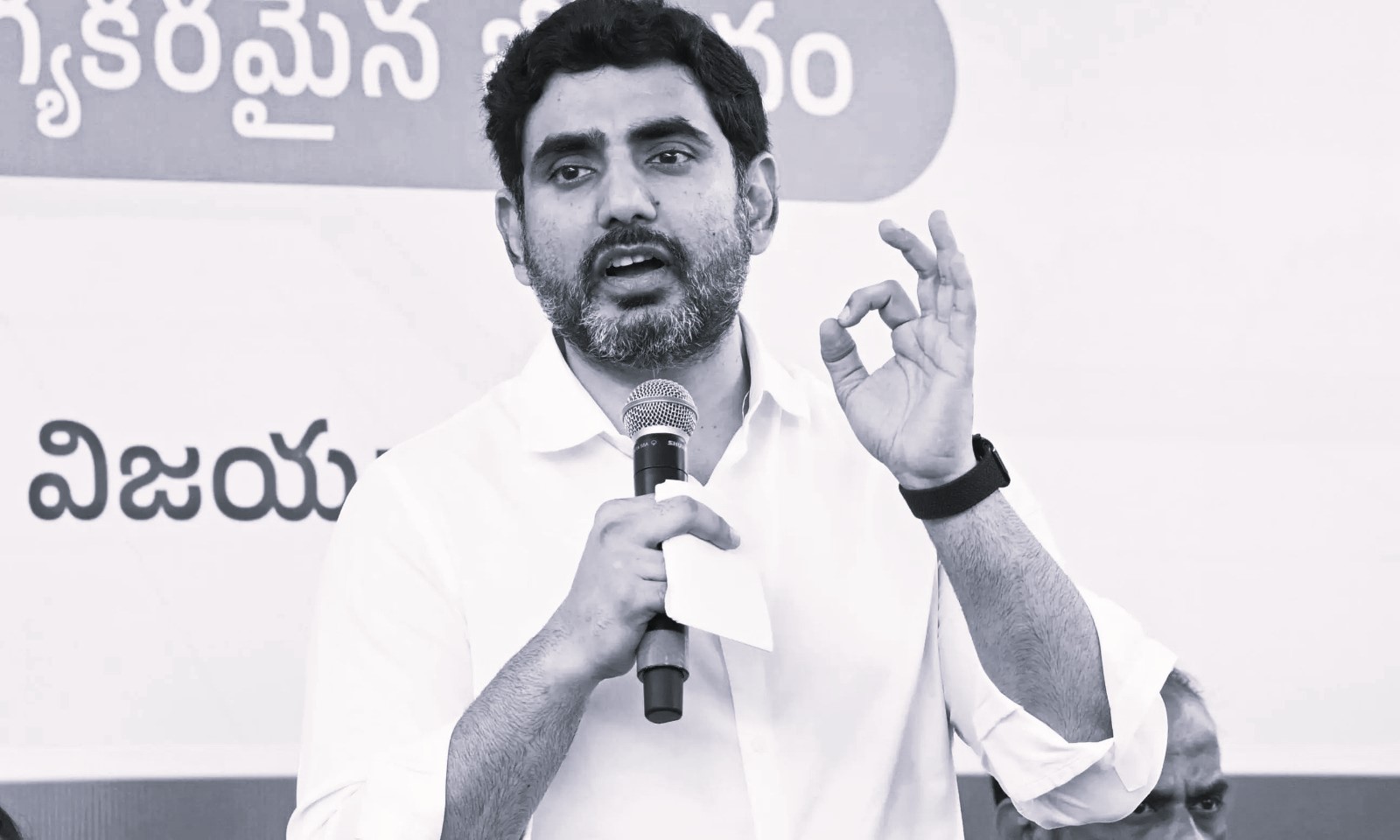
State IT Minister and Telugu Desam Party Working President Nara Lokesh supported the move, expressing confidence in Prime Minister Narendra Modi’s assurance that no state would face injustice . He said the Centre would ensure balanced representation and reiterated that no state would lose its share.
The Andhra Pradesh Congress Committee (APCC), however, strongly opposed the proposal. Speaking in Vijayawada, APCC Vice President Kolanukonda Shivaji alleged that the exercise is politically driven and could benefit regions where the ruling party is strong, affecting democratic neutrality . He also criticized the use of women’s reservation as a cover for a broader political agenda .
Shivaji warned that a population-based seat allocation could disadvantage southern states like Andhra Pradesh, which have effectively implemented population control . He said states with higher population growth may gain more seats, potentially reducing the southern states’ representation in the Lok Sabha from 24 percent to around 20 percent.
He also objected to Chief Minister N. Chandrababu Naidu’s support for the move, stating that delimitation impacts the core of democratic representation . Shivaji urged the Centre to hold wider consultations and ensure transparency before proceeding.
While supporting the Women’s Reservation Bill, he called for internal reservations for SC, ST, and OBC communities within its framework.