
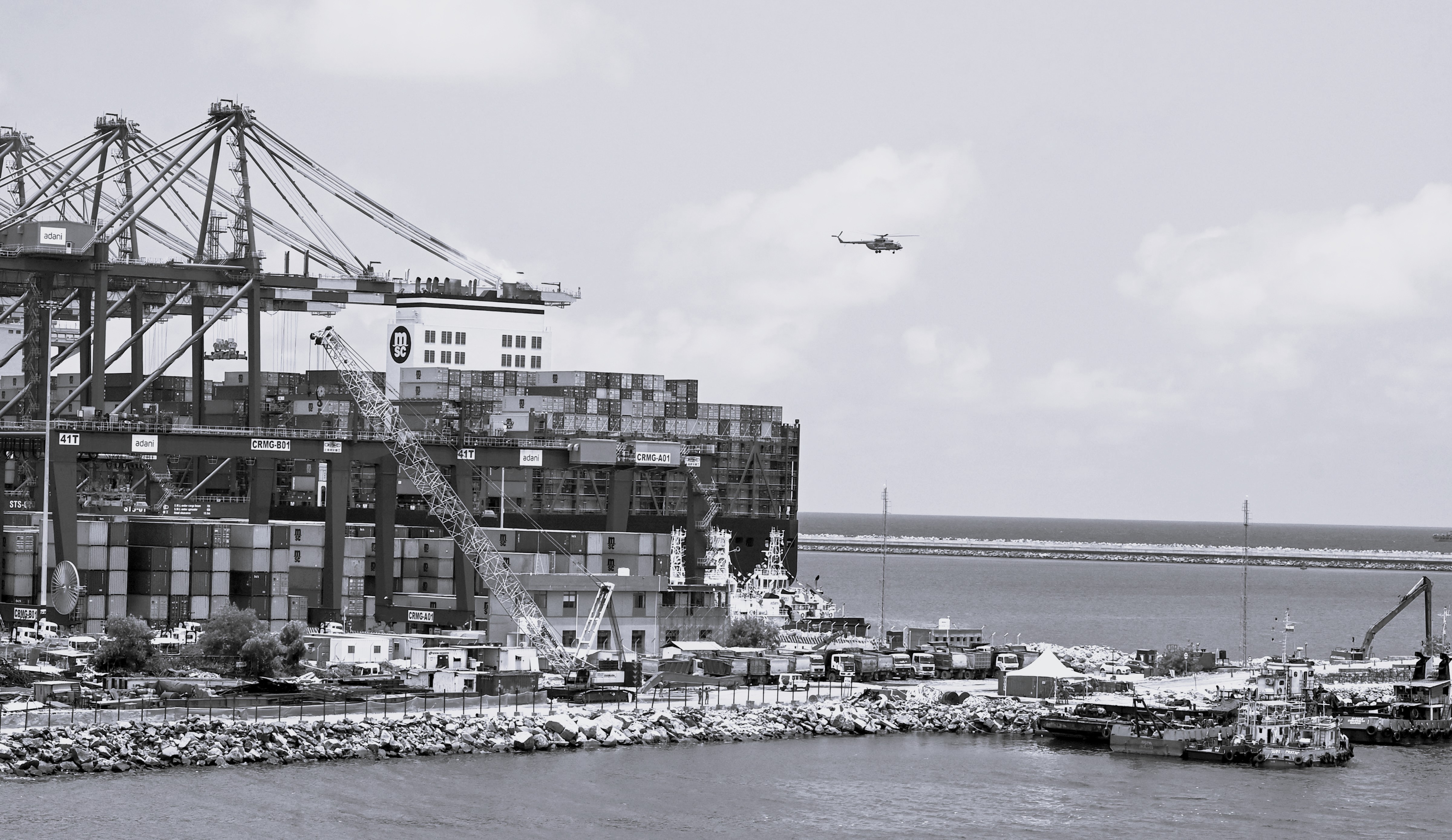
Centre gives CISF powers to assess and control port security systems
In a major step toward strengthening India’s maritime security framework, the Central government has officially designated the Central Industrial Security Force (CISF) as the main security regulator for all major and minor seaports across the country. The decision marks the first time a specialised professional agency will oversee port security, a move considered vital for India’s expanding trade network and Blue Economy goals.
The order, issued by the Ministry of Ports, Shipping and Waterways on November 18, grants CISF the status of Recognised Security Organisation (RSO) for seaports. CISF Deputy Inspector General (DIG) Ajay Dahiya confirmed on Friday that this reform is aimed at standardising and modernising port security nationwide, making it more efficient, technology-driven and future-ready.
First-of-its-Kind Step for Port Security
Until now, seaport security had no dedicated security agency and was largely managed under the Directorate General of Shipping. With this new decision, CISF will now take the lead in all key security functions, including:
• Conducting security assessments at ports
• Preparing and approving security plans
• Implementing ground-level safety measures
• Coordinating hybrid security models at smaller ports
The move is seen as particularly significant because ports are critical to India’s logistics chain, trade operations and coastal economy. As India seeks to boost its global maritime presence, officials say that a specialised security force was essential to address emerging challenges such as cyber threats, smuggling, illegal entry and cargo tampering.
New Measures & Hybrid Security Model
The government is also introducing a hybrid security system, upgraded screening technologies and dedicated training institutes for port-security personnel. Smaller ports will continue to have private security agencies for areas like warehouses and cargo gates, but CISF will oversee overall security standards and protocols.
India currently has around 250 small and intermediate seaports, but only about 65–68 are actively involved in cargo operations. The CISF already provides full security at all 13 major ports. With its expanded mandate, the force will now regulate security procedures even at smaller facilities to ensure uniformity and preparedness.
About CISF
Raised in 1969, the CISF is a central paramilitary force under the Union Home Ministry. It is responsible for guarding critical national infrastructure, including more than 70 civil airports, nuclear facilities, space institutions, and key government installations. With its new role in the maritime domain, officials say CISF will now become a central pillar in India’s coastal and port security architecture. This reform is expected to significantly boost safety, streamline security operations and support India’s economic and maritime ambitions in the coming years.