
Centre Defends 67% Passport Fee Hike, Cites Rising Costs and Modernisation
India's decision to raise passport fees by 67 per cent after a gap of 14 years reflects far more than a routine revision of government charges. The Centre has justified the increase by citing rising operational costs, rapid technological upgrades, expansion of passport infrastructure, and the rollout of secure digital services, arguing that the country's passport ecosystem has undergone a major transformation since the last revision in 2012.
Replying to a query in the Lok Sabha, Minister of State for External Affairs Kirti Vardhan Singh said passport fees are revised only after a comprehensive review of the cost of providing passport and related services, operational requirements, and improvements in service delivery. Under the Passports (Amendment) Rules, 2026, which came into effect on July 1, 2026, the fee for a 36-page ordinary fresh passport has been increased from ₹1,500 to ₹2,500.
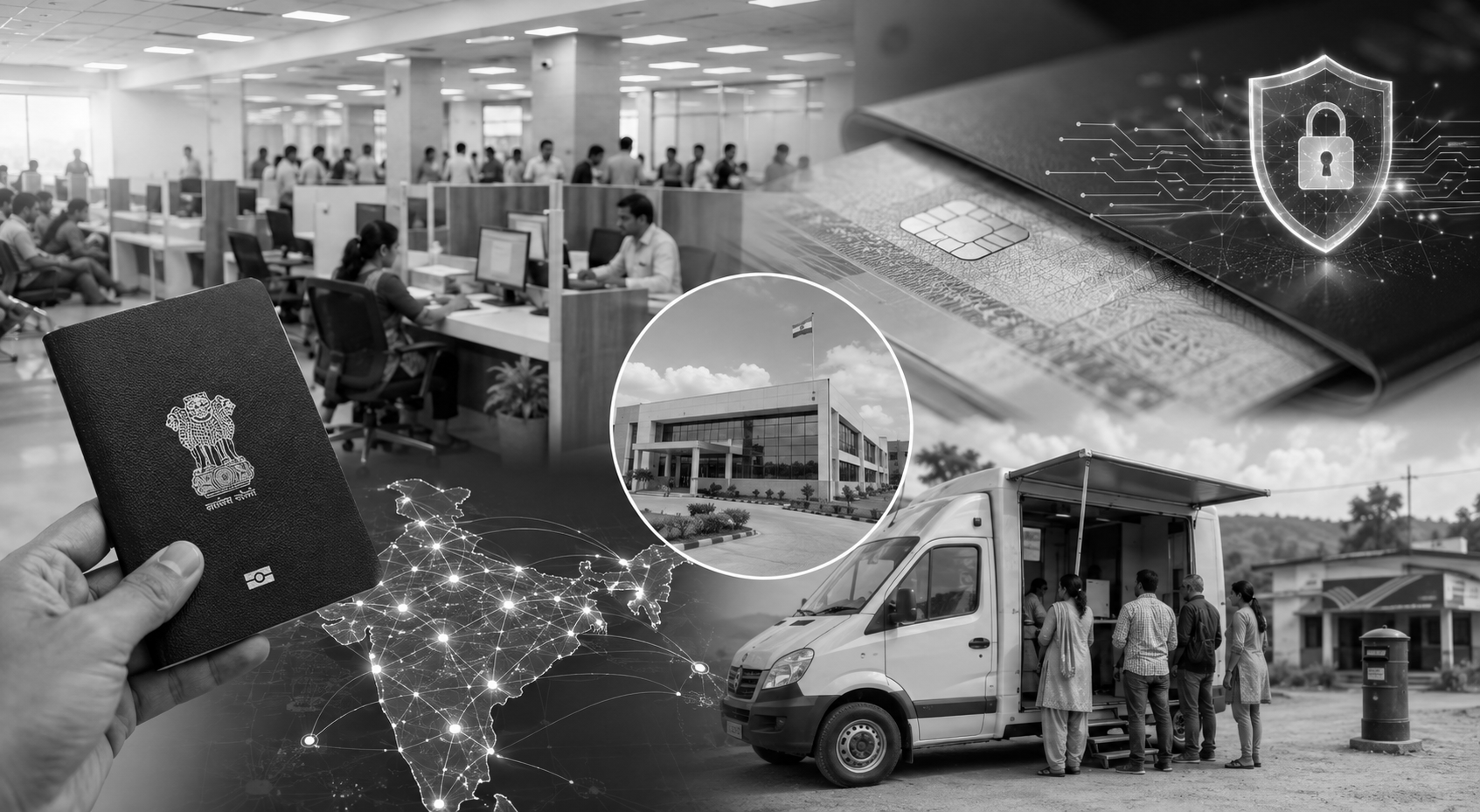
The minister said the increase was driven by the rising cost of various inputs over the past 14 years and the government's investment in modernising passport services. A key development has been the implementation of Passport Seva Programme (PSP) Version 2.0, which has introduced cloud-based digital infrastructure, AI-assisted processing, electronic file management, integrated databases and faster online services. The nationwide rollout of chip-enabled e-Passports, equipped with encrypted RFID chips and advanced security features compliant with international standards, has also significantly increased production and technology costs.
The government has simultaneously expanded passport accessibility across the country. India now has 37 Regional Passport Offices, 93 Passport Seva Kendras (PSKs) and 424 Post Office Passport Seva Kendras (POPSKs), creating a network of more than 550 passport service centres. The expanded infrastructure, coupled with digital police verification, cybersecurity systems, secure data centres, disaster recovery facilities and real-time application tracking, has substantially improved service quality while increasing operational expenditure.
According to the MEA, passport fees have been revised only six times since the Passports Act, 1967 —in 1971, 1980, 1993, 2002, 2012 and 2026. Historical revisions included increases of 67 per cent, 100 per cent, 500 per cent, 233 per cent, 50 per cent and now 67 per cent, making the latest revision the first fee hike in 14 years. The government also noted that passport applications continue to be governed under Section 5(1) of the Passports Act, 1967, and Rule 8 of the Passports Rules, 1980, while a 10 per cent concession remains available on fresh passport applications for children up to eight years and senior citizens above 60 years.