
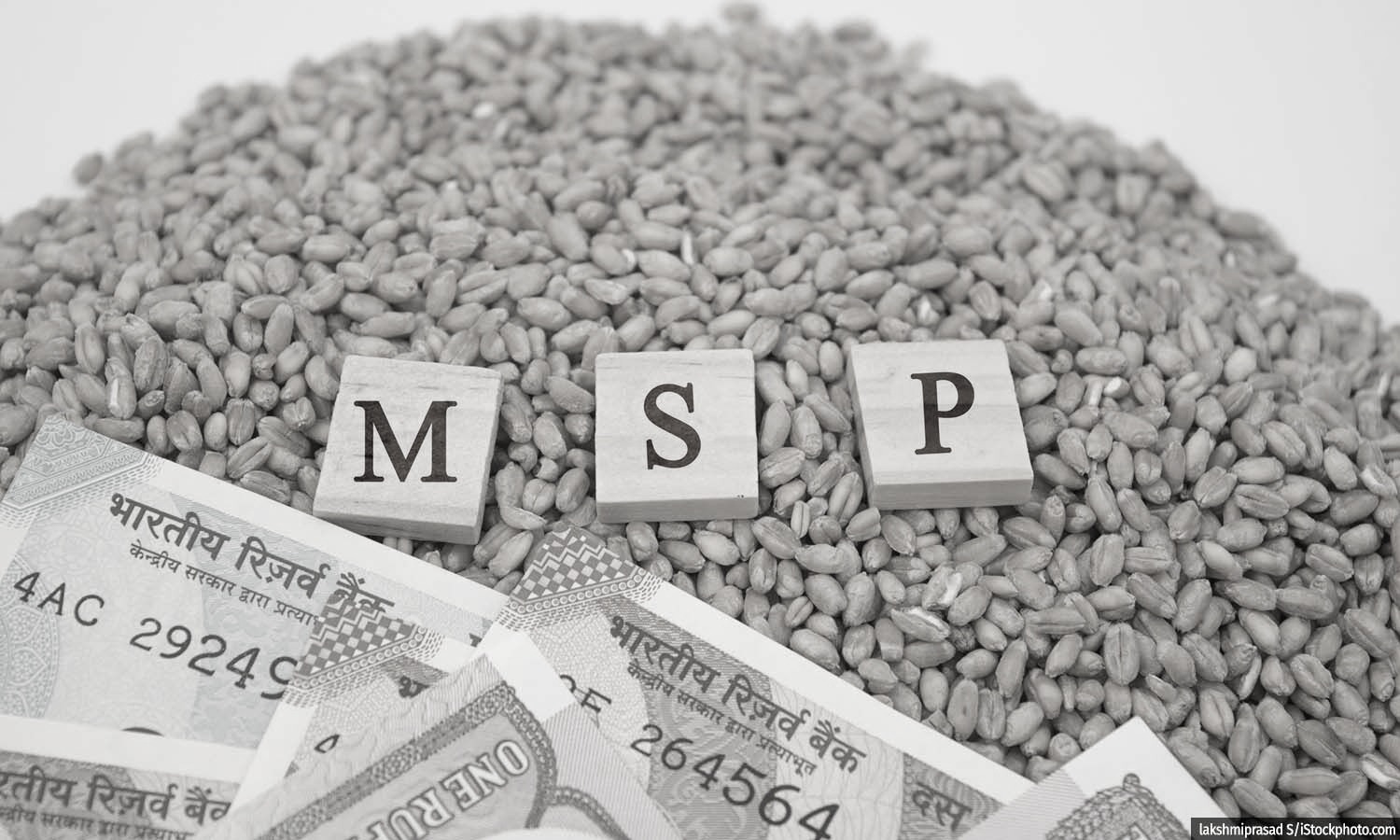
Centre declares annual hike for Rabi crops, wheat MSP nearly doubled in 10 years
The Union Cabinet has approved a fresh boost in the Minimum Support Price (MSP) for all mandated Rabi crops for the 2026‑27 marketing season, reinforcing the government’s commitment to ensuring remunerative farm incomes.
The MSP for wheat, a key Rabi staple, exemplifies this trajectory: in 2014‑15 it was ₹1,400 per quintal, and now it stands at ₹2,585, marking an increase of over 84% in roughly ten years. This near‑doubling aligns closely with the government’s goal of doubling farmer incomes. Other crops such as safflower, lentil, gram, barley, and mustard have also received substantial raises, keeping MSPs well above production costs.
Even though the government has not passed a law guaranteeing MSP, its policies effectively follow the intent behind the longstanding demand for secure and predictable pricing. This comes against the backdrop of nationwide farmers’ protests, particularly in Punjab, Haryana, and western Uttar Pradesh, where thousands of farmers camped on Delhi borders demanding legal MSP protection for all mandated crops. The consistent MSP hikes demonstrate the government’s responsiveness to the concerns of farmers while maintaining market stability.
The government is also encouraging crop diversification, with particular focus on safflower. Promoting such crops not only provides higher income potential but also has environmental benefits, improving soil fertility and aiding crop rotation. Lentil cultivation supports these goals as well, though care is required to avoid unsustainable practices in intensive farming regions.
Challenges remain in the marketing system through which farmers sell their produce. Many face delays and forced discounting in mandis due to procurement bottlenecks and middlemen pressure, an issue that policymakers must address to ensure the MSP hike translates into tangible benefits for farmers.
Taken together, these developments show that MSP is being used not merely as a short-term support mechanism, but as a strategic tool for long-term upliftment of Indian agriculture, supporting both income growth and sustainable farming practices.