
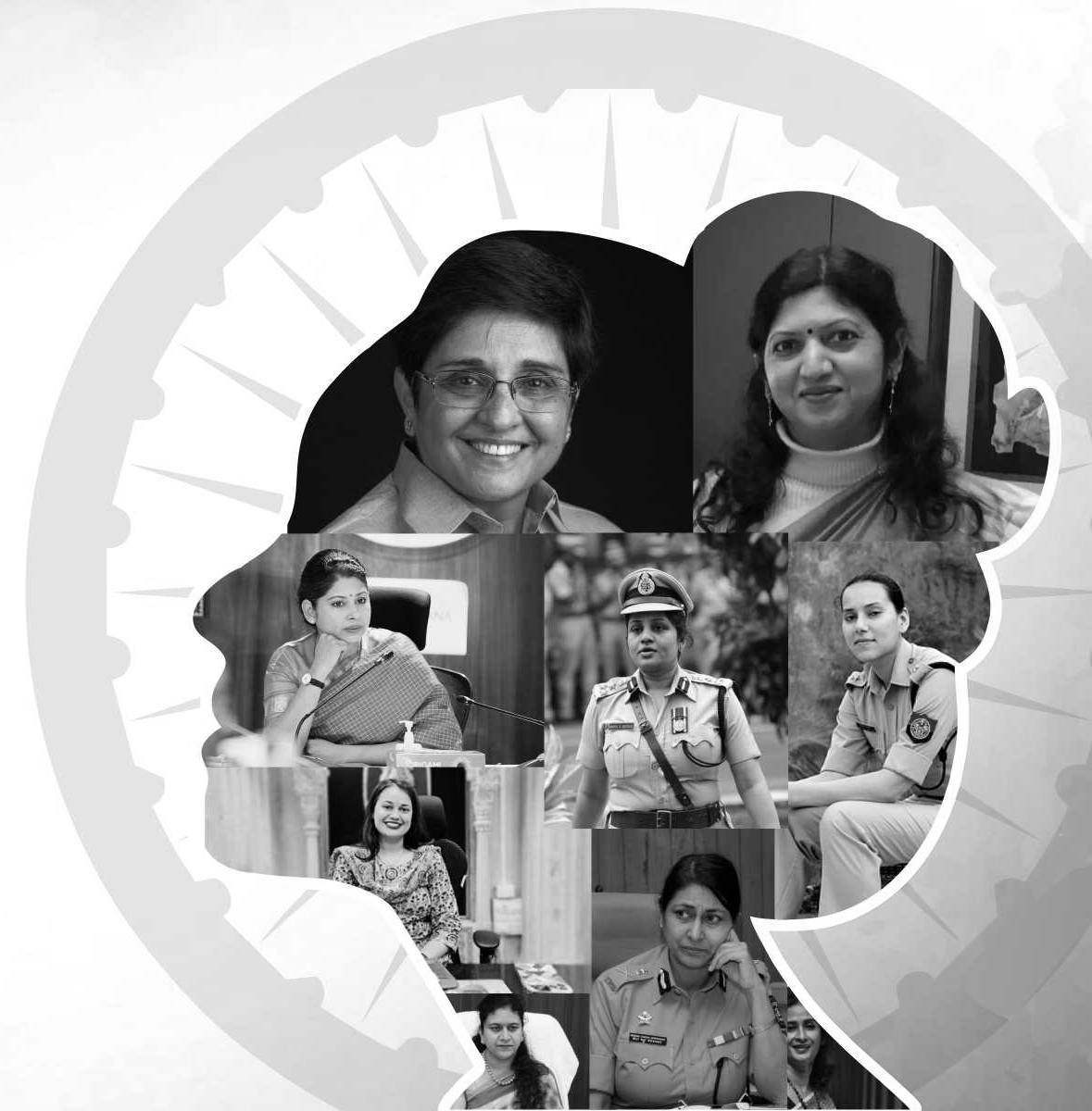
Centre asks states to prioritise women and SC/ST officers for deputation, implementation up to states
The Union government has asked states to prioritise women officers and those from Scheduled Castes (SC) and Scheduled Tribes (ST) when nominating candidates for central deputation. The move aims to improve representation in senior policymaking and vigilance roles at the national level.
In a communique dated December 10, the Department of Personnel and Training (DoPT) requested chief secretaries to forward officers who can remain available for at least two years and warned that officers withdrawn after nomination may face five years of debarment from central deputation, including foreign postings. These deputation posts include Deputy Secretary, Director, Joint Secretary, and Chief Vigilance Officer (CVO) roles in central ministries, public sector enterprises, and other government organisations. CVOs act as the arm of the Central Vigilance Commission to check corruption in government departments.
This directive is mainly a suggestion. The Centre cannot legally force states to nominate women or SC/ST officers. It is essentially saying it encourages women’s empowerment rather than taking action. Historically, women, especially SC/ST women, are underrepresented, but the situation is slowly improving, with more women beginning to get opportunities in central roles.
Some numbers highlight the challenge. Only about 21 percent of IAS officers nationwide are women. In the Indian Foreign Service, women make up around 28 percent, SC/ST officers around 21 percent, and the number of women who are also SC/ST is estimated under 500 nationwide across IAS, IPS, and IFS.
Central deputation is important for career growth, giving officers exposure to national policymaking and decision-making. Those who do not go to the Centre miss out on opportunities needed for top leadership positions. The directive creates pressure on states to nominate women and SC/ST officers, but there is no guarantee they will follow it. In other words, this is more of an encouragement than a step that ensures immediate change.
While the Centre has officially asked states to prioritise women and SC/ST officers, the reality is that implementation depends on state governments. Without active participation, the representation of women in central roles may remain low, despite the government’s push. The move highlights the problem of underrepresentation and the need for states to actively open opportunities for women and SC/ST officers, but at this stage, it is largely aspirational.