
Centre Allows Temporary Kerosene Supply in Kerosene-Free States Amid LPG Concerns
In a striking return to traditional energy sources, the Central government has approved the ad-hoc allocation of Public Distribution System (PDS) kerosene across 21 states and Union Territories, signalling a “back to basics” approach as India grapples with a severe LPG supply crisis triggered by the ongoing West Asia conflict.
The disruption of key energy supply routes, particularly through the Gulf region, has sharply reduced LPG imports on which India depends for nearly 60 per cent of its needs. With 85–90 per cent of these imports sourced from Gulf countries, the geopolitical tensions have severely strained availability, leading to supply bottlenecks across the country.
While the government has prioritised domestic households in LPG distribution, the limited availability has resulted in panic buying, long queues, and reports of black marketing in several regions. Commercial establishments such as hotels and restaurants have already faced supply cuts, forcing many to seek alternative fuels.
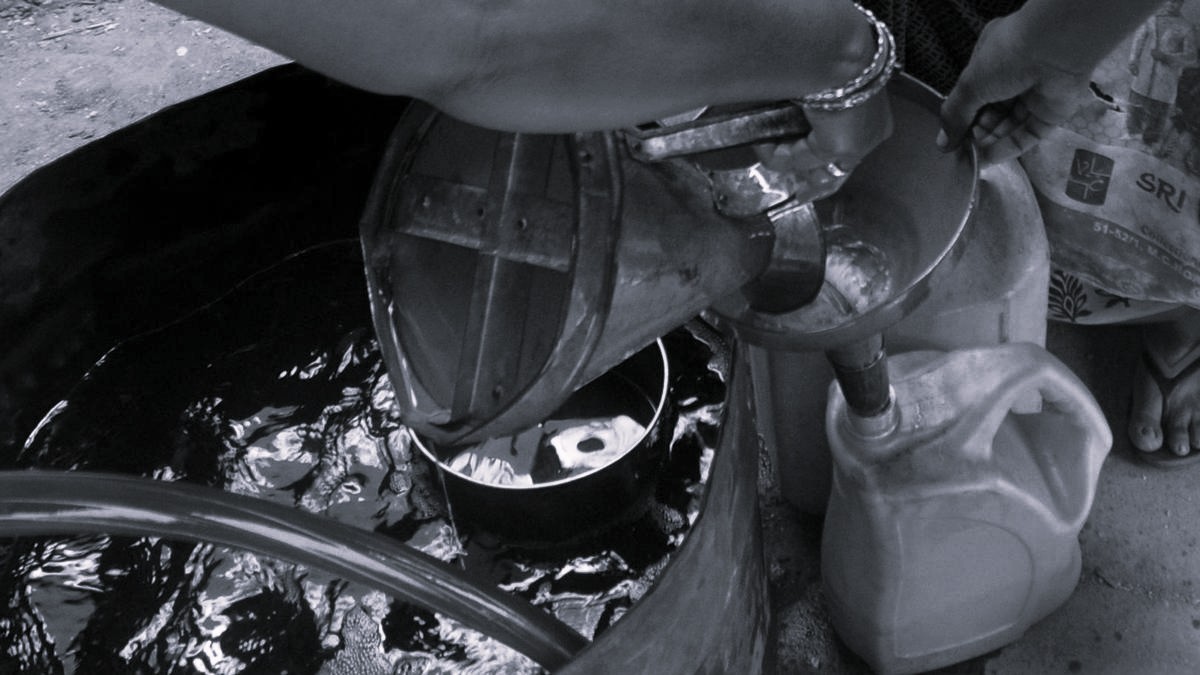
Against this backdrop, the Centre’s decision to reintroduce kerosene—even in states that had earlier been declared kerosene-free—marks a significant policy shift. Once phased out in favour of cleaner fuels under schemes promoting LPG adoption, kerosene is now being repositioned as an emergency fallback to ensure energy access for basic household needs like cooking and lighting.
A gazette notification issued on March 29 by the Ministry of Petroleum and Natural Gas provides temporary exemptions under the Petroleum Act , 1934, and Petroleum Rules , 2002. These relaxations are aimed at expediting the storage and distribution of kerosene through designated channels.
Under the new guidelines, up to two public sector oil marketing company (OMC) outlets per district will be permitted to store up to 5,000 litres of kerosene, subject to strict safety norms. Additionally, agents and dealers have been exempted from obtaining licences for decanting kerosene at these outlets, while licensed tank vehicles will not require additional permits for transportation.
The government has stressed that all operations must adhere to safety standards laid down by the Petroleum and Explosives Safety Organisation ( PESO ), with mandatory record-keeping for monitoring and inspection purposes.
The order, effective immediately, will remain in force for 60 days or until further notice. It applies to 21 kerosene-free states and Union Territories, including Delhi, Punjab, Haryana, Uttar Pradesh, Rajasthan, Gujarat, Goa, and Madhya Pradesh.
Officials describe the move as a temporary but necessary intervention in view of the evolving geopolitical situation impacting global energy supplies. The reintroduction of kerosene reflects a pragmatic shift returning to conventional fuels to bridge the gap created by disrupted modern energy systems.
Even as authorities work to stabilise LPG supplies through increased domestic production and incoming shipments, the revival of kerosene underscores the urgency of the crisis. For millions of households, the policy offers immediate relief, but it also highlights the vulnerability of energy security in times of global conflict.