
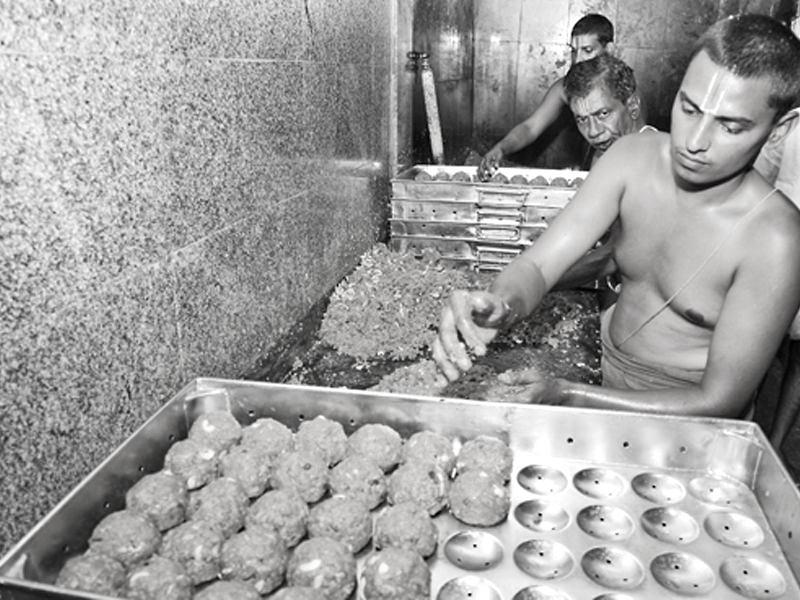
CBI-Supervised SIT finds TTD received adulterated Ghee for over five years
A Special Investigation Team (SIT) functioning under the supervision of the Central Bureau of Investigation (CBI) has found that adulterated ghee was supplied to the Tirumala Tirupati Devasthanams (TTD) for more than five years. The revelation has raised serious concerns about procurement oversight and quality control in one of India’s most revered temple institutions.
According to the SIT’s findings, the adulterated ghee was supplied by Bhole Baba Dairy, located in Bhagawanpur, Uttarakhand, between 2019 and 2024. The dairy had entered into contracts to supply ghee to the TTD for preparing the temple’s famous Srivari laddus and other offerings. It has been alleged that the company supplied approximately 68 lakh kilograms (6.8 million kg) of spurious ghee valued at ₹250 crore during this period.
The findings were disclosed in a remand report submitted to the ACB Court in Nellore, following the arrest of Ajay Kumar Sugandh, identified as A-16 in the case. His arrest was said to have revealed key evidence linking the dairy to large-scale adulteration and manipulation of testing parameters.
According to the SIT, the dairy had not procured any milk or butter from recognized sources across the country during the five-year period. Instead, palm oil and kernel oil were reportedly purchased under the name of Harsh Fresh Dairy from a Delhi-based importer of Malaysian palm oil. These oils, along with chemicals such as monodiglycerides and acetic acid esters, were allegedly used to manufacture spurious ghee that was supplied exclusively to the TTD.
The report stated that acetic acid esters were used to manipulate the Reichert–Meissl (RM) value, a key indicator used in ghee purity tests. It was noted that Bhole Baba Dairy had procured acetic acid esters worth ₹7 crore from Ajay Sugandh between 2022 and 2024. This manipulation allowed the adulterated product to pass internal quality checks conducted by TTD’s laboratories.
Investigators further discovered that the promoters of Bhole Baba Dairy had purchased a defunct dairy unit to facilitate the production and supply of fake ghee. Fabricated milk procurement and payment records were reportedly produced to mislead auditors, while local cattle rearers in the region confirmed that no milk had ever been supplied to the company.
Even after being blacklisted by the TTD in 2022, Bhole Baba Dairy allegedly continued to supply adulterated ghee by routing its contracts through other dairies. These included Vyshnavi Dairy of Tirupati, Mal Ganga Dairy of Uttar Pradesh, and AR Dairy Foods of Tamil Nadu. The SIT has said that these proxy arrangements allowed the banned supplier to continue its business with the temple without detection for some time.
The revelations have prompted renewed attention to TTD’s procurement system, which handles large-scale purchases of essential ingredients for the temple’s prasadam production. The temple management has stated in the past that all supplies undergo periodic laboratory tests and internal audits to ensure purity and compliance with standards.
Officials associated with the investigation indicated that further arrests and interrogations could follow as the probe expands into the financial and contractual dimensions of the supply network. The SIT’s report has been submitted to the court, and more evidence is expected to be presented in the coming days.
The case has triggered public concern and political debate in Andhra Pradesh over transparency and vigilance in temple administration. The TTD is one of the world’s wealthiest and most visited religious institutions, and its offerings are regarded as sacred by millions of devotees.
The CBI-supervised SIT’s findings have revealed a complex network of deceit involving chemical manipulation, forged documentation, and proxy contracts, all of which enabled the sustained supply of adulterated ghee for over five years.
The developments have underscored the need for stronger regulatory oversight, independent quality audits, and transparent tender procedures in temple-related procurements to prevent such fraud in future.