
Catholic Bishops Oppose Proposed FCRA Changes, Call for Wider Stakeholder Consultation
The Kerala Catholic Bishops' Council (KCBC) on Monday reiterated its objections to the proposed amendments to the Foreign Contribution (Regulation) Act (FCRA), stating that the concerns raised earlier remain unchanged as there has been no modification in the draft legislation.
KCBC spokesperson Fr Thomas Tharayil said the Bill expected to be introduced in the ongoing Parliament session is the same version that was proposed earlier, and the issues flagged by the Church continue to persist. He said several provisions require greater clarity and that the proposed changes contain clauses that could create concerns for organisations receiving foreign contributions.
“The Bill that is now proposed to be introduced is the same one that was to be brought on April 1. There has been no change in its contents and the concerns we had raised then still remain,” Tharayil said.
The KCBC maintained that the matter was not limited to the Catholic community alone but could have wider implications for voluntary organisations and charitable institutions across the country that provide social services with the support of foreign funding.
Tharayil alleged that certain provisions of the proposed legislation were inconsistent with principles of natural justice and did not fully reflect the spirit of the Constitution. He said the Church would continue to engage with the government while following constitutional provisions and legal processes.
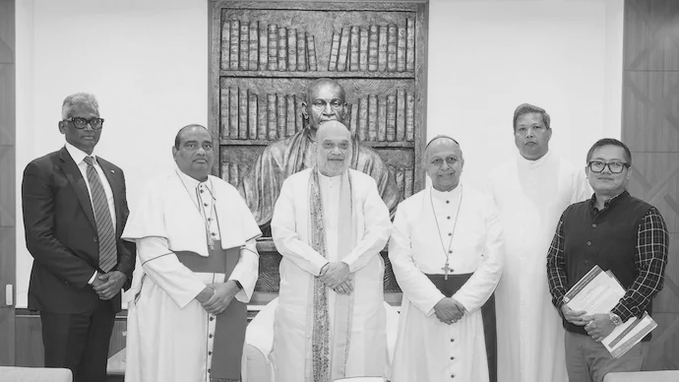
The concerns were also raised by the Catholic Bishops' Conference of India (CBCI), whose delegation recently met Union Home Minister Amit Shah and submitted a memorandum on the issue. The memorandum highlighted concerns regarding the proposed FCRA amendments, religious freedom, the rights of Scheduled Caste Christians, and the humanitarian situation in Manipur.
The CBCI has urged the government to reconsider the proposed FCRA Amendment Bill, 2026 and the recently notified rules, calling for a fresh draft after wider consultations with stakeholders. Church representatives said the amendments could affect charitable institutions that have worked with vulnerable communities for several decades.