
Caribbean Seeks Slavery Reparations As King Charles III Prepares For Visit
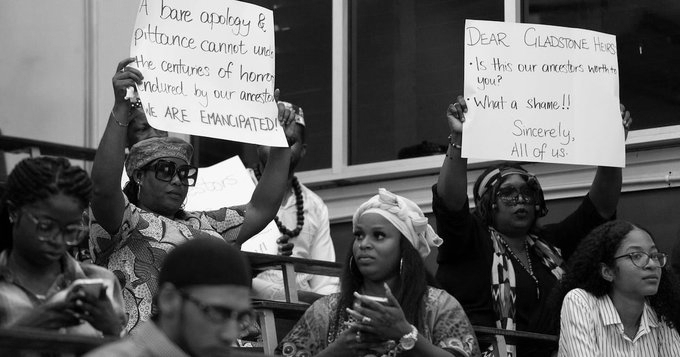
Caribbean nations are renewing demands for slavery reparations, a formal British apology and greater independence from the monarchy as King Charles III and Queen Camilla prepare for a nine-day regional tour beginning in the Bahamas on Tuesday.
The visit comes amid growing debate over the British Crown’s colonial legacy, with campaigners questioning the monarchy’s relevance to countries whose ancestors suffered under slavery. Buckingham Palace has indicated that Charles will not avoid discussing Britain’s involvement in the transatlantic slave trade, but he is not expected to issue a formal apology. The British government has ruled out reparations.
The Bahamas, which gained independence in 1973 after nearly 300 years of British rule, remains a Commonwealth realm, recognising Charles as its head of state. During his visit, the King is scheduled to attend events at Clifford Park, where the country’s national flag was first raised.
Niambi Hall Campbell-Dean, chair of the Bahamas National Reparations Committee, said the visit raises fundamental questions about the monarchy’s role and benefits to Caribbean people.
Charles will then travel to Guyana, where the 1823 Demerara rebellion saw thousands of enslaved people rise against colonial rule. More than 200 enslaved people were killed during the uprising. President Irfaan Ali has said acknowledging slavery’s atrocities must be followed by an apology, arguing that colonial exploitation damaged lives and contributed to underdevelopment.
The King is also expected to meet elected leaders of Indigenous Amerindian communities. However, Nikita Miller, a village leader from Chinese Landing, said she was not invited and wanted to raise longstanding land disputes and concerns over Indigenous rights.
The tour will conclude in Antigua and Barbuda, where Charles will attend the Commonwealth Heads of Government Meeting involving representatives of 56 member states. Discussions are expected to cover climate change, trade and development, although Caribbean leaders want reparations to feature prominently.
Jamaica, which is pursuing greater distance from the monarchy, is notably absent from the itinerary. In September, the country submitted a petition seeking legal clarification on the legality of slavery and Britain’s potential obligation to provide reparations. Charles referred it to the Judicial Committee of the Privy Council.