
Cannabis, Opium Derivatives Dominate India’s Drug Seizures in 2024: NCRB
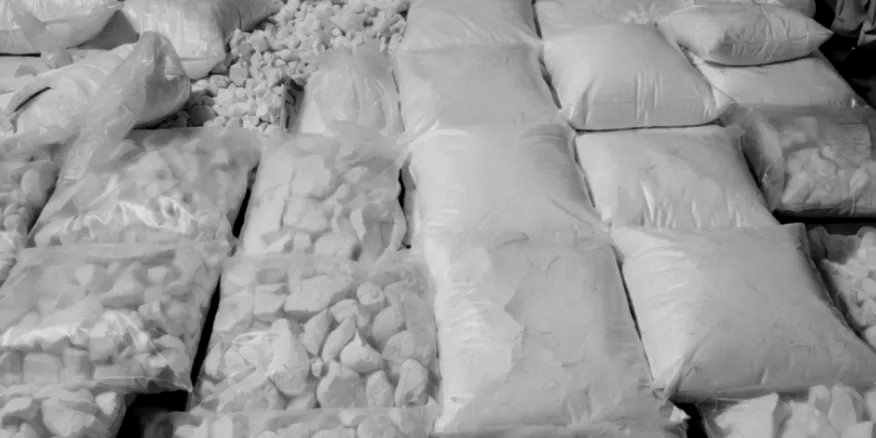
Cannabis and opium-based substances accounted for the majority of narcotics seized across India in 2024, with enforcement agencies confiscating more than 9.42 lakh kilograms of drugs under the NDPS Act, according to data released by the National Crime Records Bureau.
Cannabis-related substances formed the largest share of the seizures, with authorities recovering around 5.37 lakh kilograms , including more than 5.07 lakh kilograms of ganja . Enforcement agencies also reported destroying nearly 27.38 lakh cannabis plants during anti-drug operations conducted across multiple states.
Opium derivatives ranked second, with seizures touching 3.69 lakh kilograms . Of this, poppy husk accounted for 3.46 lakh kilograms , indicating its continued circulation in illegal markets. Agencies also seized 3,587 kilograms of heroin , including brown sugar and smack.
Synthetic and psychotropic drugs were also recovered in significant quantities. Officials confiscated more than 6,300 kilograms of amphetamine and methamphetamine , along with 424 kilograms of MDMA and smaller quantities of LSD and ketamine . Cocaine seizures stood at 1,317 kilograms .
The data also highlighted growing misuse of pharmaceutical drugs. Enforcement agencies seized over 4.04 crore tablets and capsules and 8.54 lakh litres of liquid formulations , including codeine-based cough syrups.
Among the states, Maharashtra recorded some of the highest drug seizures, with major recoveries reported from Mumbai and Pune . Northeastern states such as Mizoram also witnessed significant heroin and methamphetamine seizures because of their proximity to the “Golden Triangle” a notorious drug-producing region spanning parts of Myanmar, Laos, and Thailand, long considered one of the world’s largest hubs for opium and synthetic narcotics trafficking. The porous borders in the Northeast have made the region a key transit route for illegal drugs entering India.
Smaller states and Union Territories reported comparatively lower seizure volumes, though officials said trafficking patterns continue to evolve across regions.