
Canada At UNGA: Renewed India Ties, Multilateralism And Tough Iran Stand
Canada used the 81st UN General Assembly in New York to underline its push for renewed partnerships with major economies including India and China, strengthen multilateral institutions and take a tougher position on Iran, which Foreign Minister Anita Anand described as the principal threat to peace and security in its region.
Addressing the UNGA General Debate on September 26, Anand said Canada was seeking greater strategic autonomy by diversifying its economic and diplomatic relationships. Ottawa aims to catalyse a trillion dollars in investment over the next five years and is exploring opportunities across the Indo-Pacific, Gulf and Latin America, including renewed partnerships with India and China.
Anand also highlighted Canada's new Partners for Multilateralism initiative, launched with international partners to push for reforms that make the United Nations and other multilateral institutions more representative, effective and trusted. India co-sponsored the inaugural summit, with External Affairs Minister S Jaishankar co-chairing the meeting alongside leaders and ministers from Australia, Barbados, Brazil, Canada and Kenya.
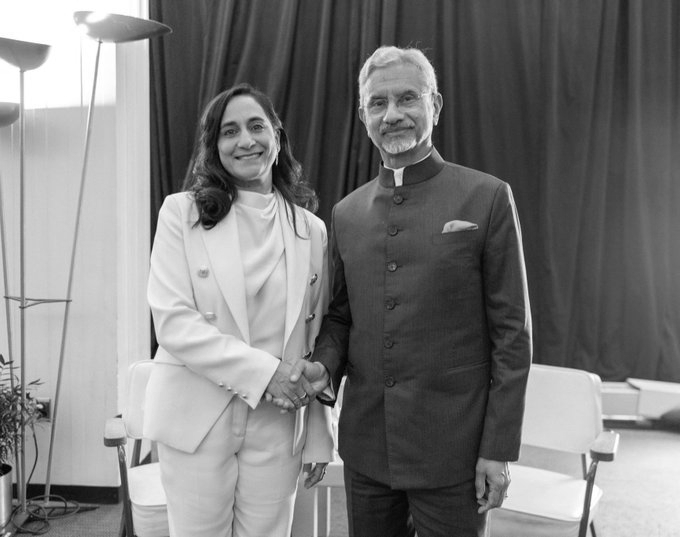
The renewed India engagement comes amid a broader improvement in bilateral ties. Anand and Jaishankar held what Jaishankar described as a productive discussion on the margins of the UNGA as the two countries prepare to take their relationship to a higher level. Canada and India have also committed to concluding negotiations for a Comprehensive Economic Partnership Agreement by the end of 2026, with a goal of more than doubling bilateral trade to CAD 70 billion by 2030.
Canadian Prime Minister Mark Carney has said Prime Minister Narendra Modi is expected to visit Canada around December, although the precise date has not been announced. The potential visit would come as Ottawa and New Delhi work to deepen cooperation in trade, investment, energy, critical minerals, technology and other areas.
At the same time, Canada used the UNGA to sharpen its position on Iran. Anand said Tehran must never acquire a nuclear weapon and accused it of threatening navigation rights in the Strait of Hormuz, calling those actions an affront to international law. She said Canada was using targeted sanctions and other measures against the Iranian regime.
On September 23, Canada announced sanctions against five Iranian individuals and five entities over what Ottawa described as serious human rights violations, including digital surveillance, censorship, arbitrary detention and suppression of dissent. Canada also said it would again lead the UN General Assembly resolution on human rights in Iran, a role it has held since 2003.
Anand said Canada would continue building issue-based coalitions to respond to global challenges, arguing that cooperation among countries was essential at a time of growing pressure on the international order. Ottawa's UNGA message therefore combined a push for UN reform, economic diversification, closer ties with India and other partners, and a firm stance on conflicts and security threats.