
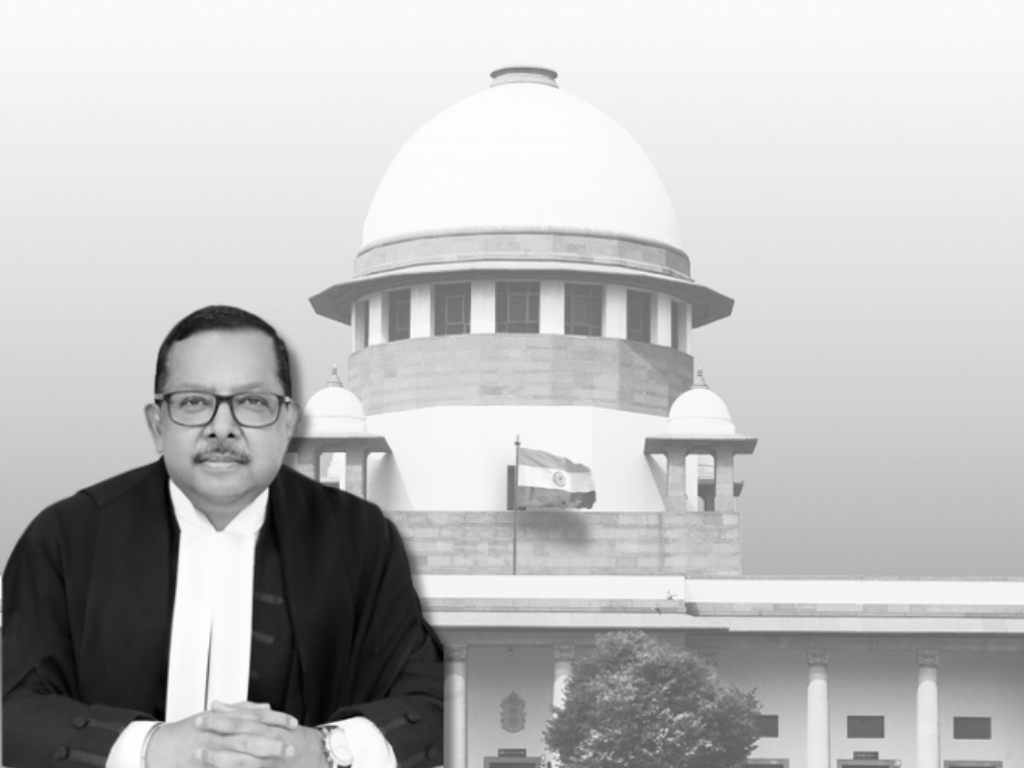
Can Universities Punish Students for Asking Questions? What the Constitution Says
Justice Ujjal Bhuyan’s remarks on Sunday have put the spotlight on a question central to university life: how far can institutions go in disciplining students for what they say, question or protest?
Speaking at the 13th convocation of National Law University, Delhi, Justice Bhuyan said students expressing different views or asking questions cannot be threatened with punitive action, calling such conduct unconstitutional and a misuse of power. He said universities must be spaces where established positions are examined, disagreements are addressed through reason.
The constitutional foundation is Article 19(1)(a), which guarantees citizens freedom of speech and expression. Students therefore have protection for questioning authority, criticising policies, expressing unpopular opinions and participating in peaceful debate. Articles 19(1)(b) and 19(1)(c) additionally protect peaceful assembly and association, subject to constitutional limits.
Courts, however, have drawn an important line between protected dissent and disruptive conduct. The Kerala High Court has recognised students’ rights to express criticism and dissent, while also holding that these freedoms cannot be used to prevent others from attending classes or pursuing education.
In earlier litigation concerning political activity on campuses, courts have also accepted that institutions may impose reasonable regulations on demonstrations, meetings and political activities when necessary to maintain academic discipline. Such restrictions, however, cannot become a blanket prohibition on constitutional expression.
Article 19(2) permits reasonable restrictions on speech only on specified grounds, including public order, security of the State, defamation, contempt of court, decency or morality, sovereignty and integrity of India, and incitement to an offence. Restrictions must therefore have a lawful basis and cannot rest merely on an authority’s dislike of a viewpoint.
The broader judicial principle is one of constitutional balance. Universities have interests in maintaining safety, discipline, while students retain rights to thought, expression, peaceful protest and dissent.
Justice Bhuyan’s intervention reinforces that distinction: asking a difficult question is not misconduct merely because the question is inconvenient. Disciplinary action becomes constitutionally vulnerable when it targets an opinion rather than unlawful, threatening or seriously disruptive conduct.